
Overview

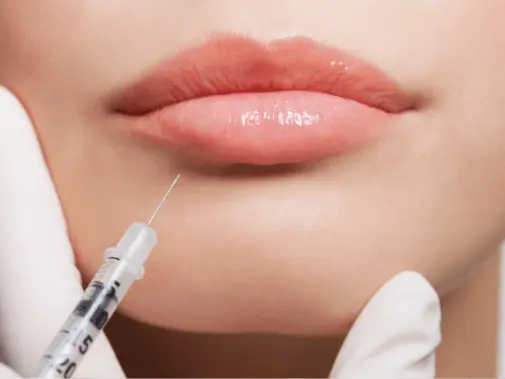
Dermal fillers can be used to define, sculpt, and contour the lower face. They can sharpen a soft or sagging jawline, correct asymmetry, improve facial balance, and in some cases soften the early appearance of jowls.

As we age and lose collagen, elastin, and bone support, the lower face can begin to look less defined. This may show as a “blurring” of the jawline, sagging around the jowls, and a heavier lower face. Jawline filler treatment uses carefully placed dermal fillers to restore structure and definition, helping to create a more youthful, balanced profile.

When performed safely by a qualified practitioner, a jawline filler treatment is a non-surgical way to achieve a more sculpted jawline and refreshed lower face.

Jawline filler is a treatment that uses injectable dermal fillers to add structure, definition, and support to the jawline and surrounding areas.

The fillers are usually a gel-like substance made from hyaluronic acid. This is a naturally occurring sugar found in the body that helps keep skin hydrated and plump. For jawline contouring, firmer “lifting” or “structural” fillers are often used, as these are designed to hold shape and support the tissues.

Jawline filler can:

  • Sharpen a weak or soft jawline
  • Create a more defined angle at the back of the jaw
  • Improve the transition between the jawline and neck
  • Help disguise early jowls by restoring structure
  • Balance facial proportions or asymmetry, especially in profile

It’s important that jawline filler is carried out legitimately by an appropriately qualified, insured healthcare professional using licensed products sourced from reputable UK pharmacies.

Jawline fillers focus on the lower third of the face, typically targeting:

  • Jaw angle: to enhance or define the “corner” at the back of the jaw
  • Jawline: to straighten and sharpen the line from the jaw angle to the chin
  • Pre-jowl area: to smooth and support areas where a sagging jawline or early jowling appears
  • Chin: often treated alongside the jawline to refine shape and profile

Jawline filler is frequently combined with other treatments such as chin and jawline filler, cheek filler, or mid-face filler as part of overall facial contouring. Your practitioner will advise which areas are appropriate for you after a full assessment.

The jawline filler cost will vary depending on:

  • How much filler is required (often measured by the syringe)
  • The experience and qualifications of your practitioner
  • The clinic location
  • Whether other areas are treated at the same time, such as chin and jawline filler

As a general guide, jawline filler treatments in the UK commonly start from around £300–£400. This can increase depending on the complexity of the treatment and volume of product used.

You should always be cautious of heavily discounted prices or “bargain” packages promoted online or via social media. These can indicate the use of unlicensed/counterfeit products or an unregistered or poorly trained injector, including someone who has inadequate insurance or lack of proper standards.

To protect your safety and achieve reliable results, always choose a reputable, accredited practitioner.

Jawline filler longevity depends on the type of product used, how much is injected, and individual factors such as your metabolism and lifestyle.

Results are usually visible immediately, although they refine over 1–2 weeks as swelling settles. The effects of jawline fillers often last between 6–12months, and in some cases longer.

Your practitioner will advise you on what to expect based on the specific filler used and your individual treatment plan.

Recovery time after jawline filler treatment is usually minimal, and most people can go back to normal daily activities shortly after treatment.

Common aftercare advice includes:

  • Expect some swelling, tenderness, or bruising – this may be more noticeable the day after treatment
  • Avoid makeup on the treated area for at least 12 hours
  • Avoid alcohol, vigorous exercise, saunas, steam rooms, and sunbathing for at least 24–48 hours (or as advised by your practitioner)
  • Avoid extreme hot or cold weather conditions for a few days
  • Try not to touch or massage the treated area unless your practitioner advises you to

If you notice severe pain, increasing redness or swelling, white or blue discolouration of the skin, visual changes, or any symptoms that concern you, contact your practitioner immediately or seek urgent medical advice.

All cosmetic treatments carry a degree of risk. Jawline filler involves injections near important blood vessels and nerves, so it must only be performed by a healthcare professional with appropriate training in facial anatomy and complication management.

Potential side effects include:

  • Redness
  • Swelling
  • Bruising
  • Itching
  • Tenderness

These are usually mild and temporary, resolving within a few days to 2 weeks.

More serious but less common risks include:

  • Infection
  • Lumps or nodules
  • Prolonged swelling or asymmetry
  • Vascular occlusion (when filler blocks or compresses a blood vessel), which can lead to skin damage if not treated promptly
  • Very rarely, more serious complications such as tissue necrosis or visual disturbance

All risks and possible complications should be discussed with you at consultation, before any treatment is agreed.

Jawline fillers should always be administered by a healthcare professional with specialist training. You can find one by searching through Save Face.

Jawline filler injections are generally well tolerated.

Most leading brands of filler used for jawline contouring contain a local anaesthetic (such as lidocaine). Most clinicians will also use topical anaesthetic cream or ice to numb the skin.

You may feel some pressure or a stinging sensation during the injections and some tenderness afterwards, but the procedure should not be excessively painful. If you’re worried about discomfort, discuss this with your practitioner before treatment.

A full medical history and face-to-face assessment with your practitioner is essential before deciding if jawline filler is suitable for you.

Jawline fillers may not be recommended if:

  • You have any active skin infection in or near the treatment area, or are generally unwell
  • You have previously had an allergic reaction to dermal fillers or local anaesthetics
  • You are pregnant or breastfeeding
  • You have certain medical conditions, bleeding disorders, or are taking medicines that affect bleeding (such as aspirin or warfarin)
  • You are taking steroids or have an autoimmune disease
  • You have a poorly controlled medical condition
  • You are currently using, or have recently completed, a course of Roaccutane (Isotretinoin) in the last 18 months

Take caution with the following:

  • Injections on the face can sometimes trigger the cold sore virus. If you are prone to cold sores, you must tell your clinician in advance.
  • Inform your practitioner if you have recently had any other dermal filler treatments.
  • If you have an important event coming up, remember that bruising or swelling can occur and may take time to settle.
  • Some over-the-counter medicines and supplements, as well as alcohol, can increase the risk of bruising. These are often best avoided the day before and after treatment, as advised by your practitioner.
  • Vigorous exercise, sun exposure, sunbeds, and saunas should be avoided for 48 hours, or as advised by your clinician.
  • Safety has not been established for those with a history of keloid scarring.

If you’ve had jawline filler and are worried about symptoms you weren’t expecting or unhappy with your results, contact your practitioner for advice. If necessary, they will arrange to see you for review.

Finding a safe, appropriately qualified practitioner doesn’t have to be daunting.

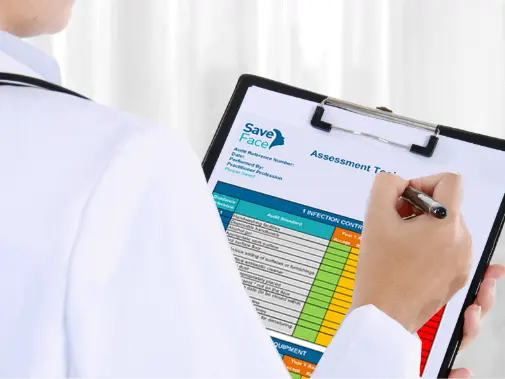
At Save Face, every practitioner listed on our register has successfully passed our robust 116-point assessment, which confirms that:

  • They are who they say they are
  • They are a registered nurse/midwife, doctor, dentist, or prescribing pharmacist with specialist training and insurance for each treatment listed on their profile
  • They use licensed products sourced from reputable suppliers
  • They have all the necessary policies, procedures, and paperwork in place to protect you from undue risk and harm
  • Their clinic environment is safe, clean, and hygienic

Click here to find your nearest Save Face accredited practitioner offering jawline filler.

Subscribe to our newsletter to receive the latest news & updates