
Overview

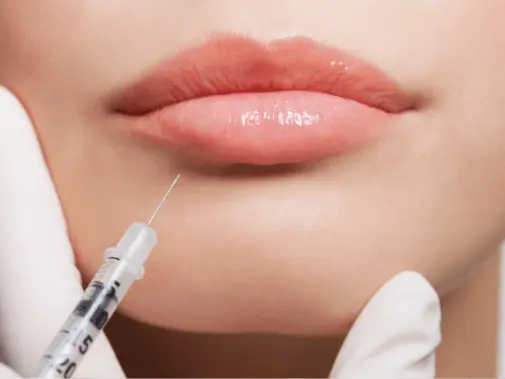
A hyaluronic acid facial injection, or skin booster, is an injectable treatment designed to deeply hydrate the skin, refine pores and fine lines, and restore a healthy radiance. Unlike traditional dermal fillers, which are used to add volume or structure, a skin booster focuses on improving overall skin quality to help it appear smoother and more radiant.

As we age, levels of hyaluronic acid, collagen and elastin in the skin decline. This can lead to dryness, fine lines, dullness and a crepey appearance, especially on the face, neck, and hands. Skin boosters use very soft, hydrating gels – often based on hyaluronic acid – to replenish moisture from within and support healthy skin cell function.

Skin booster treatments are a non-surgical way to target early signs of ageing, dryness and dullness, delivering natural-looking, subtle rejuvenation.

Skin boosters are typically made with Hyaluronic Acid (HA). HA is a naturally occurring substance that attracts and holds water in the skin and provides the environment needed for healthy cell communication. It is HA that contributes to the radiance and ‘bounce’ that younger skin has. As we age, hyaluronic acid in the skin depletes, just like collagen and elastin.

While HA is a popular ingredient in skincare to bind water to the skin, the molecules are too large to penetrate the skin. Hyaluronic acid facial injections are therefore specially formulated for injection into the skin. In doing so, they deliver super hydration and support healthy cell communication to promote improved skin quality.

Unlike thicker HA fillers used to sculpt cheeks or lips, skin boosters:

  • Are much softer and more fluid
  • Are placed more superficially into the skin
  • Aim to hydrate, smooth and improve texture, rather than add volume or change shape

Depending on the brand, some skin boosters may also contain:

  • Amino acids
  • Antioxidants
  • Vitamins
  • Other bio-stimulating ingredients

These can help support collagen and elastin production and improve overall skin quality.

All skin booster treatments must be administered by an appropriately qualified, insured healthcare professional using licensed products from reputable UK pharmacies.

Hyaluronic acid facial injections, or skin boosters, can be used on a variety of areas to improve hydration and skin quality. Common treatment areas include:

  • Face: to improve fine lines, dullness, and skin texture
  • Cheeks and lower face: to soften crepiness and boost glow
  • Perioral area (around the mouth): for “barcode” lines and dryness
  • Neck: to reduce crepey skin and fine lines
  • Décolletage (chest): to improve sun-damaged or crepey skin
  • Hands: to hydrate and soften thin, aged-looking skin

Some practitioners may also use skin boosters on:

  • Upper arms
  • Knees
  • Other areas of crepey or sun-damaged skin

Your practitioner will advise on the best skin boosters and treatment areas for you based on your skin, concerns, and the specific product being used.

The cost of skin booster treatment varies depending on:

  • The brand and type of product used
  • How many syringes/vials are needed
  • Whether treatment is part of a course (e.g. 2–3 sessions)
  • The practitioner’s experience and clinic location

As a general guide in the UK:

  • Single session pricing often starts from around £200–£300
  • Typical skin booster treatment courses (e.g. 2–3 sessions spaced 2–4 weeks apart) may total £400–£900 or more, depending on the product and areas treated

Be cautious of very low prices or heavily discounted “deals” online or on social media. These may indicate the use of unlicensed or counterfeit products, treatment by unqualified or poorly trained injectors, or inadequate hygiene, safety or insurance.

Always prioritise practitioner qualifications, product quality and safety over cost.

Skin boosters work both by providing immediate hydration in the superficial layers of the skin, and stimulating longer-term improvements in texture and elasticity.

Longevity will depend on:

  • The specific product used
  • Your skin type, age and lifestyle
  • Whether you complete a recommended course of treatments

Typical development of effects happens on the following timeline:

  • You may see an initial glow or hydration boost within days to a couple of weeks
  • Optimal results are usually seen after a course of 2–3 treatments, spaced a few weeks apart
  • Improvements can last around six months, sometimes longer. After this, maintenance is recommended every six months or as required.

Your practitioner will recommend a personalised plan and advise how often top-up treatments may be required to maintain results.

Downtime after skin booster treatment is usually minimal. Make-up can be worn the next day. 

Common aftercare advice includes:

  • Expect small bumps or papules at injection points, redness, or mild swelling. These usually settle within 24–72 hours
  • Avoid makeup on the treated area for at least 12 hours (or as advised by your practitioner)
  • Avoid alcohol, vigorous exercise, saunas, steam rooms, and sunbathing for 24–48 hours
  • Protect the treated area from excessive heat or cold for a few days
  • Use gentle skincare and daily broad-spectrum SPF
  • Bruising can sometimes occur and may take a few days to resolve.

If you experience increasing pain, extensive redness, warmth, or any unexpected symptoms, contact your practitioner promptly.

All injectable treatments carry some risk, even when performed by qualified professionals. Skin booster side effects can occur, although skin boosters are generally considered safe when:

  • Appropriate patients are selected
  • Licensed products are used
  • Treatment is carried out by an experienced, medically qualified practitioner

Common, usually mild and short-lived skin booster side effects include:

  • Redness
  • Swelling
  • Small injection bumps or papules
  • Bruising
  • Tenderness or itching at the injection sites

These typically resolve within a few days.

Less common but more serious complications may include:

  • Infection
  • Prolonged swelling or lumps
  • Inflammatory reactions
  • Very rarely, vascular complications if the product is inadvertently injected into a blood vessel (risk is lower here than with deeper volumising fillers, but still present)

All risks and possible complications should be discussed with you during your consultation, before you agree to treatment.

Skin boosters should only be administered by a healthcare professional with specialist training. You can find one by searching through Save Face.

Most people find skin booster injections uncomfortable rather than painful.

To improve comfort, your practitioner may:

  • Apply a topical anaesthetic cream before treatment
  • Use products that contain a local anaesthetic (such as lidocaine)
  • Use fine needles or cannulas and specific techniques to minimise discomfort

You may feel a scratching, stinging, or slight pressure sensation during skin booster injections, and some tenderness afterwards. Any discomfort is usually short-lived.

If you’re concerned about pain or have had issues tolerating injections before, discuss this with your practitioner so they can adapt your treatment plan.

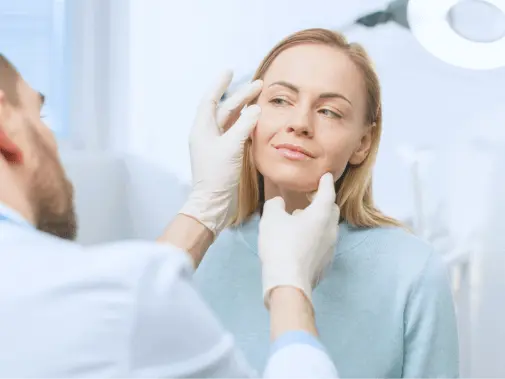
A full consultation and medical history with your practitioner is essential before having a skin booster treatment.

Skin boosters may be suitable if you:

  • Have dull, dehydrated, or crepey skin
  • Notice fine lines and early signs of ageing
  • Want to improve skin quality and glow rather than change facial shape
  • Prefer subtle, natural-looking results

You may not be suitable if:

  • You have an active skin infection, rash or cold sore in the treatment area
  • You are pregnant or breastfeeding
  • You have a known allergy or sensitivity to any of the product ingredients (e.g. hyaluronic acid, lidocaine, or other components)
  • You have certain medical conditions, autoimmune diseases, or are on medicines that make treatment unsafe (your practitioner will discuss this)
  • You have a history of severe allergic reactions or anaphylaxis to injectables

Take caution with the following:

  • Facial injections can sometimes trigger the cold sore virus. If you are prone to cold sores, tell your practitioner before treatment.
  • Inform your practitioner about any previous dermal filler or injectable treatments in the area.
  • If you have an important event, remember that bruising or swelling can occur and may take time to settle.
  • Some over-the-counter medicines, supplements and alcohol can increase bruising and are often best avoided before and after treatment, as advised by your clinician.
  • Safety has not been fully established for people with a history of keloid scarring.

If you’ve had a skin booster treatment and you develop symptoms that worry you or are unhappy with any aspect of your results, contact your practitioner promptly.

Finding a safe, appropriately qualified practitioner is crucial for any injectable treatment, including skin boosters.

At Save Face, every practitioner listed on our register has successfully passed our rigorous 116-point assessment, which confirms that:

  • They are who they say they are
  • They are a registered nurse/midwife, doctor, dentist, or prescribing pharmacist with specialist training and insurance for each treatment listed on their profile
  • They use licensed products sourced from reputable, regulated suppliers
  • They have robust policies, protocols and paperwork in place to protect you from undue risk and harm
  • Their clinic is safe, clean and hygienic

Click here to find your nearest Save Face accredited practitioner offering skin booster treatments. Your safety and the quality of your results should always come first.

Subscribe to our newsletter to receive the latest news & updates