

The Future Face of Beauty: Top Aesthetic Trends to Watch in 2026
If the last decade of aesthetics was defined by volume -big lips, sharp contours, and visible enhancements - 2026 is officially the year of value.
As we transition into a more sophisticated era of medical aesthetics, the ‘overfilled’ look is being left in the past. In its place is a new philosophy centered on skin health, longevity, and intelligent ageing. However, with new technologies come new responsibilities for patients to stay informed.
From bio-hacking your collagen to the arrival of stricter UK regulations, here is your essential, safety-first guide to the aesthetic treatment trends defining 2026.
1. The Regenerative Revolution: Bio-Stimulation Over Fillers
The biggest shift in 2026 is the move away from using Hyaluronic Acid (HA) fillers solely for volume, towards regenerative medicine. Patients are asking for treatments that make their skin work harder, rather than just filling a gap.
What are Polynucleotides?
A standout star of 2026, Polynucleotides are injectable bio-stimulators derived from filtered DNA fractions. Unlike fillers, they do not add artificial volume. Instead, they communicate with your cells (fibroblasts) to jumpstart the production of your own collagen and elastin. They are particularly popular for treating difficult areas like dark circles and crepey skin under the eyes.
The Rise of Exosomes
While still an emerging field, interest in Exosomes is skyrocketing. These act as messengers between cells, signaling tired tissue to repair and rejuvenate.
Exosome therapy is a cutting-edge field with complex regulatory requirements in the UK. Ensure your practitioner explains the source and approval status of any biological product.
2. Quiet Luxury and High-Fidelity Results
The ‘Instagram Face’ - characterised by exaggerated jawlines and identical features - has seen a sharp decline. The trend for 2026 is High-Fidelity Aesthetics.
The goal is distinct: undetectability. Patients are seeking ‘micro-treatments’ or ‘sprinkles’ of toxin and skin boosters that maintain facial mobility. The focus is on skin quality, texture, bounce, and glow, rather than altering facial structure. This aligns with the quiet luxury fashion trend: expensive maintenance that looks effortless.
3. Stacking Treatments (Combination Therapies)
Why choose one when you can combine for better results? In 2026, the best clinics are moving away from single-fix appointments toward Treatment Stacking.
By layering different modalities, practitioners can target multiple tissue depths simultaneously:
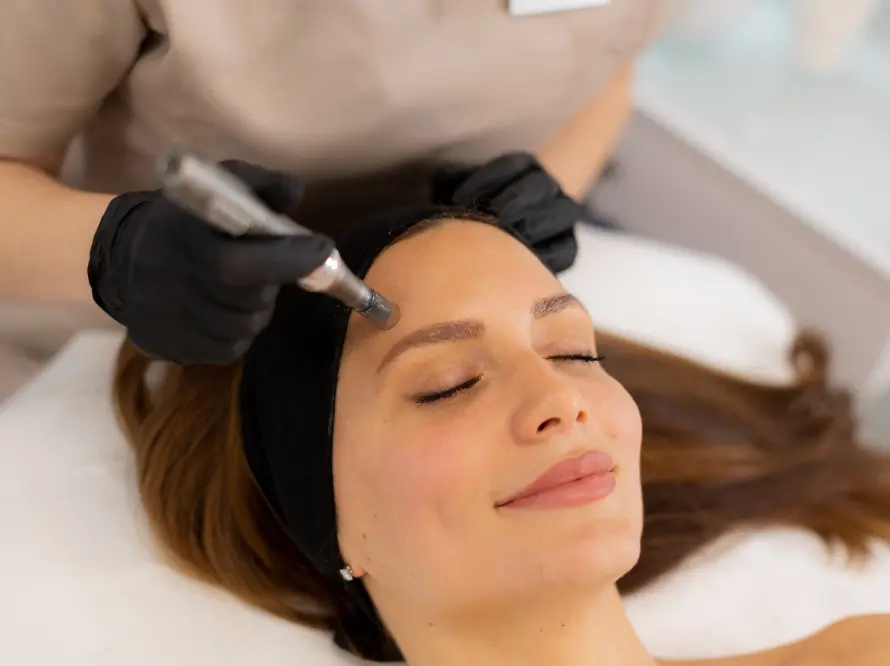
- Surface: RF Microneedling or Lasers for texture.
- Deep Tissue: Bio-stimulators or Ultrasound for structural lift.
This holistic ecosystem approach often yields more harmonious, natural-looking results than heavy filler use.
4. AI-Powered Personalisation
Artificial Intelligence is not just for writing emails; it is revolutionising aesthetic consultations. Expect to see more clinics using AI-driven diagnostic tools in 2026.
These scanners look below the skin's surface to measure sun damage, vascularity, and collagen density. This data allows practitioners to create a mathematically tailored treatment plan unique to your biology, removing the guesswork and cookie-cutter approaches.
5. Regulation and Patient Safety
While new treatments are exciting, the most critical trend of 2026 is the landscape of patient safety in the UK.
The industry is on the verge of becoming more regulated. In 2026, the government will initiate a consultation to ensure that high-risk procedures like liquid BBLs are performed only by regulated healthcare professionals. This development follows a two-year campaign led by Save Face, advocating for such critical action.
Why this matters now: As treatments become more medical (such as regenerative injections), the risk of complications in untrained hands increases. The era of the unaccountable practitioner is ending.
Frequently Asked Questions (FAQ)
What is the most popular anti-ageing treatment for 2026?
Regenerative treatments like Polynucleotides and advanced skin boosters are trending heavily for 2026, as patients prioritise skin quality and natural collagen production and subtle volumisation using hyaluronic acid dermal fillers.
Are Polynucleotides safer than dermal fillers?
Polynucleotides carry different risks to fillers. While they generally have a lower risk of vascular occlusion (blocking blood vessels) compared to fillers, they are still medical injectables. They should be administered by a medically qualified practitioner to avoid infection and ensure correct placement.
How do I find a safe practitioner for new trends?
Always use a government-approved register. You can search for accredited doctors, nurses, dentists, and pharmacists using the Save Face register.
Your 2026 Safety Checklist
If you are considering tapping into these new trends, remember the Save Face mantra. Don't leave your face to chance.
- Check the Person: Are they a healthcare professional?
- Check the Register: Are they accredited by Save Face?
- Check the Facility: Is it a safe, clinical environment?
Categories
Related news articles