

The world of aesthetics is constantly evolving. Today’s focus is shifting towards natural-looking results, with a growing preference for preventive and regenerative treatments that support skin health in the long term. One concept gaining increasing attention is ‘Collagen Banking’.
While the term itself is not new, its importance within modern aesthetics has never been more relevant.
What Is Collagen?
Collagen is a vital structural protein that provides strength, elasticity and support to the skin, helping it remain firm, smooth and resilient. Beyond skin health, collagen also plays a key role in the health of hair and nails, and is found throughout the body in connective tissues such as muscles, tendons and ligaments.
As we age, our natural collagen production gradually declines. This contributes to the appearance of fine lines and wrinkles, skin laxity and a reduction in overall skin quality. By acting now to support and preserve collagen levels, we can help maintain a radiant, youthful complexion for longer and delay visible signs of ageing.
What Is Collagen Banking?
Collagen banking is a proactive approach to skin health, focusing on stimulating and preserving collagen production earlier in life to build a ‘reserve’ for the future. It reflects the longstanding philosophy that prevention is better than cure.
Ideally, collagen banking begins in your 20s or 30s, before the body’s natural collagen production starts to decline. However, as with all aesthetic treatments, collagen banking must be tailored to be age-appropriate, prioritising safety and avoiding unnecessary invasive intervention.
I’m Over 40 — Is It Too Late?
Absolutely not. It is never too late to make positive changes to your skin’s health. While collagen loss cannot be fully reversed, collagen banking can help slow further breakdown and improve skin quality, texture and resilience.
That said, choosing safe, effective and clinically approved products is essential. The aesthetics market and social media are saturated with supplements and treatments, but not all are regulated, licensed or supported by evidence.
Collagen supplements can help to support the skin from the inside out, but dosage and bioavailability are key considerations. Targeted skincare ingredients such as peptides, retinol and vitamin C also play an important role, alongside hyaluronic acid to boost hydration.
Lifestyle factors significantly influence collagen degradation. Sun exposure, pollution and smoking can accelerate collagen loss, while UV radiation is a major contributor to free radical damage. Daily, year round sun protection and positive lifestyle changes - such as smoking cessation - can really help make a difference.
What Aesthetic Treatments Are Used for Collagen Banking?
Polynucleotides have been used in medical settings for many years, but their application in aesthetics is relatively recent. Commonly derived from highly purified salmon DNA fractions, these treatments are designed to stimulate your body’s own regenerative processes.
Rather than adding volume and hydration like traditional fillers, polynucleotides encourage natural collagen and elastin production, improving overall skin quality in the longer term. They are particularly effective for delicate areas such as the under-eyes and neck.
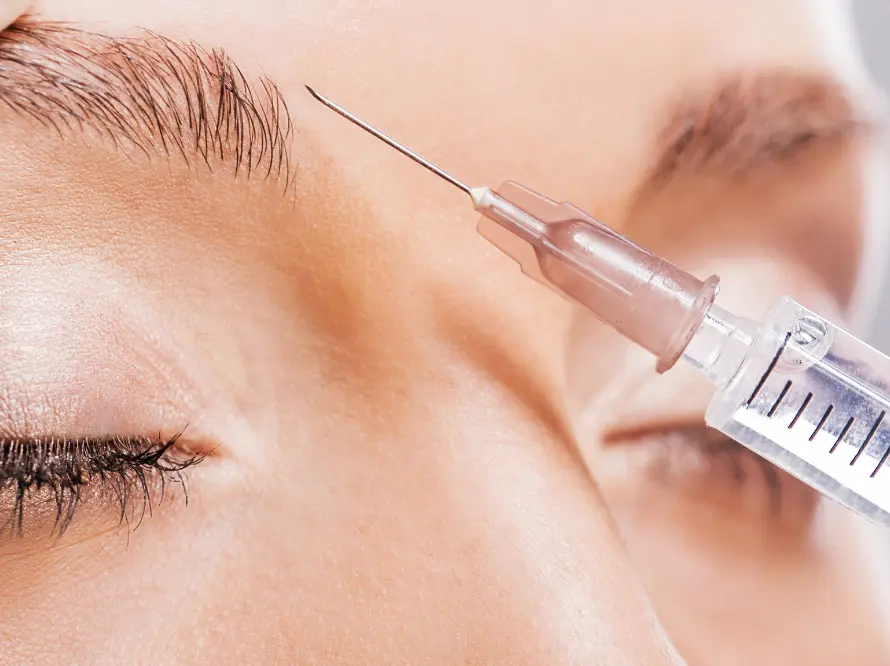
Combination injectable treatments are also available, pairing polynucleotides with skin boosters to deliver both immediate hydration and long term collagen stimulation, which is ideal as polynucleotide results can take up to 12 weeks to develop.
Other collagen stimulating treatments may include
- Ultrasound therapy
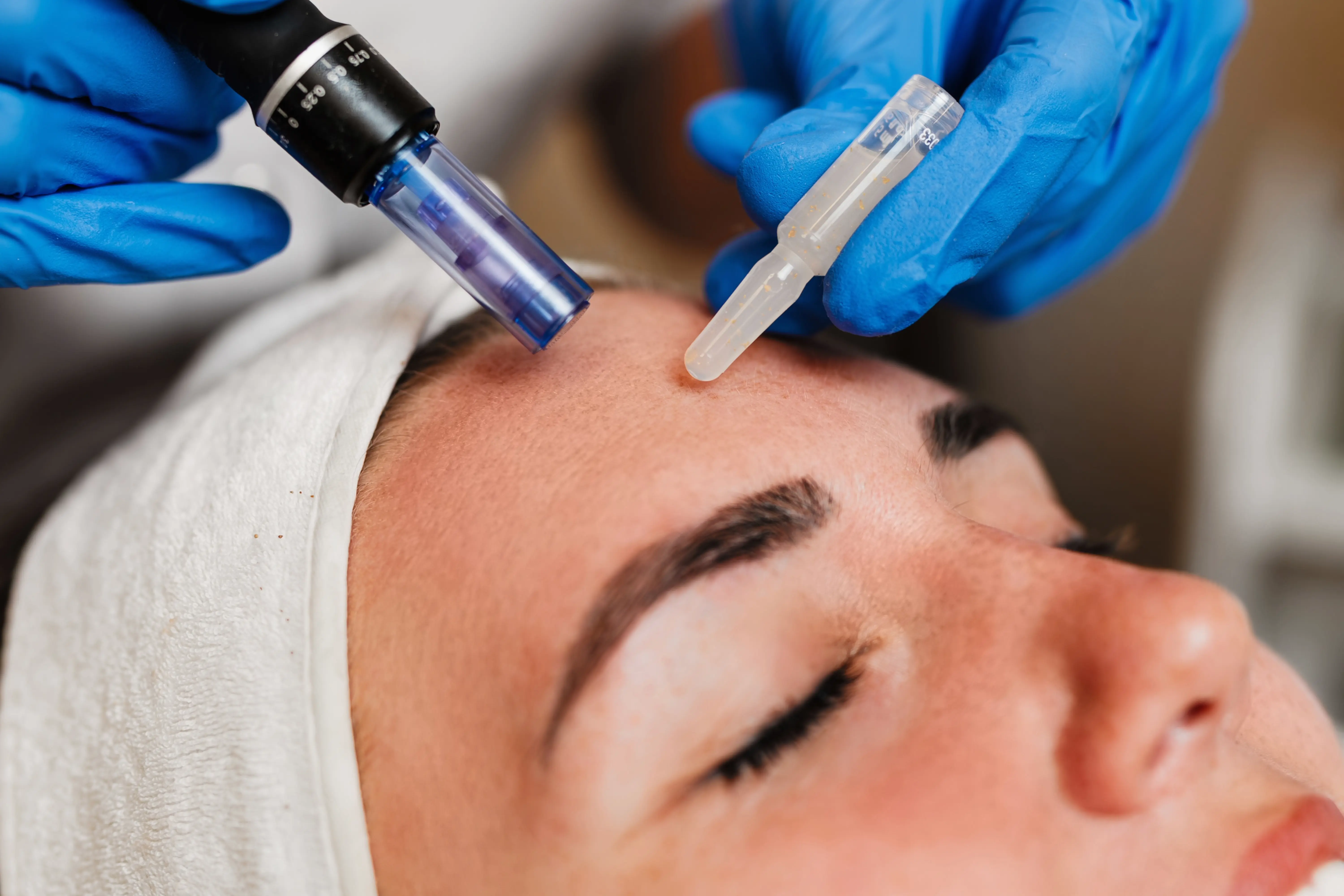
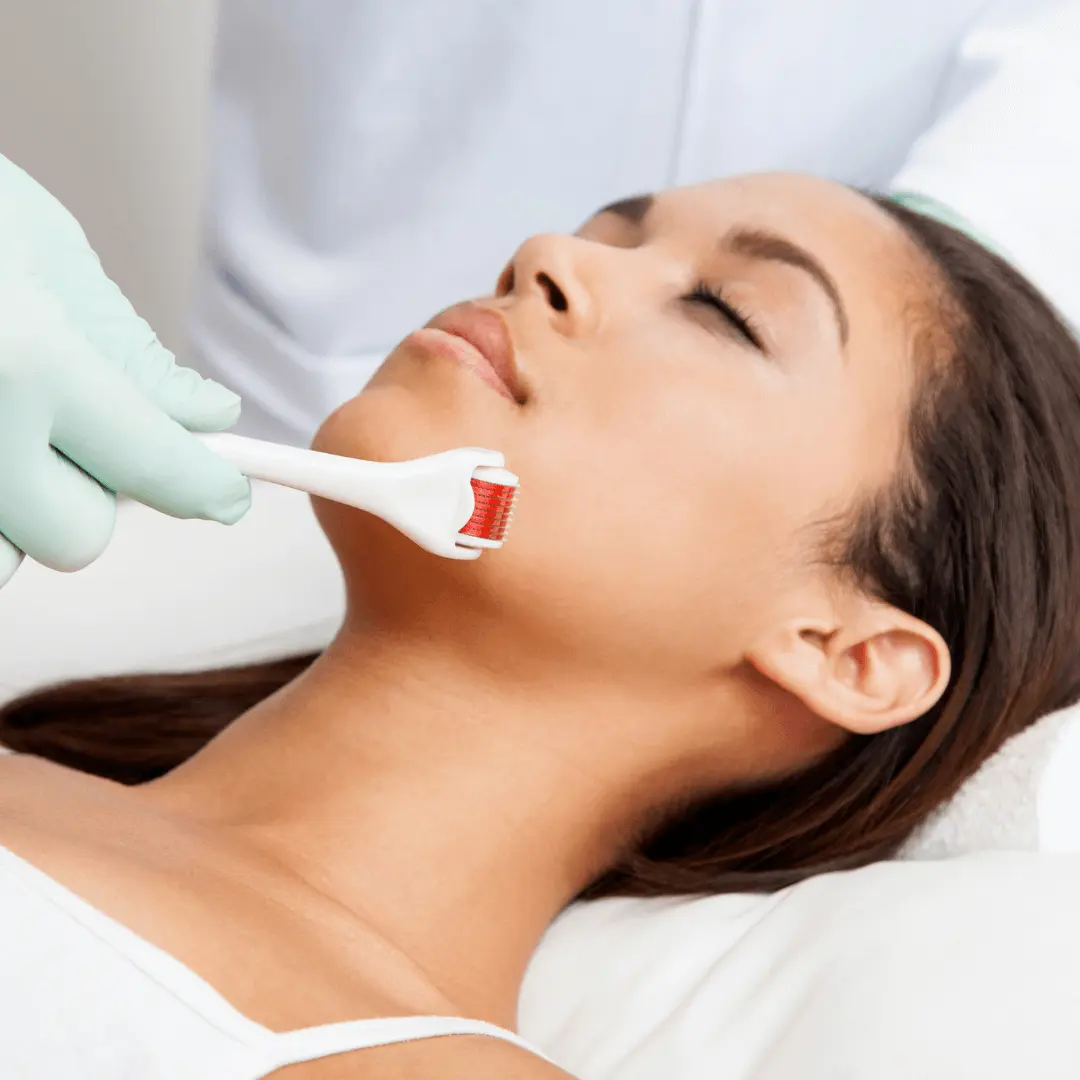
- Radiofrequency microneedling
- Mesotherapy
- PRP (Platelet-Rich Plasma)
An initial intensive treatment course is often recommended, followed by a personalised maintenance plan. In clinic treatments can be further enhanced with tailored home skincare and supplements, creating a layered, cumulative approach to skin rejuvenation.
How Can I Start Collagen Banking Now?
The best time to start is now.
Collagen stimulating treatments take time with visible results often appearing after 12 weeks or more.
Research indicates that a minimum daily intake of 2.5g of collagen is required to support healthy skin. However, not all supplements provide this level of efficacy; some collagen gummies contain as little as 150mg—over 16 times less than the recommended minimum.
For this reason, it is important to review supplement dosages carefully before investing. When in doubt, consult your aesthetic practitioner for personalised guidance to create a personalised plan that combines in clinic treatment with an effective home skincare regime helping you make proactive, long term changes to your skin health in 2026- and beyond.
Your future self will thank you!
This blog was written by Dr Heather Wilkins at Angel Aesthetics
References:
Categories
Related news articles