

Regenerative aesthetics has exploded in popularity over the last few years. If you’ve already fallen down the rabbit hole of polynucleotides, you’ve probably started seeing the next big thing on your feed: exosome facials, which promise glass skin and scarless healing.
On paper, exosomes sound like a dream. They consist of tiny bubbles that act as messengers, telling your cells to repair, regenerate, and give your skin a glowing, healthy appearance. In reality, some of the most hyped versions of this treatment carry serious hidden risks, and are being offered in ways that are not legal in the UK.
In this post, we’ll help you understand exactly what exosome therapy is, which versions are legal, and the questions you need to ask before you let anyone put these next-gen exosomes anywhere near your skin.
What is exosome therapy?
Exosomes are microscopic packets released by cells. Think of them as tiny envelopes that carry messages (proteins, lipids, and genetic material) to other cells, telling them to calm inflammation or make more collagen.
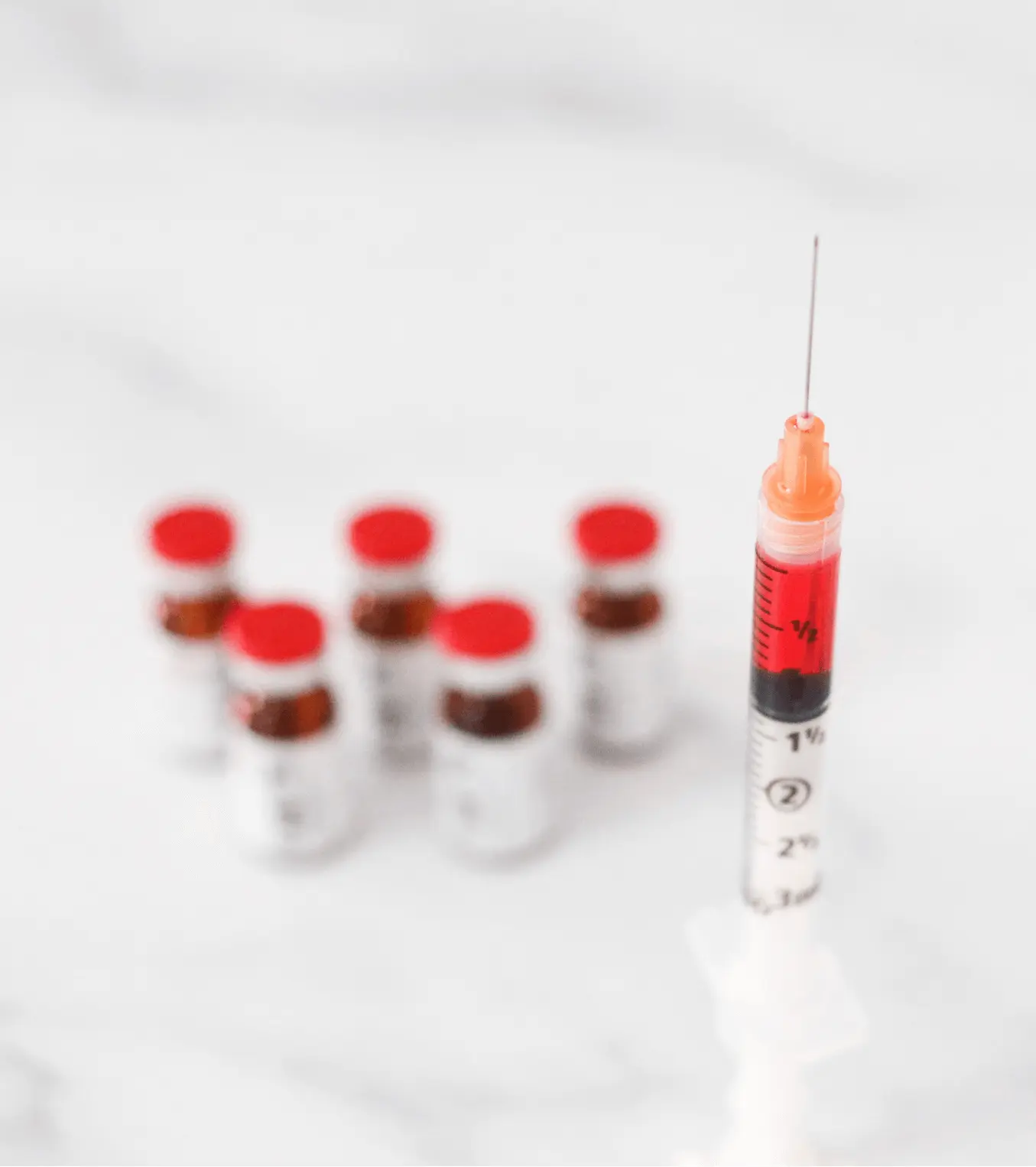
In aesthetics, exosome therapy usually refers to a regenerative injectable, but it can also come in the form of topical exosome serums. These are sometimes applied after treatments like microneedling or laser treatment to support the healing process.
Clinics often describe exosomes as working at a cellular level to improve texture, pigmentation, scarring, and elasticity. As a result, they’re now being stacked with other regenerative treatments such as polynucleotides for a ‘supercharged’ effect.
The crucial detail is what those exosomes are made from, and how they’re used.
Polynucleotides vs exosomes
If you’ve read our guide to salmon sperm skin rejuvenation, you’ll already know that polynucleotide injections use purified DNA fragments (often from salmon) to improve skin quality, hydration and healing.
When people search for polynucleotides vs exosomes, they’re usually asking which is more powerful, or which is more next-gen. A better question is, ‘which treatment is actually regulated, legal and appropriate for me?’
Polynucleotides
Used as injectable skin boosters in a medical setting, polynucleotides are derived from purified fish DNA, and have a long-standing use in wound healing and dermatology. These products must comply with medicines or device regulations when injected.
Exosomes
Alternatively, exosomes are tiny vesicles that can be derived from plants, animals or humans Topical, plant, or animal-derived cosmetic exosomes are perfectly legal in the UK when formulated correctly, and as long as they are not injected. They may be used in topical applications only.
However, human-derived exosomes and injectable exosomes are a different story, and are where the biggest dangers lie.
If you’re new to regenerative injectables and want to understand polynucleotides in more detail, you can read our full guide to salmon sperm skin rejuvenation before comparing them with exosomes.
Are human exosomes legal in UK cosmetic treatments?
The short answer: No, human-derived exosomes are not approved for cosmetic use in the UK or EU, and injectable exosome therapies have no UK marketing authorisation.
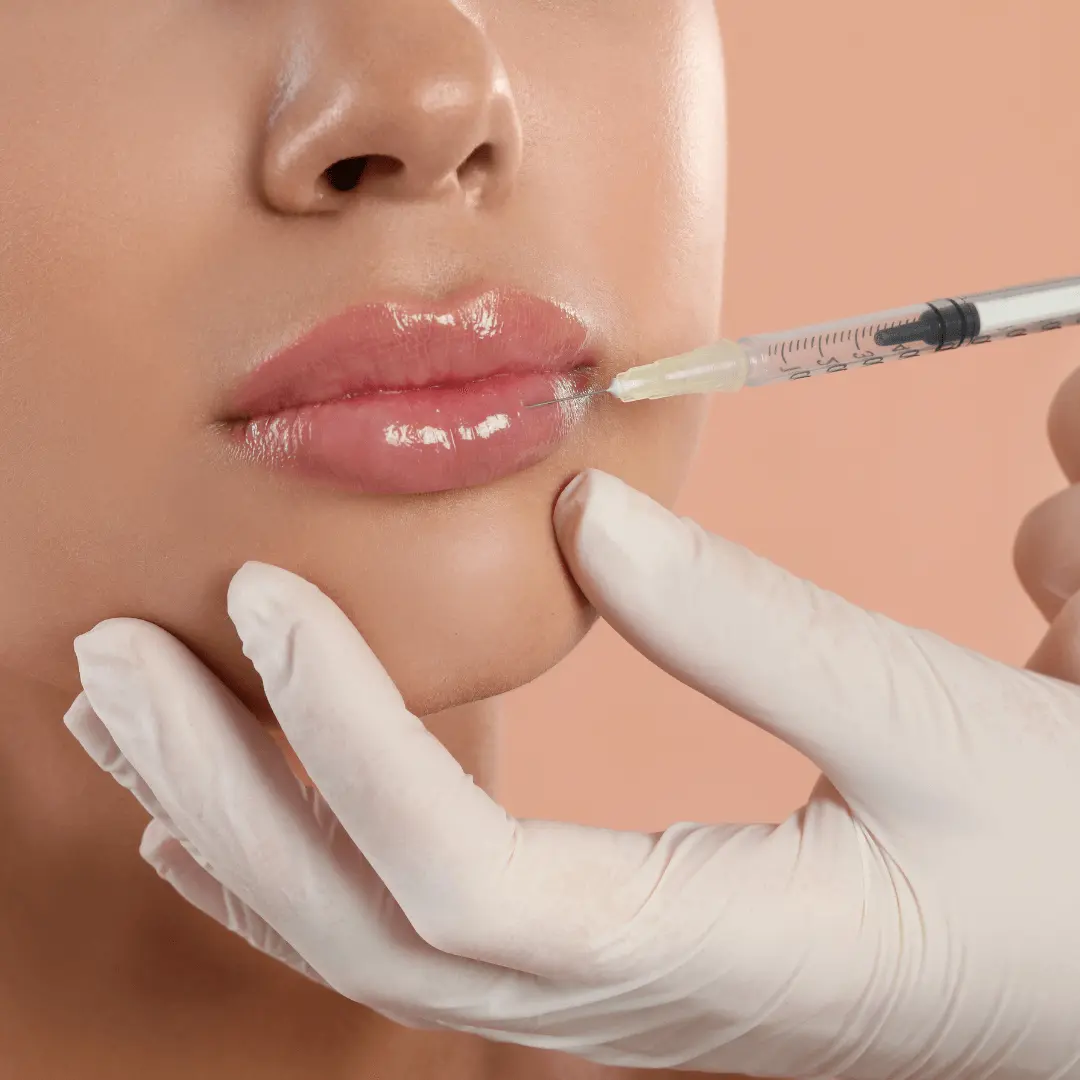
The MHRA (Medicines and Healthcare products Regulatory Agency) considers injected exosomes to be medicinal products, and cannot be used in aesthetic procedure. Injecting exosomes, whether intradermally, subcutaneously or intravenously, cannot lawfully be used in aesthetic procedures in the UK.
If you’re wondering whether human exosomes are legal in UK aesthetic treatments, the safe assumption for patients is no. If a clinic tells you the exosomes in their treatment plan are human-derived, or refers to them as ‘stem-cell exosomes from donor tissue’, then theirs is not a legal cosmetic treatment.
If someone is offering to inject exosomes, that’s an additional, very clear red flag.
Exosome therapy facial UK cost: what are you really paying for?
On social media and clinic websites, an exosome therapy facial UK cost can range from the low hundreds to £500+ per session. Many of these are sold as add-ons to microneedling or laser treatments, with the exosome element being positioned as a luxury upgrade.
You should keep in mind that with these prices:
- You’re not just paying for a serum. You’re paying for the source of the exosomes, the regulatory status of the product, and the clinic’s willingness (or otherwise) to follow UK law.
- If a clinic markets a facial using human exosomes for cosmetic rejuvenation, it is promoting a treatment that experts and regulators identify as not approved, and therefore illegal.
- A very high price does not automatically mean safety. Equally, unusually cheap exosome facials should trigger serious suspicion about what is actually being used and whether basic standards are truly being met.
Unlike a moisturiser, you can’t judge the safety of an exosome treatment by price or packaging alone. The only meaningful questions are whether the product is legal, and whether your practitioner is accountable.
Can exosome treatment reviews be trusted?
If you search for exosome treatment reviews, you’ll find plenty of glowing testimonials, influencer posts and before-and-after photos claiming instant glow and scarless healing.
On the surface, it can look reassuring, but the issue is that exosome treatment reviews rarely give the full picture. A 5-star review doesn’t reveal what was actually in the vial, whether the exosomes were plant-derived or human-derived, or whether the product was legally administered. Early results also don’t show you the potential long-term consequences of using unapproved, human-derived exosomes in cosmetic treatments.
Reviews can be useful for understanding downtime and results of a treatment. However, they’re not a feasible substitute for proper regulation, product traceability, or a conversation with practitioner who’s open about exactly what they’re using.
Plant-derived exosomes and legal regenerative skincare
Not all exosome products are the same, and of course, not all of them are illegal to use. Many legal sources are based on plant-derived exosomes or exosomes from animal sources such as bovine colostrum or fish, formulated as topical cosmetic products.
Current UK guidance suggests that plant-derived exosomes and other non-human exosomes can be used in cosmetics in the UK if they comply with cosmetic product regulations, just like any other ingredient. As long as they’ve been subjected to safety assessments, proper labelling, and appropriate (non-medical) claims, they’re fine to use in topical skincare.
However, even here, the science is still developing, and product quality can vary. But there is a crucial legal and ethical difference between a properly formulated plant-derived exosome serum used as a cosmetic, and an injectable or facial using human-derived exosomes from donor tissue that regulators have explicitly warned against.
When in doubt, ask your practitioner directly whether they’re using plant-derived exosomes. If the answer is vague, defensive or evasive, that’s your cue to walk away. To avoid the doubt, plan your treatment with a verified practitioner through Save Face’s database.
What to ask your practitioner before any exosome-based treatment
Before you agree to any treatment labelled that involves exosomes, you should consider the following questions. Remember that there’s no shame in asking your practitioner directly! If they’re a true professional, they’ll empathise with your caution and be glad to answer any concerns you bring to your appointment.
- What is the exact source of the exosomes to be used in your treatment? Be sure that they’re clear on it being plant-derived exosomes, and turn the other way if not.
- Is this product being injected or applied topically? This is a good way to catch them out, because the former is illegal. If they say it’s being injected, this is your sign to leave.
- Can I see the packaging and ingredients? A reputable clinic should be happy to show you exactly what they are using.
- What evidence is there for its safety and effectiveness? Watch for overblown claims, guarantees of “no risk”, or statements that the treatment will achieve permanent results.
- Are you independently accredited? Check whether the practitioner and clinic are listed on an independent, government-approved register such as Save Face, which audits standards of all registrants.
If any of these questions make your practitioner uncomfortable, or you feel you’re being sold a miracle without a clear explanation of risks and legality, remember that you’re under no obligation to go ahead with your treatment. You can step away from the process at any time, so ask everything you need to achieve peace of mind before getting in the chair.
Find a safe practitioner with the Save Face register
Exosomes are not inherently good or bad. Like polynucleotides and many other skincare trends, they sit at the cutting edge of regenerative medicine, and may have a valuable role in the future of skin health.
The current cause for concern is that right now, in UK aesthetics, the way exosome therapy is being marketed and delivered is often ahead of (and outside) the law. Human-derived exosomes for cosmetic use are not approved, and injectable exosomes have no MHRA authorisation. Yet, patients are being offered them in beauty clinics at premium prices, without clear information about the risks.
If you’re curious about regenerative treatments and want to explore options such as polynucleotides or legal exosome-based skincare, start with a practitioner who’s transparent, medically qualified and independently accredited.
You can use the Save Face register to find a clinic and a practitioner that meets rigorous safety standards, and avoid becoming a test subject for the latest unregulated trend. Every practitioner and clinic on the Save Face register has been independently assessed against robust safety standards, so you don’t have to rely on marketing, price, or word of mouth alone.
Categories
Related news articles