

Campaigners say cosmetics companies and retailers such as Sephora are increasingly targeting buyers under 18
Wearing pink-and-white-striped satin pyjamas and a bunny-ear headband, glamorous Italian beauty influencer Yousra confidently assured her 1.4mn TikTok followers that LVMH-owned retailer Sephora had plenty of skincare products “suitable” for tweens and young teens. “Are you a girl under 14 years old who loves going to Sephora?” she asked. “This video is definitely for you.”
Among her picks: an €8 skin serum from The Ordinary; an €18 gel moisturiser by Byoma; Laneige’s €24 lip mask, €39 hair oil from Gisou and a €26 fragrant body mist by Sol de Janeiro.
Adolescent social media influencer Nena, who has 245,000 TikTok followers, was so inspired that she made a tribute video touting those products too — with a cupboard full of stuffed animals behind her.
Italy’s competition watchdog recently opened an investigation into Sephora and LVMH’s Benefit cosmetics brand, citing concerns about the “insidious” marketing of face masks, serums and even anti-ageing creams to girls as young as 10 years old, with the help of “very young micro-influencers”.
The probe reflects European alarm at the rise in young girls who have developed unhealthy obsessions with their skin care routines — a phenomenon medical professionals have dubbed “cosmeticorexia”.
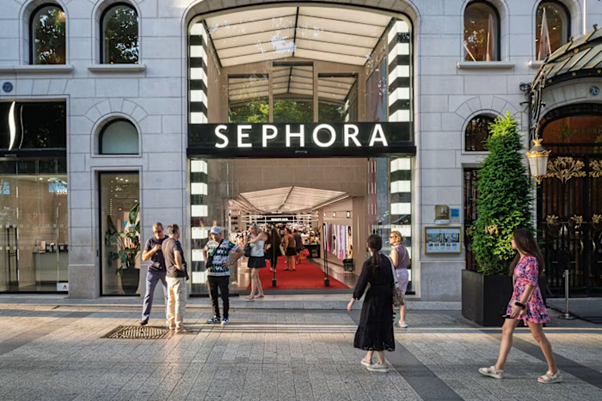
Italy’s competition watchdog opened an investigation into Sephora and LVMH’s Benefit cosmetics brand, citing concerns over marketing to girls as young as 10 © Rolf Karlsson/Alamy
“People have become unable to accept even very small flaws or defects in their image,” said psychologist Alberto Stefana, co-author of a recent medical journal article on cosmeticorexia, which it defined as “excessive, age-inappropriate or compulsive use of cosmetic products and procedures”.
“There are some young patients who don’t want to go out with friends because their skin is not perfect,” he said. “This creates a lot of problems for the development of a healthy identity.”
At the centre of many such concerns is Sephora, the innovative beauty retailer that LVMH bought in 1997. While some thought it an odd fit with the luxury powerhouse’s other higher-margin businesses such as Dior and Louis Vuitton, Sephora has since become a global beauty industry juggernaut with estimated sales of €16bn in 2025, according to HSBC.
The retailer has remained a top contributor to revenues at chair Bernard Arnault’s luxury empire during a period when sales from its core fashion, leather goods and alcohol divisions have suffered a sharp downturn.
Along with products from established brands, such as Dior Beauty and Guerlain, Sephora has proved adept at identifying promising independent beauty brands and giving them a platform from which to go viral. From Italy to the US, Sephora stores are packed with tweens and teens convinced the costly products hold the key to obtaining “flawless” skin.
LVMH declined to comment on the investigation in Italy, except to affirm that its companies comply with “all Italian regulations”.

Critics say packaging and shelf displays of brands popular with kids often appear deliberately designed to appeal to younger buyers rather than to adult consumers © David Dee Delgado/Getty Images
Yet across Europe consumer protection campaigners, medical professionals and even beauty industry reformers are calling for stricter rules on skincare companies’ sales and marketing tactics to address youthful skincare obsessions they warn are causing physical and emotional harm.
In the UK, Save Face — a register of accredited aestheticians and cosmetic surgeons — has called for legislation to restrict the sale of skin care products containing strong active ingredients, such as retinols and acids, to under-18s.
“It’s just such a toxic environment for children to be embroiled in,” said Ashton Collins, director and co-founder of Save Face, who previously led a successful campaign that prompted the UK’s 2021 ban on the use of Botox and fillers for under-18s.
Italy’s consumer association, Codacons, began petitioning authorities nearly two years ago for policies to curtail the aggressive social media marketing of cosmetic products to kids.
“There’s a social issue,” said Vincenzo Rienzi, a Codacons lawyer. “When it comes to cosmetics, the focus is on beauty. A growing child shouldn’t necessarily have to think about being prettier, slimmer, fitter with lip gloss or eye products.”
Italian dermatologist Giovanni Damiani, co-author of the paper on cosmeticorexia, said he was initially surprised three years ago by a rise in cases of contact dermatitis in girls aged 8 to 16. Many patients revealed they were using multiple skincare products, sometimes with strong, potentially damaging ingredients, such as retinol or powerful corticosteroids, marketed as “fade creams” to eradicate blemishes.

Skincare and cosmetics brands often claim that they have little or no control over viral video content generated by their enthusiastic users © Richard Baker/In Pictures via Getty Images
Damiani, who works at the University of Milan’s research centre for precision medicine and chronic inflammation, said: “I was shocked — those products cost so much, so it means the parents allow it.”
Concern about promoting skincare products to tweens and young teens first erupted in the US a couple of years ago with the emergence of self-proclaimed “Sephora kids” scouring shopping malls for trendy, luxury products — often encouraged by Generation Alpha social media influencers. The phenomenon has now spread, along with the backlash.
Skincare and cosmetics brands and their industry associations often claim that they have little or no control over viral video content generated by their enthusiastic users.
The UK’s Cosmetics, Toiletry and Perfumery Association told the FT that demand for skincare products by teens and tweens is “growing organically as a result of social media trends rather than being proactively promoted by companies and brands”.
However, critics say the packaging and shelf displays of brands popular with kids often appear deliberately designed to appeal to younger buyers rather than to adult consumers.
Collins of Save Face said brands such as Shiseido’s Drunk Elephant, the Bansk group’s Byoma and independently owned Glow Recipe “infantilise” their packaging with pastel colours and novelty-shaped bottles and dispensers.
The result is that even products with strong ingredients appear “aimed at children rather than adults”, she said. It contributes to complacency and confusion among parents, many of whom believe their young children know more about skincare than they do, Collins added. “The marketing and the packaging of these products needs to be a lot clearer.”
Byoma said its marketing and retail strategy focused on customers aged 18 to 35, who account for 85 per cent of sales. Glow Recipe did not respond to a request for comment.
UK retailer Superdrug last year opened “beauty playgrounds” at some stores where customers can test products and create social media content.
The chain denies targeting children, saying that it aims to make products more accessible and reimagine “the way our customers discover, play and connect with beauty”.
Among the wares on display at Superdrug’s “playgrounds” is independent cosmetic brand Trouble Maker, which says it targets “all ages” and whose products include lip balms containing peptides, an anti-ageing ingredient, and lip-plumping glosses packaged in teddy-bear shaped bottles.
Trouble Maker did not respond to a request for comment.
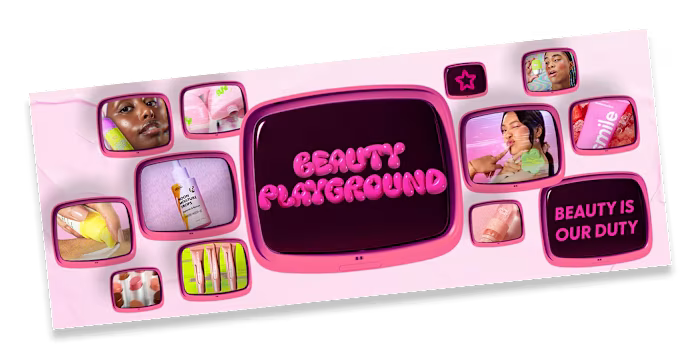
UK retailer Superdrug last year opened “beauty playgrounds” at some stores where customers can test products and create social media content
Faced with the growing backlash, some brands are trying to reposition themselves. Tween favourite Drunk Elephant came under fierce scrutiny in the US in 2024 over concerns it was encouraging kids to try products with active ingredients inappropriate for young skin.
The brand launched a new campaign this year called “Please enjoy responsibly” and removed most of its older marketing material from the internet.
Yet newer brands are also emerging to tap into the kiddie skincare craze, targeting younger users. The latest is skincare start-up Rini, co-founded by Canadian actress Shay Mitchell, which sells youth-sized “everyday” face masks for €5.95, or more expensive “hydration masks” for kids as young as four.
For Italian psychologist Stefana — now working with Damiani and other medical professionals on a diagnostic criteria for cosmeticorexia — such initiatives appear designed to prepare even the youngest kids for intensive skin care regimes.
“They are trying to create customers from a very young age,” Stefana said. “They will be the buyers of tomorrow, as soon as they have a credit card.”
Categories
Related news articles