

‘How to get rid of acne scars’ is a common thing to search; acne scarring affects a lot of people long after active acne breakouts have settled, often impacting lifelong confidence just as much as acne itself. The good news is that there are effective dermatologist acne scar removal clinical treatments available. The challenge is knowing which option is right for your skin and, therefore, your best clinical treatment for acne scars.
Laser treatments, medical microneedling, and professional deep (high-strength) acne scar chemical peels can all reduce the appearance of acne scarring. However, they are not interchangeable, and they are certainly not treatments to attempt at home with DIY kits, especially considering the known issues with microneedling safety.
Acne Scars Are Not the Same as Active Acne
Before considering the best clinical treatment for acne scars, we must distinguish between active acne and acne scars.
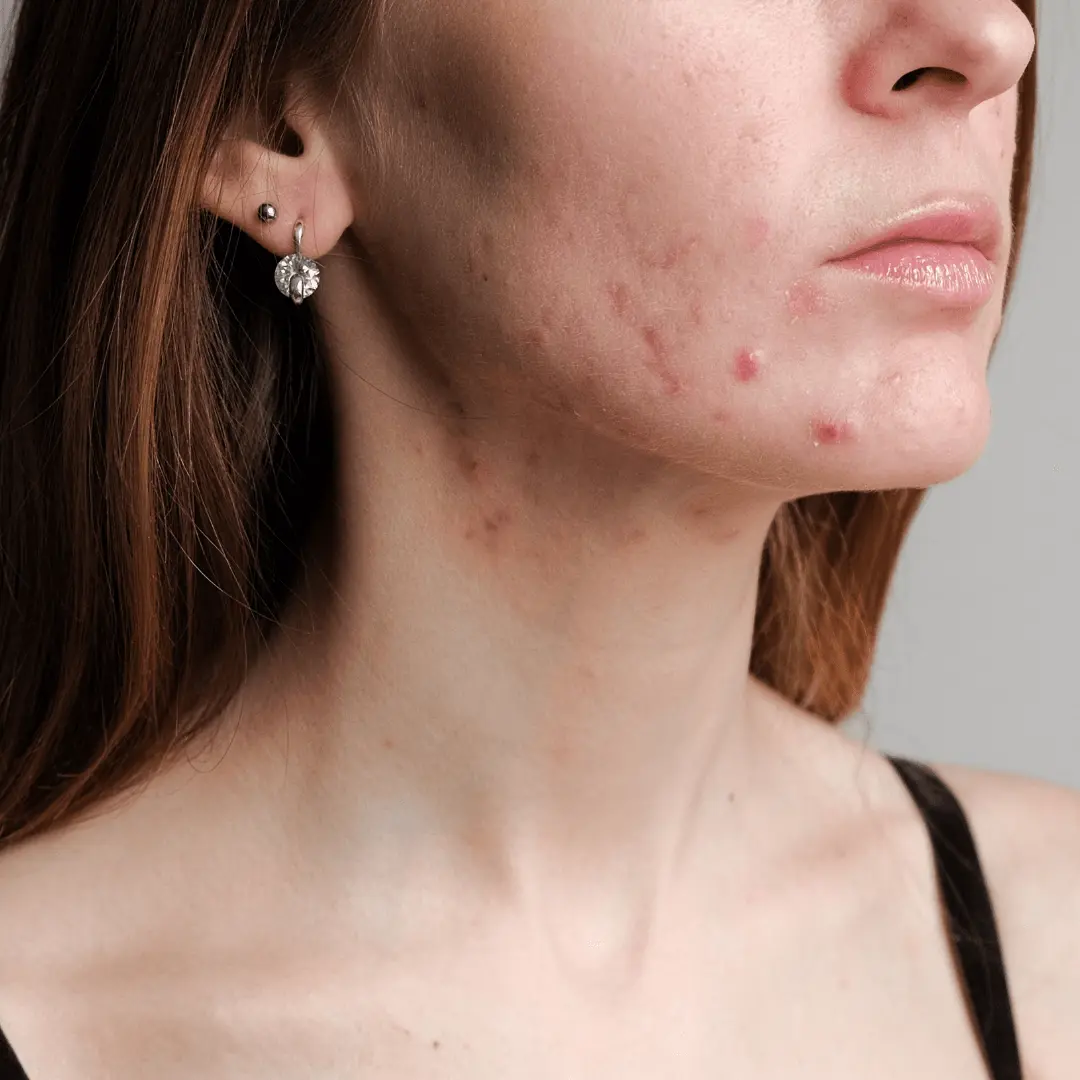
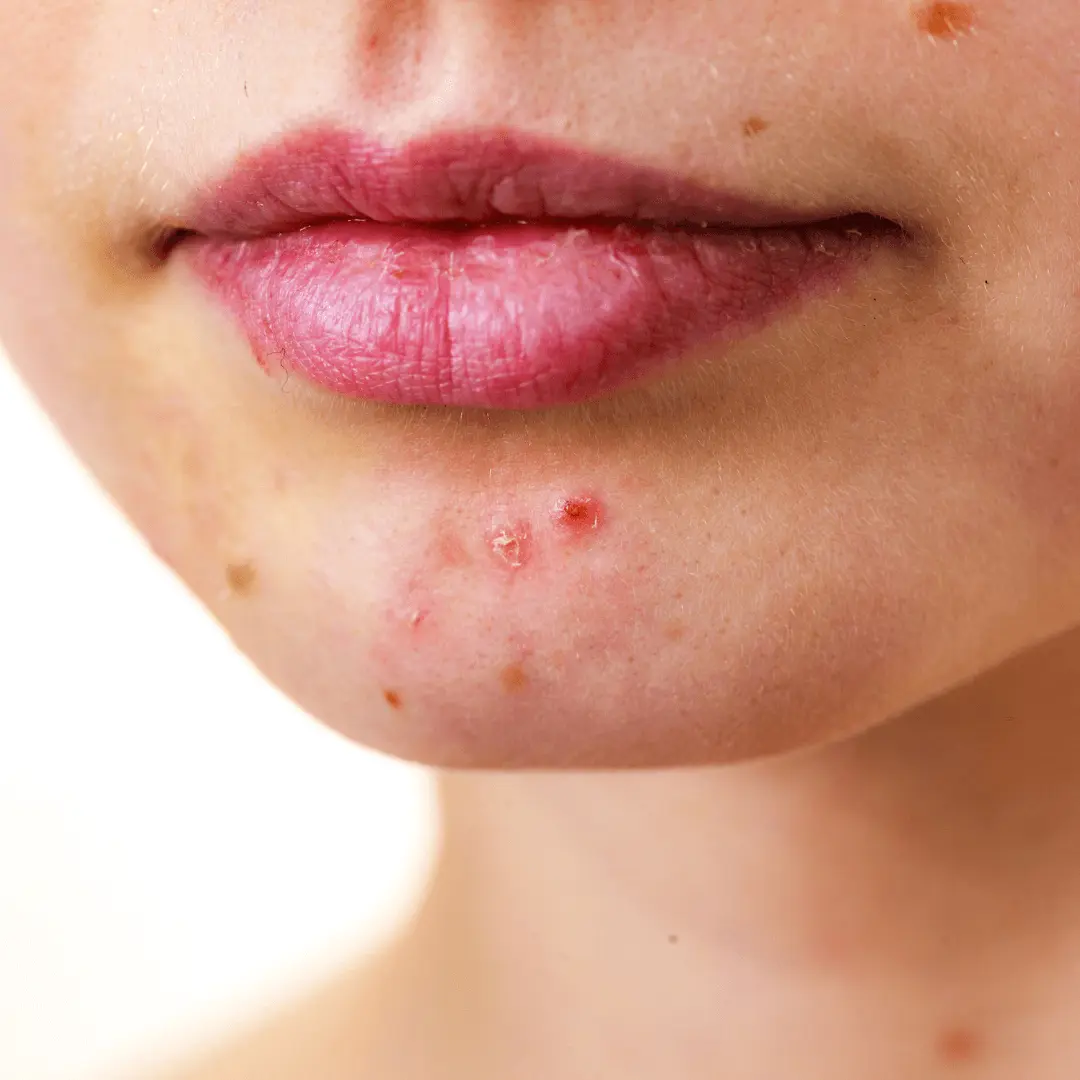
Active acne is an inflammatory skin condition that will likely require medical management before any cosmetic procedures are considered. Acne is caused by a combination of dead skin cells clogging hair follicle-bearing pores, bacterial growth (specifically cutibacterium acnes), and excess production of natural skin oils (sebum). The resulting inflammation manifests as visible spots. This can include blackheads, whiteheads, inflamed red spots, pus-filled pimples, and deeper, painful cysts or nodules.
Treating acne scars while acne is still active can increase inflammation, delay healing, and potentially create new scars. Therefore, clinical guidelines from dermatologists recommend controlling acne well before working towards removing acne scars.
It’s also easy to mistake post-inflammatory redness or pigmentation changes for permanent acne scarring. These marks often fade naturally over time or respond to different treatments compared to true acne scars, which involve permanent changes to the skin's structure.
Types of Acne Scars
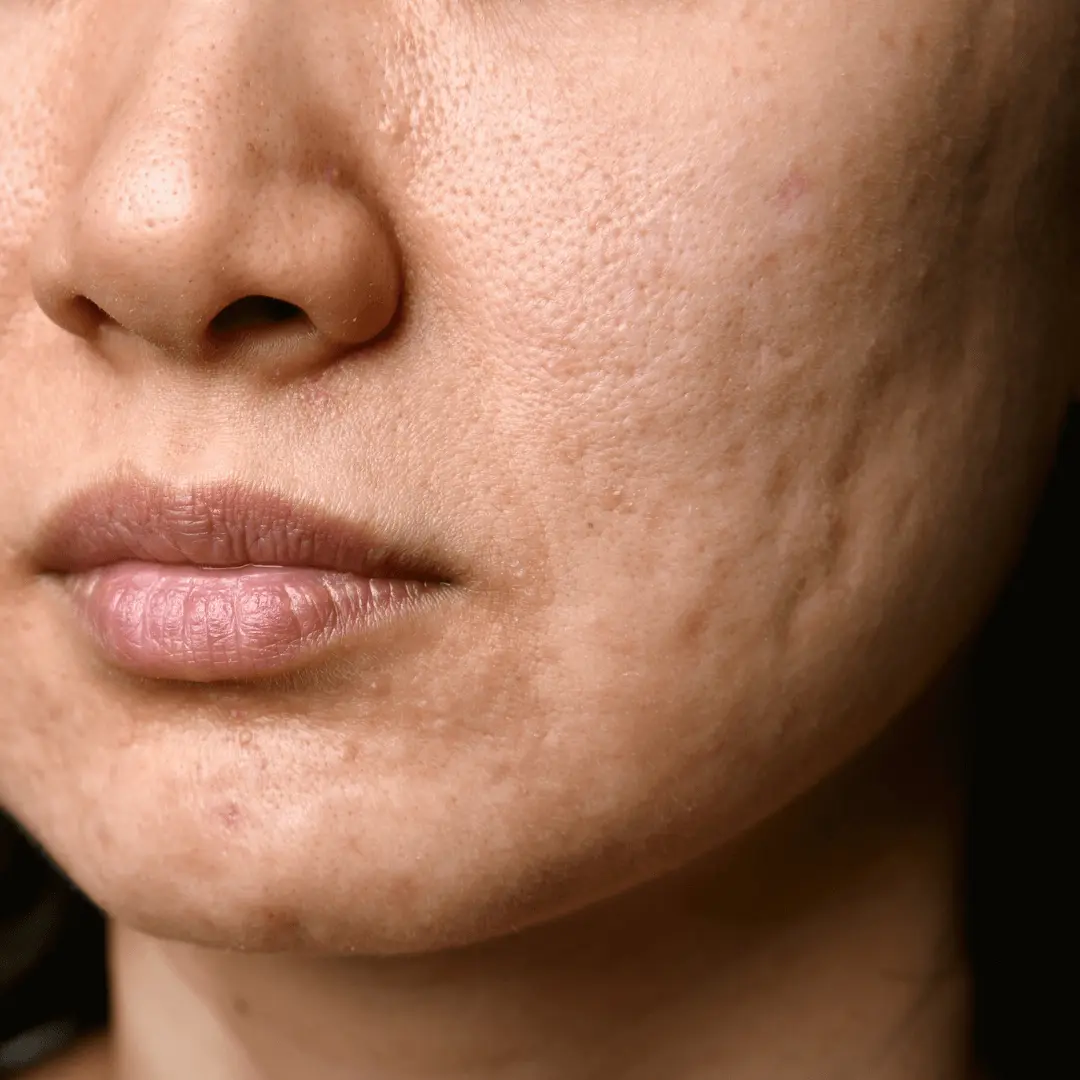
Acne scars aren’t all the same; some are atrophic or sunken, whereas some are hypertrophic or raised. Treatments for acne scars need to match the type of scarring to be the most effective.
- Ice pick scars are small and indented, leaving deep holes in the skin as if punctured by a sharp object.
- Boxcar scars are wider depressions with well-defined edges, similar in appearance to chicken pox scars.
- Rolling scars are shallower and create a wave-like or uneven appearance caused by bands of scar tissue beneath the skin.
- Raised scars, including hypertrophic or keloid scars, are less common and are more likely to appear on the chest, shoulders, back, or jawline.
Identifying the type of acne scar is the first step towards choosing the most effective dermatologist acne scar removal treatment.
Laser Resurfacing for Deeper Acne Scars
Laser skin resurfacing is often considered one of the best clinical treatments for acne scars, particularly for moderate-to-severe atrophic scars that leave the skin looking pitted or uneven, like ice pick or boxcar scars.
Fractional laser technology creates controlled microscopic injuries within the skin, stimulating collagen production and encouraging healthier skin to replace the scarred tissue. Depending on your skin type and the severity of scarring, your medical practitioner may recommend either ablative, fractional, or non-ablative laser treatment. Ablative lasers generally deliver more dramatic improvement for removing acne scars, but require a longer recovery period because they strip off the very top layer of skin.
Laser treatment is not suitable for everyone. Skin colour, scar type, medical history, and lifestyle all influence whether it is the safest option. Laser skin resurfacing also carries the risk of eye injury without proper eye protection. Treatment should always be performed in a regulated, medical laser clinic.
Medical Microneedling for Collagen Stimulation for Moderate Acne Scars
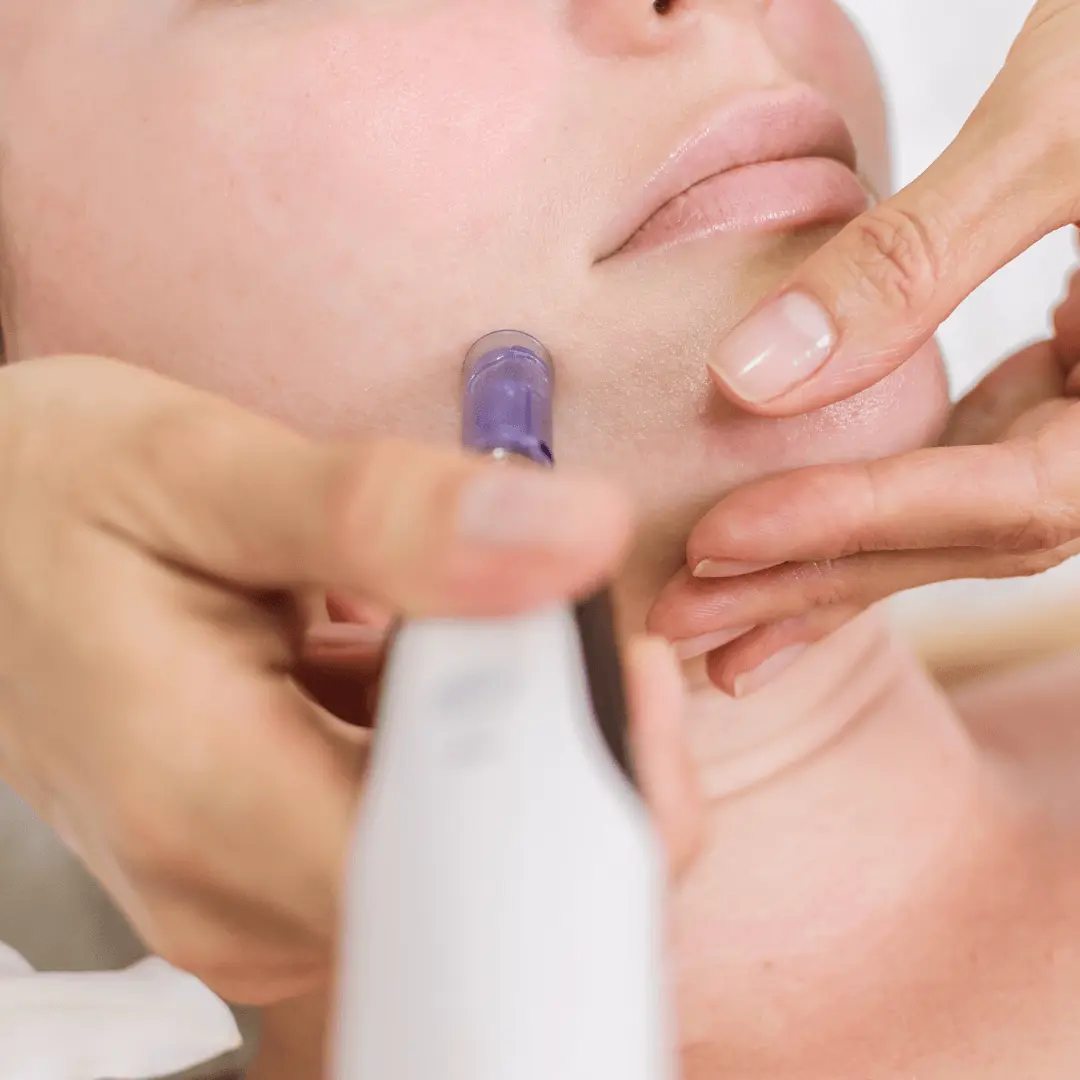
Medical microneedling works similarly to lasers by creating thousands of tiny, controlled micro-injuries in the skin, but with sterile, medical-grade needles that penetrate to prescribed depths. This targeted trauma stimulates the body's natural healing response and encourages the production of new collagen and elastin to repair damaged skin.
This treatment is often recommended for mild-to-moderate acne scarring, particularly rolling scars and uneven skin texture. Collagen remodelling takes time, so several microneedling treatment sessions are usually required before significant improvement becomes visible.
Microneedling safety
It’s important to touch on microneedling safety and the distinction between professional treatments and home-use devices.
Medical microneedling uses regulated, pen-like medical devices, strict infection-control procedures with single-use needle heads, and carefully selected needle depths. Treatment is based on your skin assessment and should always be delivered by appropriately trained skin therapists or healthcare professionals.
In contrast, unregulated home-use dermarollers and cosmetic microneedling pens, which are easy to purchase from online marketplaces, carry significant risks due to poor manufacturing. Similarly, incorrect and naïve use makes them risky. Poor technique or inadequate sterilisation (even if you only use it on yourself) can introduce infection, spread active acne bacteria, worsen inflammation, and even create permanent scarring or pigmentary changes. For long-term skin improvement and proper treatment for acne scars, professional treatment is far safer than attempting the procedure yourself.
Safety experts quoted in The Sun newspaper have recently warned consumers about the growing number of injuries linked to DIY microneedling, stating that “risky at-home devices could scar you for life”.
Chemical Peels for Superficial Acne Scarring
Acne scar chemical peels use specific acids, including alpha hydroxy acids (e.g., glycolic, lactic, or mandelic acid), beta hydroxy acids (e.g., salicylic acid), trichloroacetic (TCA), or phenol (carbolic acid), to remove damaged outer skin layers and stimulate regeneration.
Superficial skin peels using AHAs can improve skin tone, pigmentation, and very mild textural changes.
Medium peels using BHAs and TCA work at greater depths and may offer more noticeable improvement for certain acne scars.
Deep, higher-strength acne scar chemical peels, using TCA or phenol, are medical procedures. These treatments require careful patient selection, clinical expertise, and appropriate aftercare to minimise risks such as burns, infection, pigmentation changes and delayed healing.
When searching for how to get rid of acne scars, although many chemical peel products are available to buy online, as DIY solutions, stronger formulations should never be used without appropriate medical supervision to avoid the risk of chemical burns and pigmentary changes.
So, which is the Best Clinical Treatment for Acne Scars?
Every patient's skin and acne scarring pattern is different. Each of the main treatments for acne scarring can be summarised as follows:
- Laser resurfacing often delivers the greatest improvement for deeper scarring, but it involves more downtime.
- Medical microneedling is an excellent option for stimulating collagen with shorter recovery periods for moderate scarring.
- Chemical peels can improve superficial to deep acne scars, improving overall skin quality and texture for mild scarring.
In many cases, the best results come from combining dermatologist acne scar removal treatments as part of a personalised treatment plan rather than relying on a single procedure.
How to Get Rid of Acne Scars by Choosing the Right Practitioner
Acne scars can often be improved significantly, but successful treatment starts with an accurate diagnosis and a qualified aesthetic practitioner. Even the most advanced treatment carries risks if performed by someone without the appropriate training, experience, or clinical oversight.
When researching how to get rid of acne scars and vetting aesthetic medical professionals, ask about their qualifications, experience treating acne scars, complication management protocols, and the devices or products they use. A reputable practitioner will always provide a detailed consultation, explain realistic outcomes, and discuss potential risks before treatment.
If you’re considering treatment for removing acne scars, choosing an accredited Save Face practitioner gives you confidence that your care is being delivered safely, ethically and professionally.
At Save Face, patient safety is at the centre of everything we do. Every clinic listed on our register has undergone a rigorous assessment process, including inspection against robust standards for clinical practice, training, insurance, consent procedures, and patient care.