

Rogue cosmetic clinics fake credibility with Harley Street pop-ups. An increasing number of unqualified individuals are carrying out Botox and BBLs at temporary offices on the London street, according to the standards body, Save Face.
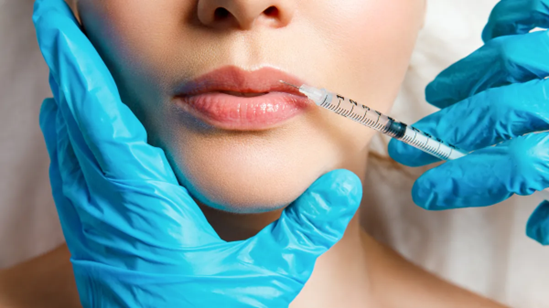
Unqualified practitioners typically advertise their services on social media at low prices
Harley Street is being used by rogue practitioners to establish pop-up cosmetic treatment clinics to trick patients into thinking they are credible, a professional standards body has revealed.
Complaints about unqualified individuals carrying out procedures at temporary offices on the Marylebone street, renowned as a centre for plastic surgery, have increased from 18 to 118 in the last five years.
The figures have been released by Save Face, a government-approved register of accredited aesthetic practitioners that also offers support to people who have undergone botched procedures.
Ashton Collins, director of Save Face, said her organisation has seen a sharp rise in people setting up pop-up clinics on Harley Street to acquire a veneer of respectability despite having no qualifications to carry out cosmetic treatments.
She explained that these treatments ranged from Botox and fillers to more dangerous procedures such as non-surgical Brazilian butt lifts (BBLs).
The rogue services are typically being advertised through social media sites such as Instagram and TikTok at bargain prices to attract clients, she added.
But in the event that treatments are botched, victims then discover their practitioner is not permanently located on Harley Street and they have nowhere to go to seek corrective procedures or financial compensation.
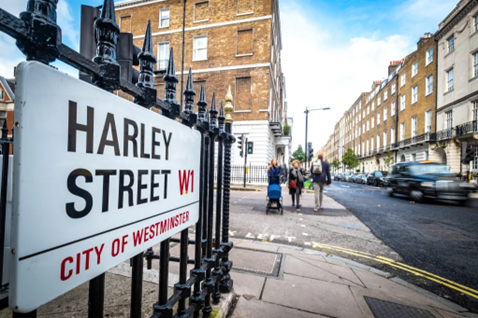
Rogue clinics hide behind the respectability of the Harley Street location
Collins said: “The clients go along because people promote that they work on Harley Street and obviously that lends itself an extra layer of credibility and trust.
“But what they don’t know is that this person does not have a fixed address there. It’s just somewhere that’s a room for hire basically. Then things inevitably go wrong.
“Then when try reaching out to the practitioner they get fobbed off and blocked.
“When they try to contact the clinic at its address, they are then told by whoever manages the building that the person is no longer there and they were just renting a room for a short time.”
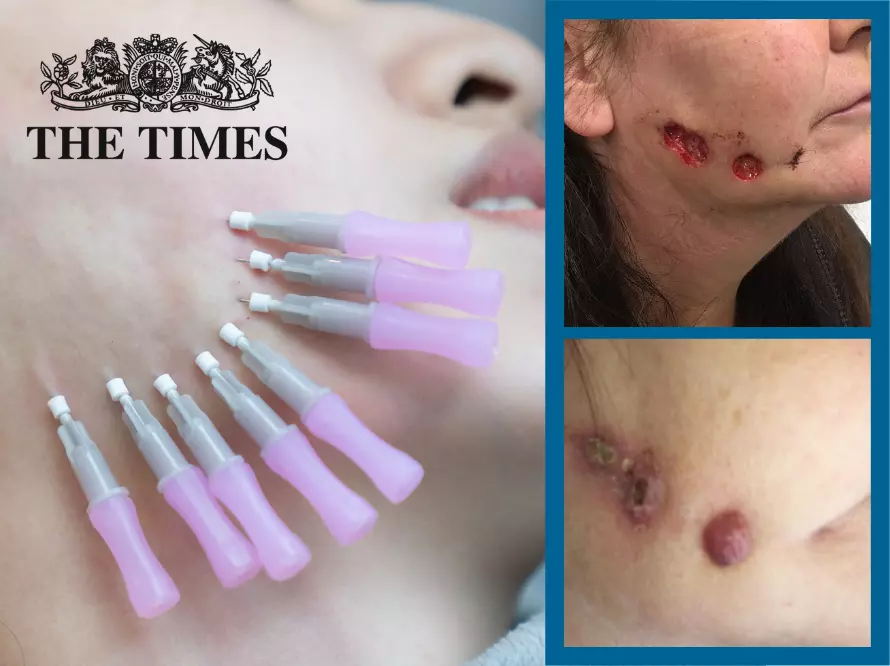
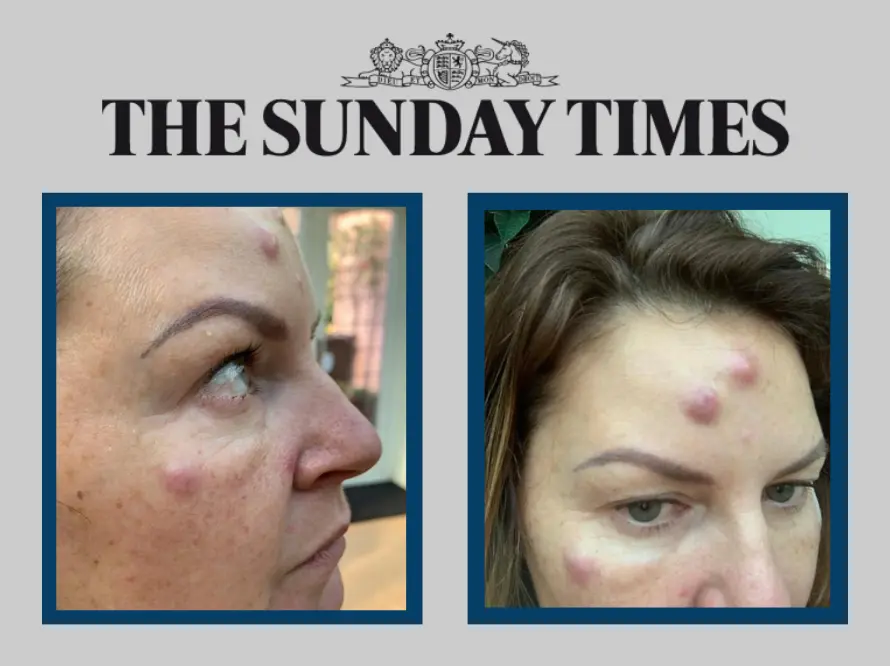
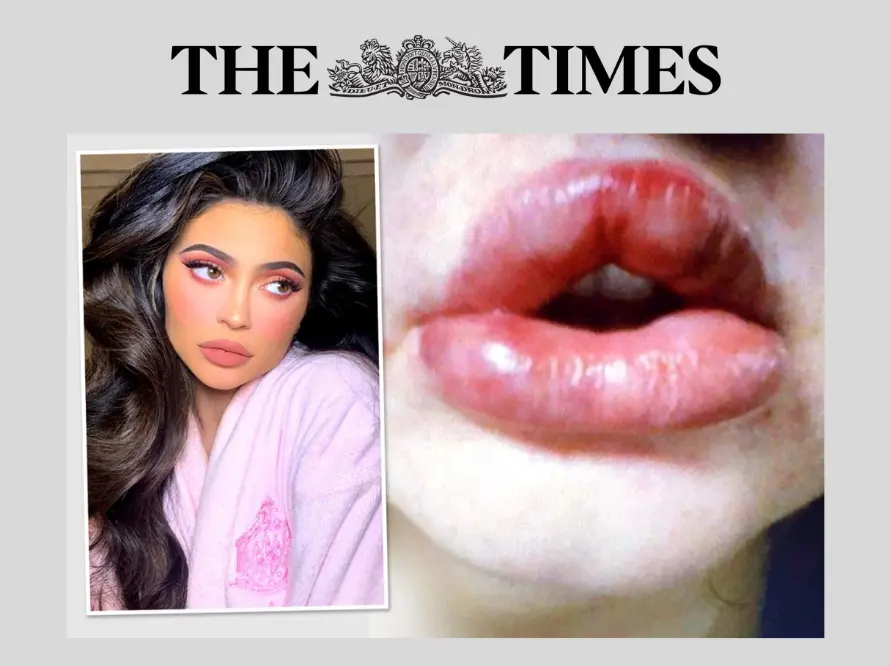
Collins says the complaints her organisation have received about the Harley Street pop-ups have ranged from facial disfigurement to potentially life-threatening infections.
She said: “The outcomes range from people feeling they look horrendous because they’re lopsided or have swelling. Or else they’ve had some horrendous complications such as infections or vascular occlusions.
“I definitely recall speaking to at least two people that had liquid BBL treatments that nearly died as a result of it.
“They contracted sepsis. They reported the signs and symptoms to their practitioner and were told, ‘Don’t worry about it, this is normal.’
“But they were passing out, they were vomiting and they had fever. Luckily they did take themselves off to A&E as their condition could easily have become life-threatening.”
Non-surgical or “liquid” BBLs, which are unregulated, are one of the most high-risk procedures. They involve filler being injected into the buttocks to make them bigger, more rounded or lifted.
There have been increasing reports of these injectable treatments being carried out on the high street by “cowboy” practitioners.
Alice Webb, 33, is believed to have become the first person in the UK to die after having a suspected liquid BBL in Gloucestershire in 2024.
However, under new government regulations due to be publicly consulted on, only qualified health professionals will be able to carry out non-surgical BBLs.
In addition, clinics will need to meet strict rules to obtain licences to offer fillers and Botox, the American brand name for botulinum neurotoxin (BoNT) injections.
Lesley Blair, chief executive of the British Association of Beauty Therapy and Cosmetology (Babtac), said: “At Babtac, we are very concerned about the rise of unregulated pop-up clinics on Harley Street offering cosmetic procedures.
“A major issue is the continued lack of enforceable regulation across the sector, leaving consumers exposed to serious risks, including physical complications, emotional distress, and an increasing burden on the NHS, particularly where aftercare is insufficient.
“With treatments becoming more accessible due to lower costs, decisions that should involve careful research are sometimes made impulsively.”
Categories
Related news articles