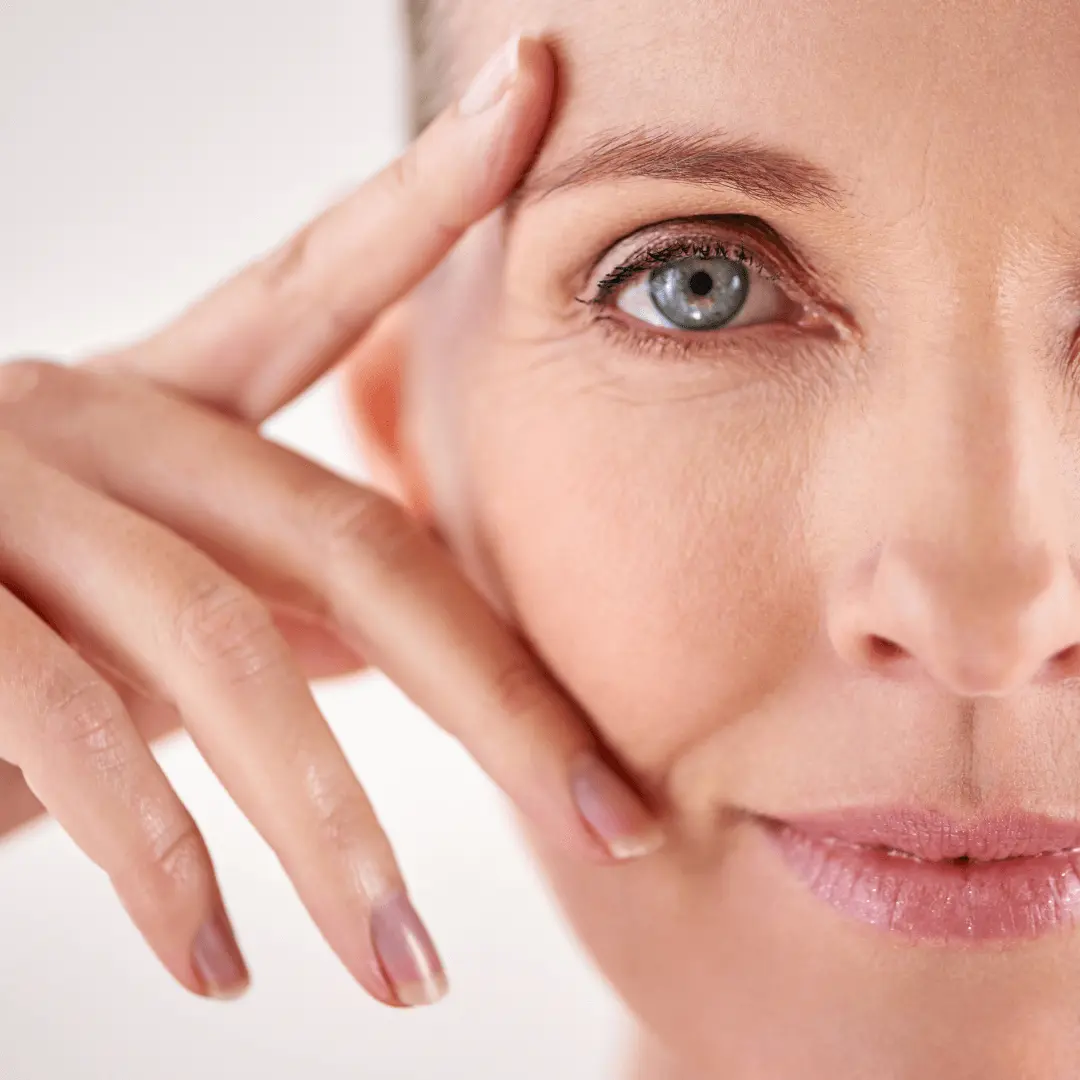


Looksmaxxing is an internet subculture-fuelled social trend focused on self-improvement and an obsession with aesthetic and physical appearance. Individuals engage in deliberate, often highly structured self-optimisation strategies, but what is it about, and how does it fit in with aesthetic treatment providers?
Formed from internet slang, combining “looks” and “maximising”, the core aim of “Looksmaxxing” is to become more physically appealing. Think “pimp by body”, and you’re on the right lines; the trend treats appearance and the human body like a system that can be upgraded, tuned, or engineered to be better, much like a performance car.
Devotees of this self-improvement culture believe that attractiveness can be pushed towards an upper limit through disciplined changes to lifestyle. At its most intense engagement, individuals live a lifestyle centred on appearance as a measurable and all-consuming project.
Where did Looksmaxxing originate?
The term Looksmaxxing did not emerge from mainstream beauty or medical aesthetic circles. Instead, it developed across Western internet subcultures and online forums in the 2010s, particularly across the USA, UK and Europe, and in spaces associated with “incel” (involuntarily celibate), bodybuilding, and self-improvement communities.
Users discussed attraction in highly analytical and often fixed terms, referring to dating struggles, perceived social hierarchies of attractiveness, and biological determinism in relationships. These environments have become known as the “Manosphere”, recently brought to mainstream awareness by documentary-maker Louis Theroux. In his Netflix film, Inside the Manosphere, Louis highlights the trend as a Manosphere beauty cult that focuses on maximising male attractiveness to ascend to “Chad” status, a slang term for an idealised alpha male stereotype.
The language behind the term is borrowed from role player gaming culture, leaning on the concept of “min-maxing”, where players optimise in-game character stats for maximum efficiency. That same mindset has transferred into real-life appearance optimisation.
By the early 2020s, the concept had spread and evolved, becoming more visible within mainstream social spaces including TikTok, YouTube and Reddit, which diluted the original, fringe audience and the more extreme aspects of Looksmaxxing.
Estimated to have garnered 12 billion hashtag views on TikTok by early 2026, the demographic most associated with Looksmaxxing engagement is Gen Z and younger Millennial men, born between the mid-1990s and 2012. Women directly engage to a lesser extent, but they do participate in the broader trend of beauty and aesthetic optimisation that underlies Looksmaxxing, just under different labels, including the more prevalent female “glow up” trend.
Reframed as a broader method for self-improvement, part wellness routine and part beauty optimisation, Looksmaxxing is still fuelled by an internet-based performance culture in short-form videos and selfies. It has shed some of its original stigma, with newer generations less aware of its cultural origins, and is becoming a more palatable concept.
What is involved in Looksmaxxing?
At the softer end, known as “Softmaxxing”, regimens include gym training to improve body composition, skincare routines, grooming habits such as haircuts and beard shaping, dental hygiene and teeth whitening, styling and fashion improvements, supplement and dietary powder use, sleep management, and posture training. These sound like relatively conventional “self-care” behaviours, but Looksmaxxing reframes them through a more analytical, structured lens focused on optimisation with measurable outcomes, driven by social culture and social media.
At the more intense or “Hardmaxxing” end, it can include cosmetic procedures like rhinoplasty, jaw surgery, fillers, or hair transplants; adult orthodontics; more invasive skin treatments; and discussions about facial symmetry or bone structure that border on pseudoscientific interpretations of attractiveness. More extreme actions, discouraged by medical professionals as unsafe or ineffective, include “mewing”, a facial exercise where you press your tongue against the roof of your mouth to define your jawline, steroid use, and bone manipulation via “bone-smashing”, hitting one's face against objects such as a hammer to create a "chiselled look".
A key feature of the Looksmaxxing trend is its emphasis on measurable improvement. People often use ratings systems, facial analysis apps, or online feedback to assess the changes they have made. This introduces a “gamified” element to appearance, where progress is tracked in a similar way to fitness, productivity, or sleep metrics. For young people, this is part of its appeal; they are already comfortable with data-driven self-optimisation in other parts of life.
Social media and Looksmaxxing
Looksmaxxing is closely tied to how identity and self-worth are now measured in an image-focused, digital culture, potentially making it psychologically damaging.
Social media platforms reward visual comparison. Algorithms amplify highly attractive faces and bodies, which reinforces the idea that appearance carries significant social and economic value. Many engaging in Looksmaxxing are not doing so purely for vanity. They are trying to gain control over areas of their lives that feel uncertain, such as dating success, career progression, social status, or overall self-esteem, and believe appearance directly affects these factors. This is reinforced by influencer culture and dating apps, where you swipe left or right to rate desirability. Users compare themselves against curated, filtered, and often professionally produced images. Experts believe this feeds body dissatisfaction, appearance anxiety, jealousy, and obsessive comparison, particularly in younger men.
Gen Z, including teenagers, are at the centre of this trend, and they have grown up with constant exposure to curated imagery, apps and algorithms. Looksmaxxing can feel like a practical response to an environment where first impressions are increasingly digital. In that environment, appearance starts to feel like something you can and should optimise, with the promise that it can be systematically improved with effort and discipline. Looksmaxxing reshapes attractiveness as something achievable rather than fixed or inherent, which can be motivating even if the underlying assumptions are oversimplified, making it psychologically unsafe if it leads to body dysmorphia, disordered eating, self-harm, or an obsession with Hardmaxxing actions.
Looksmaxxing and aesthetic medicine
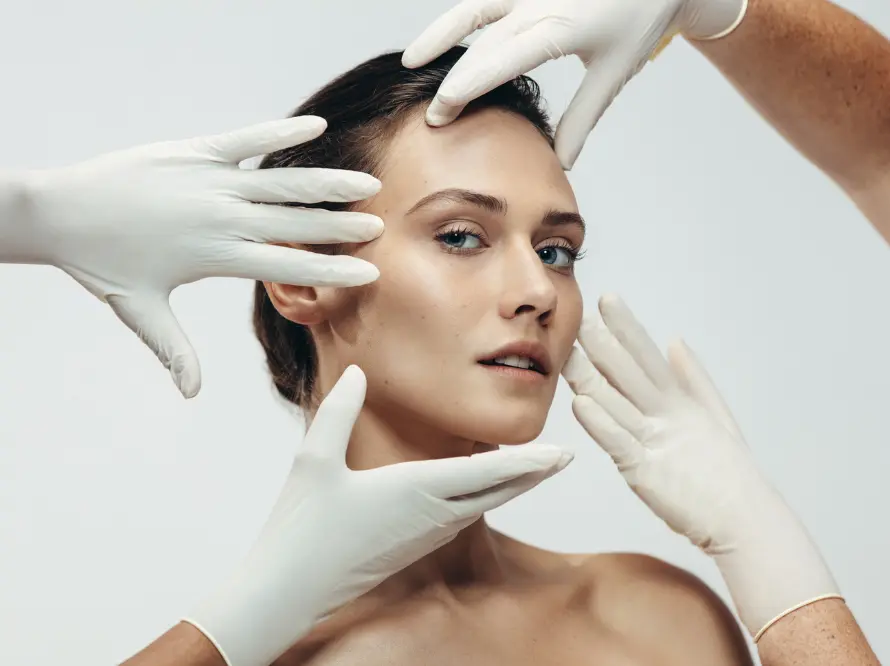
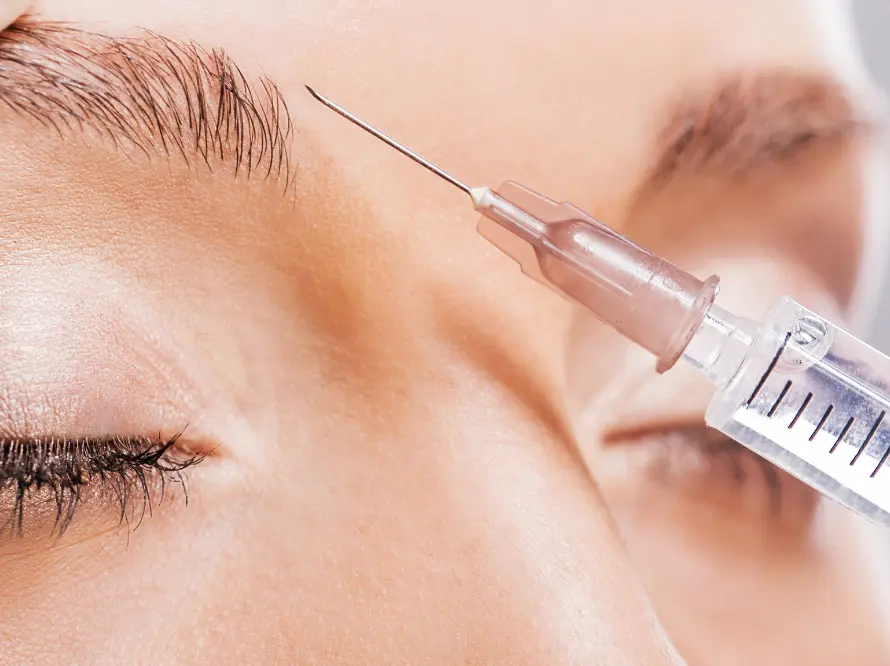
Aesthetic medicine sits right in the middle of this Looksmaxxing trend. Clinics offering cosmetic injectables, including botulinum toxin and dermal fillers, skin resurfacing treatments, or jawline contouring are effectively positioned in the Hardmaxxing category, whether that is true or not.
What used to be discreet, cosmetic enhancements for “mature” and “ageing” women and men is now openly discussed in optimisation language amongst the young. The boundary between grooming and medical intervention is thinner than it has ever been. This shift has implications for how aesthetic treatments are perceived. They are no longer seen only as corrective or age-related interventions, and increasingly, they are marketed and consumed as “performance upgrades”. A sharper jawline for that “snatched” look, more defined cheekbones, “hunter or fox eyes” with a positive canthal tilt, or smoother skin texture. These are treated as competitive advantages in a visual economy.
For some, using aesthetic treatments for Looksmaxxing is empowering. A structured way to improve confidence and take control of their appearance. For others, it is a harmful loop that encourages perfectionism, comparison, and dissatisfaction. Aesthetic practitioners should be mindful of the signs and literate in body dysmorphic symptoms.
Looksmaxxing is a particularly interesting cultural trend, spanning several sectors. It is part fitness culture, part skincare industry, part cosmetic and aesthetic treatments, and part online influencer ideology. It is not just about looking or appearing good, or better; it is about quantifying attractiveness and treating appearance as something that can be modified and engineered step-by-step to improve personal capital.
Evolving from a subculture, Looksmaxxing is now firmly within mainstream beauty and aesthetic medicine.
Resources:
- Slang.net: Looksmaxxing definition - https://slang.net/meaning/Looksmaxxing
- Wikipedia: Looksmaxxing - https://en.wikipedia.org/wiki/Looksmaxxing
- Wikipedia: Louis Theroux, Inside the Manosphere -https://en.wikipedia.org/wiki/Louis_Theroux:_Inside_the_Manosphere
- TrendWatch: Looksmaxxing: The Gen Z Self-Improvement Trend That Divides the Internet - https://trends.thicket.sh/Looksmaxxing-gen-z-trend-2026
- BBC Culture: Inside looksmaxxing, the extreme cosmetic social media trend - https://www.bbc.co.uk/culture/article/20240326-inside-looksmaxxing-the-extreme-cosmetic-social-media-trend
- Healthline: What Is Looksmaxxing? How the Viral Trend Promotes Toxic Beauty Standards for Young Men - https://www.healthline.com/health-news/looksmaxxing-viral-trend-young-men
Categories
Related news articles