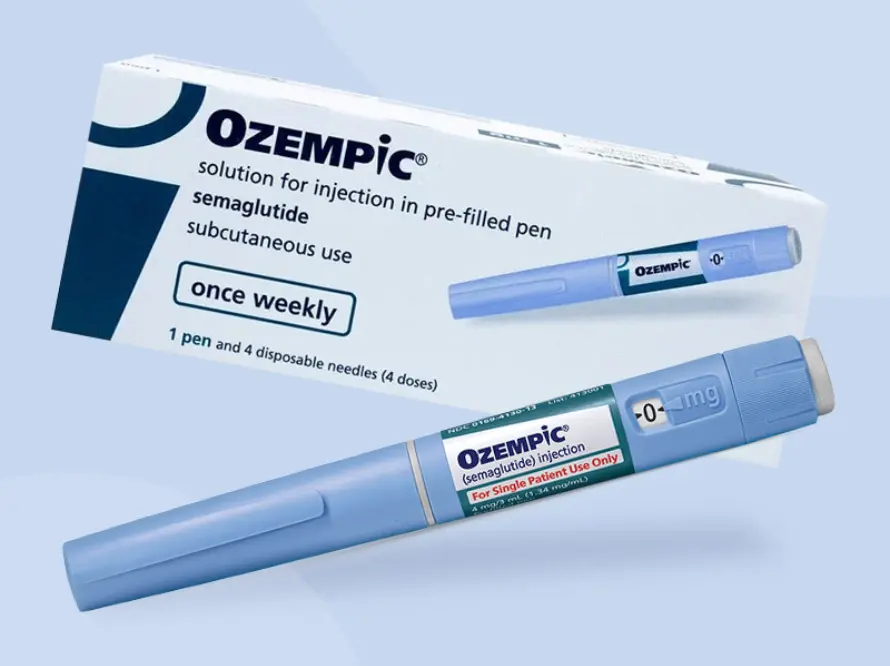


GLP‑1 receptor agonists (semaglutide: Wegovy®, Ozempic®) and dual GIP/GLP‑1 agents (tirzepatide: Mounjaro®) have transformed medical weight management. But these are prescription medicines with systemic effects requiring medical assessment, baseline testing and ongoing monitoring.
People looking for non-invasive weight loss may see a weekly injection as a simple alternative to surgery. However, a medicine that changes appetite, digestion and blood glucose is not risk-free, which is why medically supervised treatment differs significantly from a supply-only 'diet jab' service.
How does Ozempic work?
In Ozempic and similar prescription medicines, semaglutide and tirzepatide act on gut–brain pathways to reduce appetite and alter glucose metabolism. Their systemic action means they can affect the pancreas, gallbladder, thyroid function, and gastrointestinal system.
Although Ozempic is frequently discussed in relation to weight loss, it is licensed in the UK as a treatment for type 2 diabetes. Wegovy is the semaglutide product licensed for weight management in eligible patients.
Are weight loss injections safe?
Weight loss injections can be appropriate for eligible patients when prescribed and monitored by a qualified clinician, but no prescription medicine is completely without risk.
Side effects (nausea, vomiting, diarrhoea) are common during titration, but rarer, serious risks (pancreatitis, gallstones, significant gastrointestinal disturbance, changes in mental health) require medical oversight. Proper dose titration and follow‑up are important to reduce adverse effects and improve outcomes.
Is Ozempic safe, and what are the Ozempic risks?
Ozempic safety depends partly on whether it is suitable for the individual and used as prescribed. Ozempic risks may be greater when medical history, pregnancy status, other medicines or previous pancreatic disease are not reviewed. The same principle applies to other weight loss injections.
A clinician should explain the expected benefits, common side effects, serious warning signs, alternative treatments and realistic goals before prescribing.
What does safe clinical care include?
Safe treatment starts with a comprehensive baseline assessment. This should cover relevant medical history, including pancreatic disease, thyroid disorders, mental health and pregnancy status. The clinician should consider cardiovascular risk and arrange blood tests or other baseline checks where indicated by clinical guidance. In your initial consultation, your practitioner will discuss realistic goals, side effects, and alternatives with you.
Prescribing should then follow a structured titration plan; starting at an appropriate dose and increasing it gradually can reduce gastrointestinal side effects and help identify adverse reactions early. Patients should receive clear instructions on using the pen, adjusting doses, and what to do if serious symptoms occur.
Ongoing monitoring and safety
You and your practitioner should schedule ongoing appointments so they can provide continuity of care. During these appointments, your clinician can monitor weight, metabolic markers and side effects. They can also review whether severe gastrointestinal symptoms, abdominal pain (possible pancreatitis), or new psychiatric symptoms occur.
This follow-up helps ensure that the balance of benefits and Ozempic risks, or the risks of another medicine, remains acceptable.
Why “supply‑only” or non‑medical weight loss injections are risky
Transactions that separate supply from clinical assessment skip essential safety checks, such as missed contraindications, absent monitoring for adverse effects, and no continuity of care. Illegitimate supply channels also increase the risk of counterfeit or improperly stored medication.
Semaglutide and tirzepatide are Prescription‑Only Medicines, meaning that public advertising or sale without clinical assessment is unlawful and dangerous.
Practical advice if you’re considering treatment
Avoid sellers that offer insulin‑type injections, “overseas” pens without clear pharmacy labels, or purchase through social media referral only. Before accepting any medicine, ask about baseline testing, titration schedules, and follow‑up plans.
If you want to seek out weight loss injections, make sure that your treatment is from a medically qualified clinician experienced in weight‑management pharmacotherapies.
Choose an accredited medical practitioner
A medically qualified practitioner experienced in weight management medicines can provide a safe assessment, evidence‑based prescribing, properly dispensed medication from registered pharmacies and documented follow‑up care.
Save Face‑accredited practitioners are independently assessed for safety, training and governance. Use the Save Face register to find an accredited clinician and discuss whether this treatment is suitable for you.
Categories
Related news articles