

Which Regenerative Skincare Injectable is Right for You?
Regenerative injectables are a sophisticated category of skincare that work on a significantly deeper level than topical cleansers or retinols. These treatments are rapidly rising in popularity across the UK, as they promote natural repair mechanisms beneath the surface to create a healthy, youthful glow.
Choosing the right path can be challenging because there are several distinct options available. Understanding the science behind these treatments, and how they differ from traditional cosmetic procedures, is the first step toward achieving your aesthetic goals safely. So, what is regenerative skincare, and how do you know which option is the right one for you?
What are regenerative injectables in skincare?
Regenerative aesthetics represent a fundamental shift in how we approach ageing. While traditional treatments often focus on masking the signs of age, regenerative skincare are the ‘skin-glowing injections’ that improve the skin's appearance by promoting active repair. This approach caters to the increasing demand for longevity beauty, where the goal is to improve the skin’s biological age rather than simply altering its shape.
Unlike traditional dermal fillers, which use a gel to physically occupy space and add volume, regenerative injectables (often called biostimulators) encourage the body to produce its own collagen, elastin, and hyaluronic acid. This process improves the skin's structural firmness and quality without freezing muscles or creating an artificial appearance. These treatments are ideal for those seeking a natural look that develops gradually over time.
Polynucleotides (PDRN) and Salmon DNA injections
Polynucleotides often referred to in clinical settings as PDRN (Polydeoxyribonucleotide), are filtered, sterilised, natural fractions of DNA typically derived from salmon. They are highly biocompatible with human DNA and function as a signal to your cells to begin the repair process.
By boosting the production of collagen and elastin, polynucleotide skin boosters, or the salmon DNA facial, gives the skin a more plump and resilient appearance. They also act as potent antioxidants, which helps to reduce inflammation. This makes them an excellent option for all skin types, including those with sensitive skin or conditions such as rosacea.
Due to their restorative nature, polynucleotide injections are frequently used to treat delicate, wrinkle-prone areas such as the under-eyes and the neck. They offer a compelling alternative for patients who want to address "crepey" skin or dark circles without the use of traditional fillers. While the best non-surgical wrinkle treatment remains muscle-relaxing toxins, polynucleotides focus on repairing the skin tissue itself.
Sculptra and Radiesse for addressing volume loss and “Ozempic face”
A significant trend in 2026 is the management of "Ozempic face," a term used to describe the facial hollowing and skin laxity that can follow rapid medical weight loss. When the face loses volume quickly, the skin can appear saggy or depleted. Sculptra and Radiesse are the primary tools used by medical professionals to restore this lost structure.
Sculptra is a collagen-stimulating injectable made from poly-L-lactic acid (PLLA). It does not provide an immediate change, but instead acts as a framework beneath the skin that encourages the body to rebuild its own collagen over several months. It’s typically used for larger areas such as the cheeks, temples, and jawline to restore support and soften deep folds.
Radiesse is composed of calcium hydroxylapatite (CaHA), a mineral-like substance naturally found in the body. It works in two stages: the gel carrier provides an immediate lifting effect, while the CaHA microspheres act as a scaffold to stimulate long-term collagen and elastin production. It tends to often be chosen for patients who want both instant definition and a gradual improvement in skin firmness.
Due to its more structural nature, Radiesse is typically used in areas affected by deeper volume loss or reduced support, such as the cheeks, jawline, lower face and the backs of the hands. One to three sessions are usually recommended for this treatment type.
Restoring Volume After Weight Loss
Rapid weight loss can lead to a significant reduction in facial fat compartments, resulting in skin laxity and a tired appearance. Biostimulators like Sculptra and Radiesse are specifically designed to address this structural change. By stimulating the body’s own collagen, these treatments help to re-inflate the face naturally, providing a firmer foundation and reducing the appearance of sagging skin.
Microneedling and Exosome Therapy
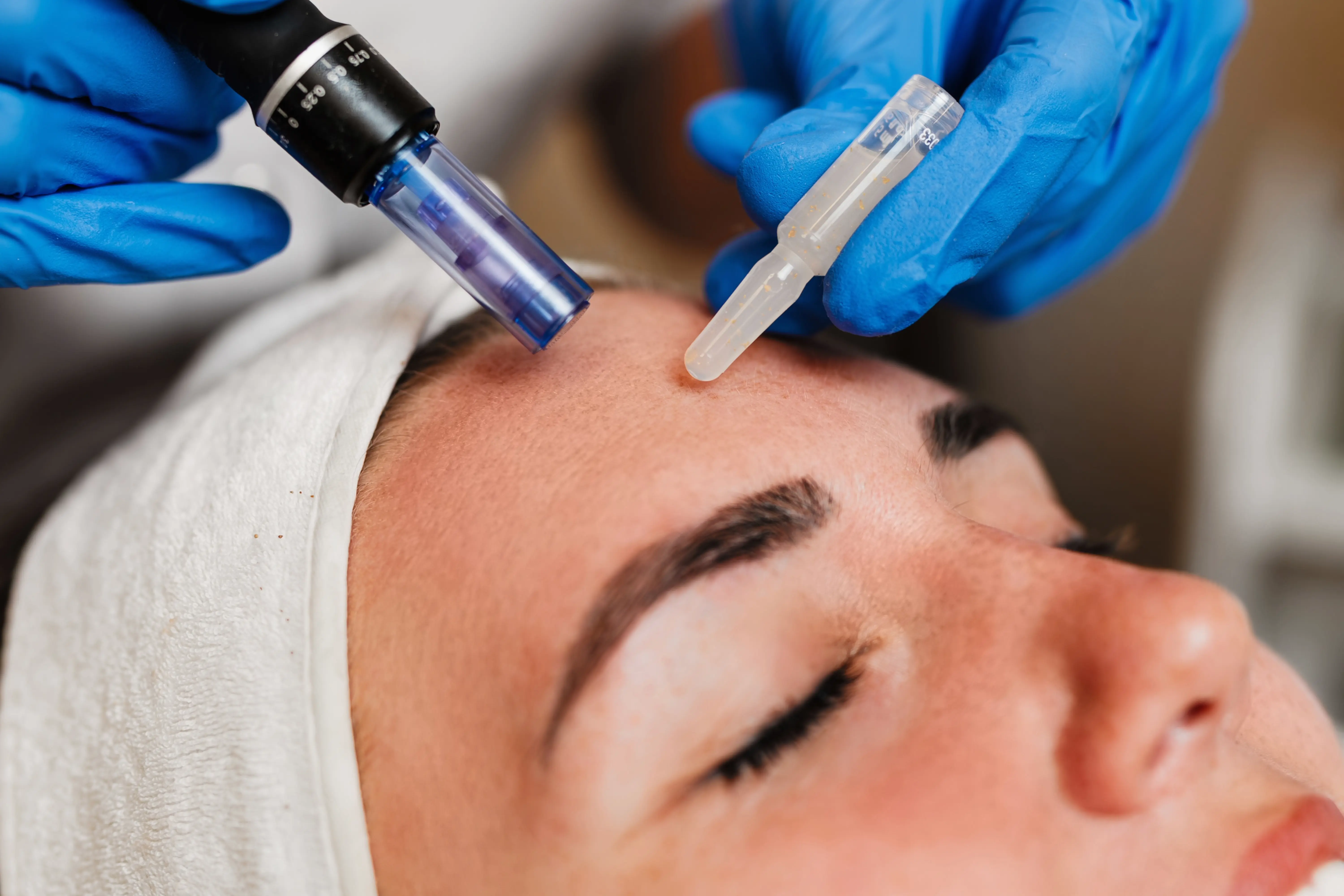
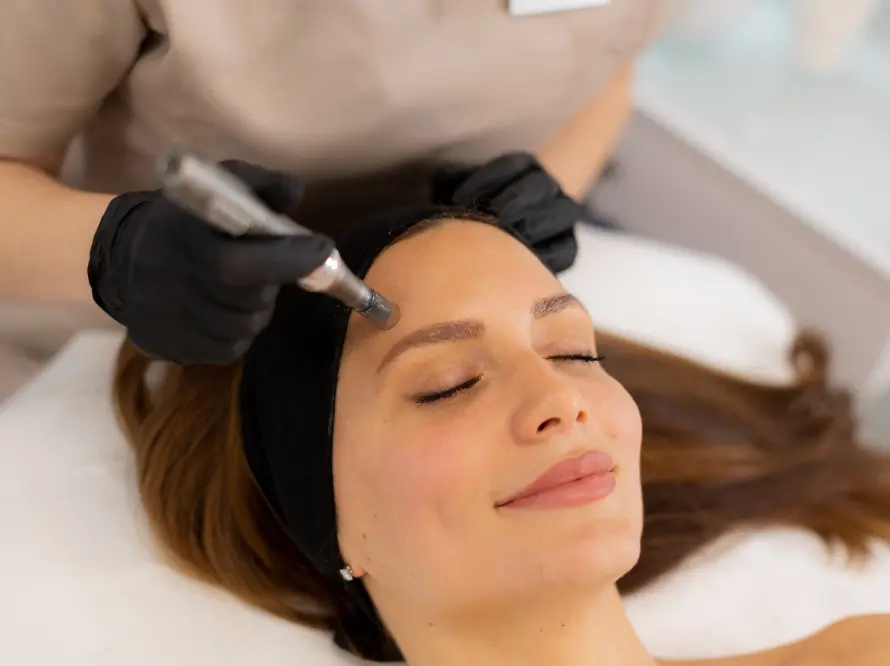
For patients focused on surface imperfections such as acne scarring, enlarged pores, or uneven texture, microneedling remains a gold-standard treatment. This minimally invasive procedure uses fine, sterile needles to create controlled micro-injuries, triggering the body’s natural wound-healing response.
To accelerate this process, many accredited practitioners now pair microneedling with Exosome therapy. Exosomes are tiny extracellular vesicles that carry proteins, lipids, and signalling molecules used in cell-to-cell communication. When applied during or after microneedling, exosome injections penetrate deep into the skin to regulate inflammation and supercharge the renewal process.
This combination is particularly effective for skin that appears stressed, tired, or inflamed, although it's important to note that the clinical evidence for exosomes is still developing.
Profhilo structura
Profhilo Structura is a high-concentration hyaluronic acid injectable designed to do more than hydrate the skin. While standard skin boosters sit just beneath the surface to improve texture, Profhilo skin boosters are formulated to work with the superficial fat compartments of the face.
As we age, these fat pads can flatten or shift, leading to a loss of contour. Profhilo treatment helps to restore support in these areas, making it an ideal choice for patients noticing mid-face flattening or early sagging. It bridges the gap between a simple hydration treatment and a more intensive structural biostimulator.
The Role of Growth Factors and NAD+ in Skin Longevity
Beyond the primary injectables, the field of regenerative medicine is expanding to include growth factors and systemic treatments like NAD+ (Nicotinamide Adenine Dinucleotide).
Growth factors are naturally occurring substances that stimulate cellular growth and tissue repair. NAD+ injections are increasingly used to support systemic cellular health, which can complement the visible results of topical and injectable treatments. Together, these elements form a comprehensive "longevity" protocol that addresses ageing at a cellular level.
Regenerative Treatments vs Baby Botox and Dermal Fillers
While these regenerative skin treatments are good options for filler alternatives, it’s important to understand that regenerative treatments don’t create the exact results of traditional options like baby Botox (micro-dosing toxin for natural mobility) or Hyaluronic Acid (HA) fillers. However, they can often complement them, or support your skin in a different way.
While a dermal filler can provide an instant lift to a specific fold, a biostimulator like Sculptra improves the overall health and thickness of the skin. Similarly, while baby Botox prevents new wrinkles from forming by softening muscle movement, polynucleotides repair the existing damage in the skin tissue. A qualified medical professional will often recommend a combination of these approaches to achieve the most balanced and natural result.
Comparing regenerative skincare options
|
Injectable |
Primary Goal |
Key Ingredient |
Visible Results |
Ideal Treatment Area |
|
Polynucleotides |
Cellular repair |
PDRN (Salmon DNA) |
2-4 Weeks |
Under-eyes, neck |
|
Sculptra |
Structural firmness |
Poly-L-lactic acid |
3–6 Months |
Cheeks, jawline, body |
|
Radiesse |
Immediate volume |
Calcium hydroxylapatite |
12-18 Months |
Cheeks, jawline, lower face, backs of the hands |
|
Microneedling |
Improving texture and elasticity |
Physical stimulation |
3-6 months |
Full face, chest |
|
Exosomes |
Intense healing |
Extracellular vesicles |
Days (Texture) |
Full face (with needling) |
|
Profhilo Structura |
Natural lift |
Hyaluronic acid |
4–8 Weeks |
Mid-face, sagging skin |
Regenerative skincare cost comparison
The cost of regenerative treatments in the UK varies based on the practitioner’s experience and the amount of product required.
- Polynucleotides: Prices typically start from £135 for the eye area, with full-face courses (usually three sessions) ranging between £365 and £540.
- Microneedling & Exosomes: Microneedling sessions range from £150 to £265. Adding exosomes typically costs an additional £300 per session.
- Profhilo Structura: Expect to pay between £225 and £410 per session, with an initial course of two sessions often priced around £500.
- Radiesse & Sculptra: These are often the largest investments. Radiesse starts at approximately £500 per treatment. Sculptra is priced per vial, with an average cost of £430 per vial, though comprehensive plans for significant volume loss can reach £2,400.
Facial injection downtime
Most regenerative treatments involve minimal downtime. You may experience temporary swelling, redness, or bruising. Polynucleotide skin boosters and Profhilo Structura may leave small visible bumps for 24 to 48 hours while the product absorbs. Microneedling with exosome injections may require 7 to 14 days for the skin to fully settle, though the initial redness usually fades within 48 hours.
Once your skin's recovered and you can see the results, Sculptra results will last for several months, but Radiesse tends to last the longest. This does, however, depend on your course of treatment. Polynucleotides and Profhilo treatments usually require maintenance treatments to preserve the end appearance, while microneedling and exosome skincare can be effective for improving skin quality, but are generally a little less predictable in how long results will last.
Choose your treatment plan with Save Face
Regenerative aesthetics offer a sophisticated, skin-first approach to rejuvenation, but the best results come from a bespoke plan. A thorough consultation with a qualified medical professional is essential to determine which biostimulator is right for your skin quality and structural needs.
Whatever results you're looking for, choosing the right practitioner is the most important step. Finding someone with the right expertise means they’ll be able to analyse your skin and advise the most suitable treatment plan to address your concerns.
A thorough consultation with a qualified professional will help you understand which treatment is going to best target your concerns, and what results are realistic. To find a trusted, accredited practitioner, use the Save Face database and search for a medical aesthetics professional in your area.
Additional FAQs
Are polynucleotides better than PRP (Platelet Rich Plasma)?
Both are regenerative skin treatment options, but the way they work is different. PRP uses your own blood to provide growth factors, which is highly natural but can vary in potency. Polynucleotides (PDRN) provide a standardised, highly concentrated dose of DNA fractions that specifically target cellular repair. Many practitioners prefer polynucleotides for the delicate under-eye area due to more predictable results.
Can I get regenerative injections at a beauty salon?
No. These are medical treatments that involve injecting substances into the deeper layers of the skin and fat compartments. They must be administered by a qualified medical professional in a clinical environment to ensure safety and accuracy.
Are these treatments suitable for vegetarians or vegans?
Polynucleotides are derived from salmon DNA, so they’re not suitable for vegans or those with fish allergies. However, Sculptra (synthetic PLLA) and Radiesse (synthetic CaHA) are non-animal derived and may be suitable alternatives. Always discuss your requirements with your practitioner during your initial consultation.
What’s the difference between PDRN and Polynucleotides?
PDRN is a specific subtype of polynucleotide. In the aesthetics industry, the terms are often used interchangeably. Both refer to the DNA fractions used to stimulate cellular repair and collagen production in polynucleotide treatment.
Will these treatments help with "Ozempic Face" or weight loss sagging?
Yes. Sculptra and Radiesse are particularly effective for restoring the structural volume lost during rapid weight loss. They help to firm the skin and rebuild the facial foundation that has been depleted.
Categories
Related news articles