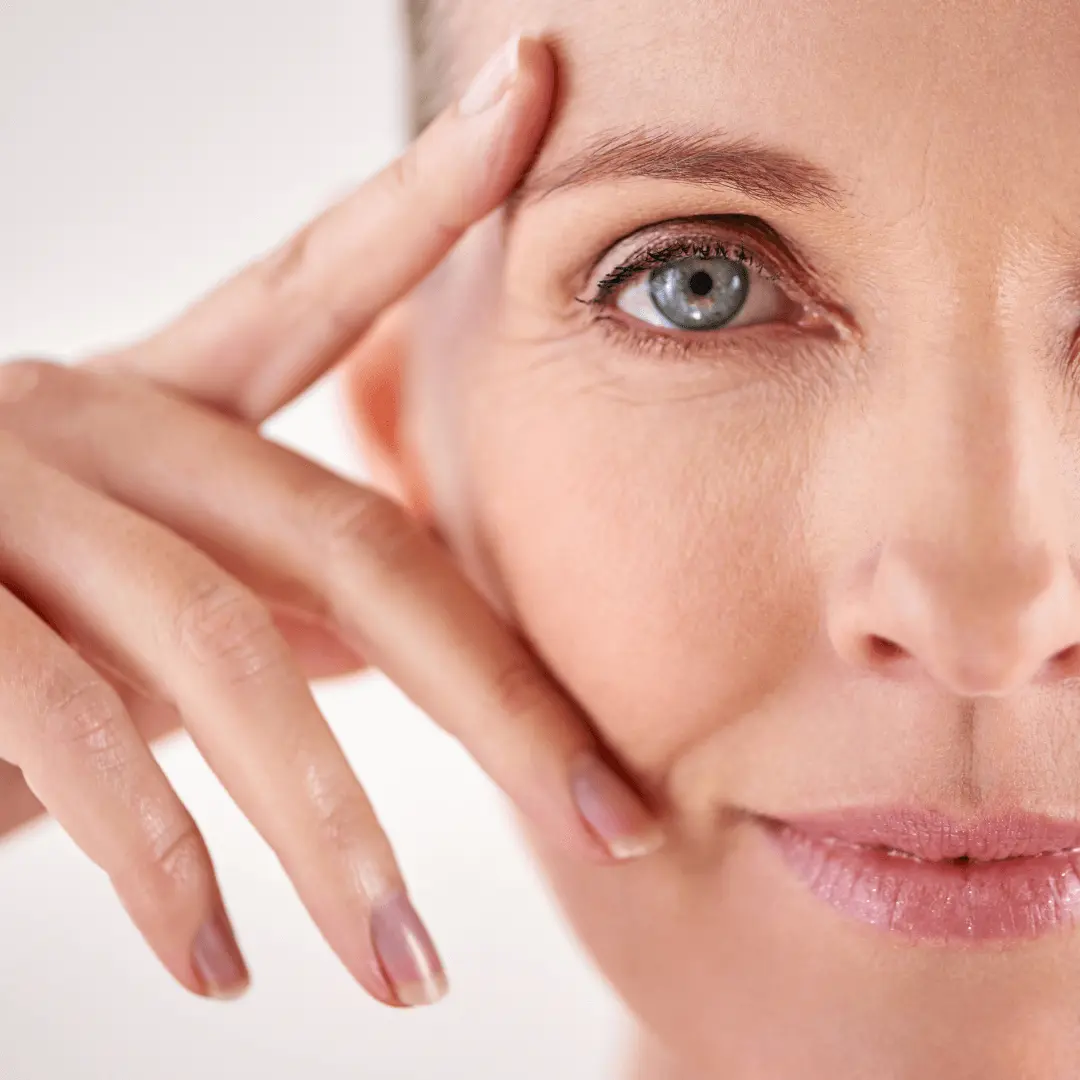


“Should I have Botox or filler?” is one of the most common questions people ask when they first consider aesthetic treatment. The two are often advertised together, but they do very different jobs – and choosing the wrong one can leave you disappointed or, worse, at risk.
This guide explains the difference between Botox and dermal fillers, what each is used for, and how to make a safer, more informed choice with a medically qualified practitioner.
Botox vs Fillers: The Essentials
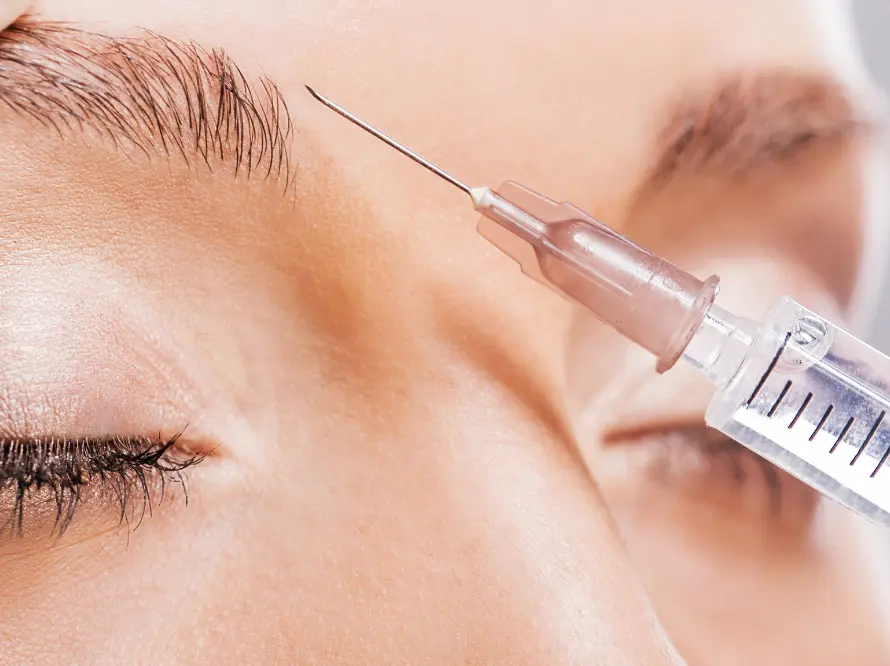
Botox (botulinum toxin type A)
- A prescription only medicine
- Temporarily relaxes targeted muscles
- Used mainly to soften dynamic lines caused by movement (frowning, squinting, raising brows)
Dermal fillers (usually hyaluronic acid)
- Classed as medical devices, not medicines
- Add or restore volume, shape and structure
- Used to treat static lines, volume loss and contour (cheeks, lips, jawline, nasolabial folds)
In simple terms:
- Botox reduces muscle movement.
- Filler replaces or adds volume.
They are not interchangeable – and in many cases the best results come from using both, in the right place, at the right time.
What Botox Is Best For
When delivered safely by a qualified prescriber, Botox can:
- Soften frown lines (11s) between the brows
- Reduce horizontal forehead lines
- Soften crow’s feet around the eyes
- Help with some “bunny lines” on the nose
- Relax chin dimpling and certain muscle‑related neck bands
These lines are mainly movement‑driven. By reducing muscle activity, Botox reduces how strongly they form.
Botox can also be used medically for migraines, excessive sweating and teeth grinding, but the focus here is cosmetic use.
What Fillers Are Best For
Hyaluronic acid fillers are used to:
- Restore cheek volume and lift
- Enhance or hydrate lips
- Soften deeper folds (for example, nasolabial lines)
- Improve marionette shadows around the mouth
- Refine jawline and chin shape
- Occasionally smooth deep static lines that do not respond to Botox alone
These concerns are more about volume and structure than muscle activity.
When You Might Need Both
Many faces age through a combination of:
- Repeated movement
- Volume loss
- Changes in skin quality
In that case, a safe and subtle plan may involve:
- Botox to reduce overactive muscles (for example heavy frown lines)
- Filler to restore mid‑face support, jawline or lip volume
The key is that this plan must be led by a medically qualified prescriber who understands anatomy, ageing, and how to combine treatments safely.
Safety Considerations
Both Botox and fillers have risks. Common issues include:
- Bruising and swelling
- Asymmetry
- Over‑treatment or unnatural results
More serious but less common complications include:
- Ptosis (droopy eyelid) with Botox
- Vascular occlusion, skin loss or blindness from filler entering a blood vessel
- Infection, nodules or long term inflammation
These risks increase when:
- Non medical practitioners inject without proper training
- Unlicensed or counterfeit products are used
- Assessment, consent and aftercare are rushed or absent
How To Decide What You Need
Rather than walking in asking for “Botox” or “filler,” a safer approach is:
- Focus on the concern: what bothers you – movement lines, sagging, folds, or loss of volume?
- Book a medical consultation: with a doctor, dentist, nurse prescriber or prescribing pharmacist accredited by Save Face.
- Discuss options: a good practitioner will:
- Explain whether Botox, filler, both or neither are appropriate
- Talk through risks, alternatives and realistic expectations
- Refuse treatment if it is not in your best interests
If you feel pressured into a particular product, or the practitioner cannot clearly explain why, that is a red flag.
How Save Face Helps
Save Face independently accredits medically qualified practitioners who:
- Are appropriately registered and insured
- Use licensed products from reputable pharmacies
- Work in safe clinical environments
- Have clear consent, record keeping and aftercare processes
Use the Save Face register to find an accredited practitioner near you:
https://www.saveface.co.uk/en/find-a-practitioner
Categories
Related news articles