

How Long Does Botox Last? The Science Behind Your Wrinkle Relaxing Treatment
If you’re considering anti-wrinkle or botulinum toxin injections (commonly known as Botox), one question you’ll likely be considering is how long does Botox last?
The answer, however, is not completely straightforward, because it’s not the same for everyone.
While most people can expect results to last between three and four months, several factors influence Botox duration, including the treatment area, dosage, muscle strength and the individual patient’s metabolism.
Understanding how the treatment works and the likely Botox wear off timeline can help you set realistic expectations and avoid common myths about how to make Botox last longer.
What Is Botox and How Does It Work?
Botox® is a brand name for one botulinum toxin type A product and is a prescription-only medicine. It is used to temporarily relax targeted facial muscles responsible for dynamic wrinkle formation over time. It is commonly used to soften lines that form because of repeated facial expressions (dynamic movement) such as frowning, squinting, smiling, or raising the eyebrows.
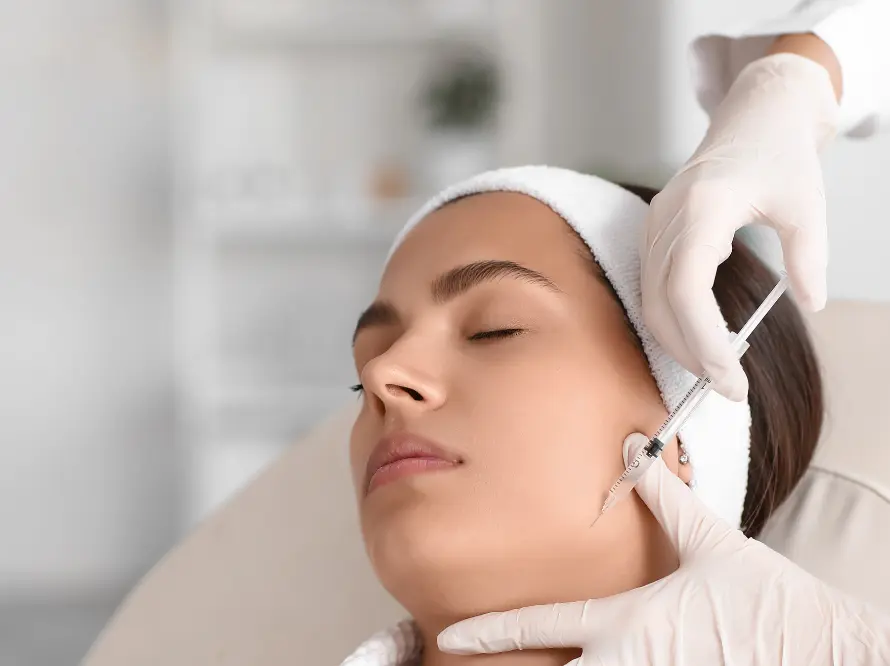
Botox treatment works through a process known as neuromuscular blockade. After injection, the toxin attaches to nerve endings within the targeted muscle. It blocks the release of acetylcholine, a chemical messenger that triggers muscle contractions.
Without this signal, the muscle can no longer contract as strongly as before, even when you try your hardest to create the facial expression as normal; how frozen it becomes is determined by the amount of Botox injected.
As the muscle fibres relax, due to inactivity, the overlying skin no longer experiences the dynamic movement that creates skin wrinkles. Over time, skin appears smoother and existing expression lines become less noticeable.
Importantly, Botox does not permanently affect the muscle or nerve. The body naturally repairs the connection between muscles and nerves, allowing facial movement in the area to return gradually. This is why the effects of Botox do wear off over time.
For a full breakdown of what to expect from Botox treatment, have a look at our article Anti-Wrinkle Injections: Your Guide to Safe & Effective Treatment.
How Long Does Botox Last?
When asking how long does Botox last, it helps to know that most people start noticing changes in movement and visible results within three to five days, with full effects on the muscles in place after approximately two weeks.
Botox duration varies, but once established, the effects of a botulinum toxin treatment typically last between three and four months. Some people may experience results for as little as two months, while others notice benefits for up to six. It’s also important to remember that results can vary by brand, too – remember, we said there was no simple answer!
Because of this variability, botulinum toxin manufacturers and aesthetic practitioners expect Botox duration to last three to four months, based on average experiences. If you experience an unusually short Botox duration, your practitioner may suggest trying a different brand of botulinum toxin for your next treatment; however, there may be other underlying reasons that will explain why you’re metabolising it more quickly.
What is The Botox Wear Off Timeline?
Although every patient’s experience is different, the botox wear off timeline usually follows a similar, predictable pattern for everyone. This will help you understand how long Botox might last for you.
- During the first few weeks, muscle activity is significantly reduced, and wrinkles appear smoother.
- Between two and three months, the treatment remains near its peak effect.
- From three to four months, nerve signals gradually begin to return, and muscle movement slowly increases.
- By four to six months, most muscle activity has returned, and repeat treatment may be considered if appropriate.
The return of movement is gradual rather than sudden. Many people notice an increase in facial expression before wrinkles become fully visible again; this is the perfect time to book another appointment if you want to maintain a seamless result.
What Factors Affect Botox Duration?
Several biological and lifestyle factors influence how long Botox lasts, as well as the details of your individual appointment.
Dosage
Using an appropriate Botox dose is important for both effectiveness and longevity. Under-treatment may lead to shorter-lasting results, while over-treatment can create an unnatural appearance (the ‘frozen’ look) and increase the risk of unwanted effects such as compensatory wrinkling and muscle atrophy with prolonged inactivity. A skilled medical practitioner will tailor the dosage to your anatomy and treatment goals to achieve the most longevity and best physical results possible.
Treatment Area, Muscle Strength and Size
Different muscles respond to and metabolise Botox differently depending on their activity. For example, the effects of Botox on crow's feet may wear off slightly faster because the muscles around the eyes (the orbicularis oculi) are frequently in motion when squinting and smiling.
Stronger, more active facial muscles typically require more botulinum toxin units to achieve a satisfactory effect, and may regain movement more quickly as they metabolise the Botox faster. This is particularly relevant if you are a person who frowns a lot, for example.
Metabolism
People with faster metabolic rates often process Botox treatments more quickly. Younger individuals and those with highly active lifestyles, including sportspeople, may notice that results wear off sooner than average.
Lifestyle
Lifestyle choices, including poor diet and/or exercise, stress, sun exposure, and smoking, all negatively impact Botox duration and how effective it is.
Previous Treatments
Over time and with regular treatment, the correct dose will retrain the muscles to contract less intensely, maintaining subtle, natural facial movement with reduced visible wrinkles, without risking muscle weakening or causing atrophy. This approach can allow for longer intervals between treatments for some patients as the targeted muscles become less active with repeated relaxation.
Can You Make Botox Last Longer?
Many people search for advice on how to make Botox last longer. Unfortunately, no scientifically proven method can dramatically extend the lifespan of treatment.
Some studies [GE1] have investigated the use of zinc supplementation to extend Botox duration. Zinc is an essential mineral required by many bodily processes. Botox also relies on zinc, as it helps the process of binding and blocking the nerve signals that cause muscle contractions.
Realistically, study findings showed that using zinc supplements to prolong the effects of Botox made the most significant difference for people who already had an existing, undetected zinc deficiency. For these people, the effects of Botox would already have been compromised or lessened by the lack of zinc in their system, and the zinc supplements would bring the longevity of effects back up to average, rather than truly prolonging them.
Zinc supplementation is not guaranteed to affect treatment longevity for everyone and might be a waste of money.
Improving How Long Botox Lasts for with Lifestyle Changes
Maintaining good skin health through sun protection, avoiding smoking, and following a healthier lifestyle that boosts your immune system may help preserve your overall results. However, these measures do not stop the natural recovery of nerve function.
The body will always try to recover nerve function following Botox treatment in just the same way as it heals a cut on your finger. The body's repair process is natural and unavoidable, which is why there is always a natural Botox wear off timeline. No cream, supplement or home remedy can prevent it.
Common Myths About How to Make Botox Last Longer
There are many other common misconceptions and urban myths about how to make Botox last longer, but sadly, they are just that: myths. Here are some that we can debunk:
- Exaggerated and repeated facial exercises do not make Botox last longer.
- Massaging the area after treatment does not improve results or make Botox last longer. In fact, it can have the opposite effect.
- Getting more Botox units/a higher treatment dose than recommended does not make Botox last twice as long. In fact, a frozen look can cause unwanted compensatory movement in other muscles, creating an unnatural look, without extending longevity.
- Increasing the frequency of repeated treatment, by shortening the gap between appointments, beyond professional recommendations, does not permanently extend longevity. In fact, it can cause so-called Botox immunity or resistance and reduce treatment efficacy.
Choosing a Safe Botox Provider
Choosing the right practitioner is the most important part of making an informed decision about going ahead with Botox treatment. Safety is also key because complications can occur if injections are performed incorrectly. These may include:
- asymmetry (lopsidedness)
- unwanted muscle weakness elsewhere
- eyelid drooping
- unsatisfactory aesthetic outcomes
When administered by a trained and qualified healthcare professional following a thorough consultation, botulinum toxin type A (available as various licensed brand names, including Botox) has an established safety profile. The key to safe treatment is not simply choosing a clinic based on price or convenience. You should ensure that your practitioner has the appropriate medical qualifications, training, experience, and insurance.
In the UK, Botox is a prescription-only medicine. This means a face-to-face consultation with an authorised prescriber should ALWAYS form part of the treatment process. Your prescriber and practitioner should assess your medical history, discuss potential risks and the realistic expectations for outcomes and Botox duration, and ensure the treatment is suitable for you. They should also explain the botox wear off timeline and never pressure you into unnecessary treatment.
Save Face is the UK's leading register of accredited aesthetic medical practitioners. Every clinic and practitioner listed in our database has undergone a robust assessment process, including verification of medical qualifications, inspection against recognised standards, and regular review.
If you’re considering Botox treatment, searching the Save Face register can help you find a trusted and accredited medical aesthetic practitioner who places patient safety at the centre of their practice.
Categories
Related news articles