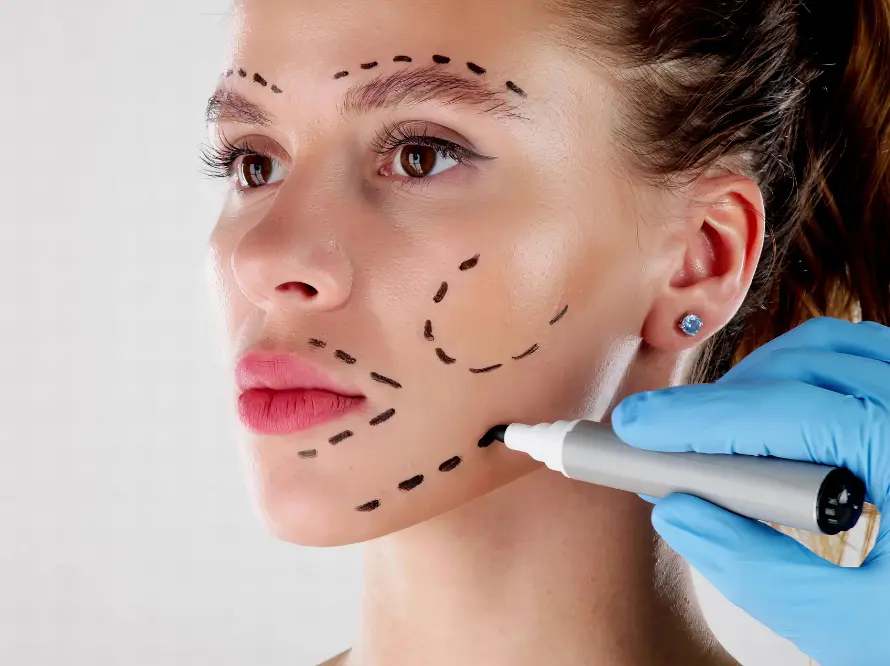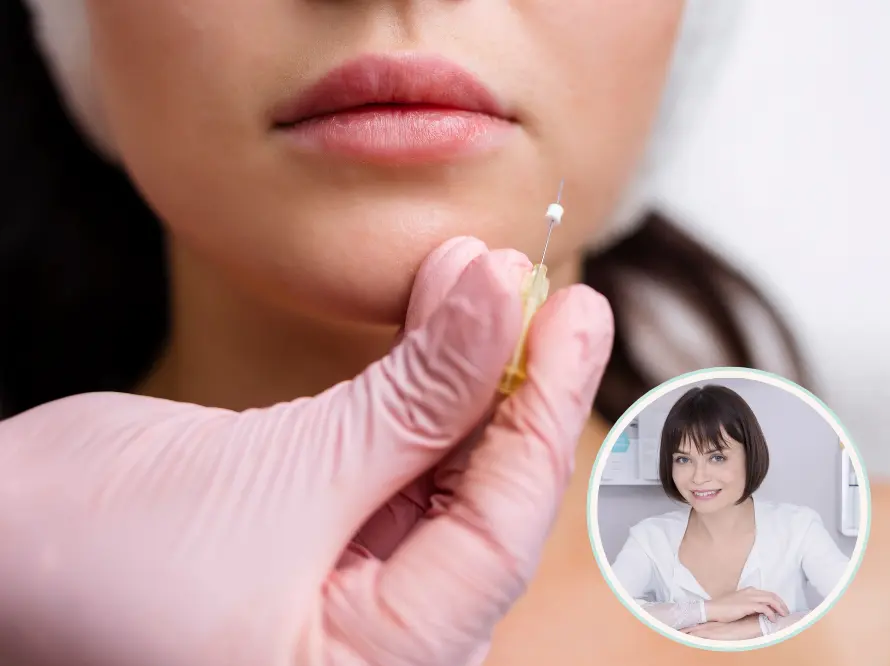


Social media often presents PDO threads and thread lifts as a quick alternative to plastic surgery, promising a snatched jawline, lifted cheeks, and younger-looking, smoother skin with little recovery time. While PDO thread lifts can produce good results for carefully selected patients, they are not a replacement for a surgical facelift, and they are not without risk.
Understanding what non-surgical face lift options can realistically achieve, who should perform them, and possible PDO thread lift complications will help you make a safer, more informed decision as to your treatment plan.
What Are PDO Threads?
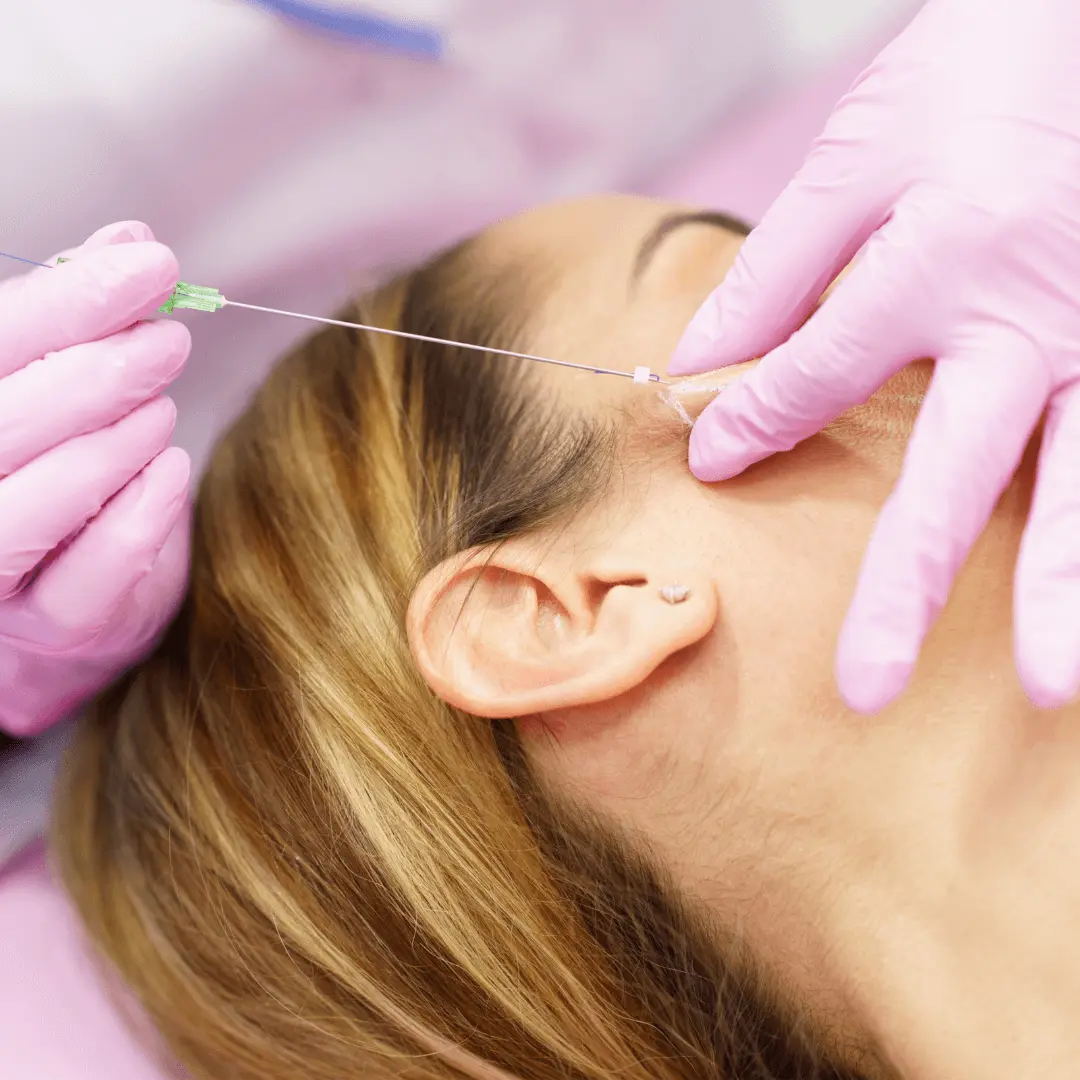
PDO threads are fine, dissolvable sutures made from polydioxanone, a material that has been used safely in surgery for many years. During treatment, the PDO threads are inserted beneath the skin using either a fine needle or a blunt cannula in parallel lines or mesh-like patterns.
Depending on the type, thickness, and length of thread used, there are two approaches to this treatment. The first is that the thread may simply stimulate collagen production in situ through controlled trauma that initiates a wound healing response.
The second method is for them to be pulled upwards or outwards and used to physically reposition skin by locking small barbs, hooks, or cogs into the tissue to maintain a lifted position while encouraging the body to produce new collagen around them, which helps to improve skin firmness after the threads themselves have disappeared.
PDO threads gradually dissolve over approximately six months, just like dissolvable stitches from surgery.
Polydioxanone is not the only choice for non-surgical face lift options. Other thread lift materials (including Poly-L-Lactic Acid (PLLA) and Polycaprolactone (PCL)) work similarly, but vary in how quickly they dissolve over time, lasting between a year and three years, respectively.
What are PDO Threads Used to Treat?
Thread lifts are commonly used to improve mild to moderate skin laxity around the cheeks, jawline, jowls, neck, and brows. Treatment is most suited to men and women aged between 35 and 65 who have early signs of ageing rather than significant loose skin, which would merit a surgical facelift.
How Long Does PDO Threads Last?
PDO thread lift results are temporary, which is one of the key differences between PDO threads and a surgical facelift. The threads themselves usually dissolve gradually over around six months, but the visible lifting and skin-firming effect may last between six and 12 months, depending on your skin quality, the number and type of threads used, your age, lifestyle, and how well you follow your practitioner’s aftercare advice.
Results usually fade gradually rather than disappearing suddenly. You might, therefore, opt for semi-regular maintenance treatments to keep up the effects. If you choose this option, remember that repeated thread lifts should still be approached carefully and discussed with a qualified medical practitioner.
PDO Thread Lifts Are Not a Surgical Facelift
One of the biggest misconceptions surrounding thread lifts is that they deliver the same result as plastic surgery. This is not the case.
A surgical facelift removes excess skin, repositions deeper facial tissues that connect the facial muscles to the skin layers, including the SMAS (superficial musculoaponeurotic system), and provides more dramatic, longer-lasting correction for up to a decade.
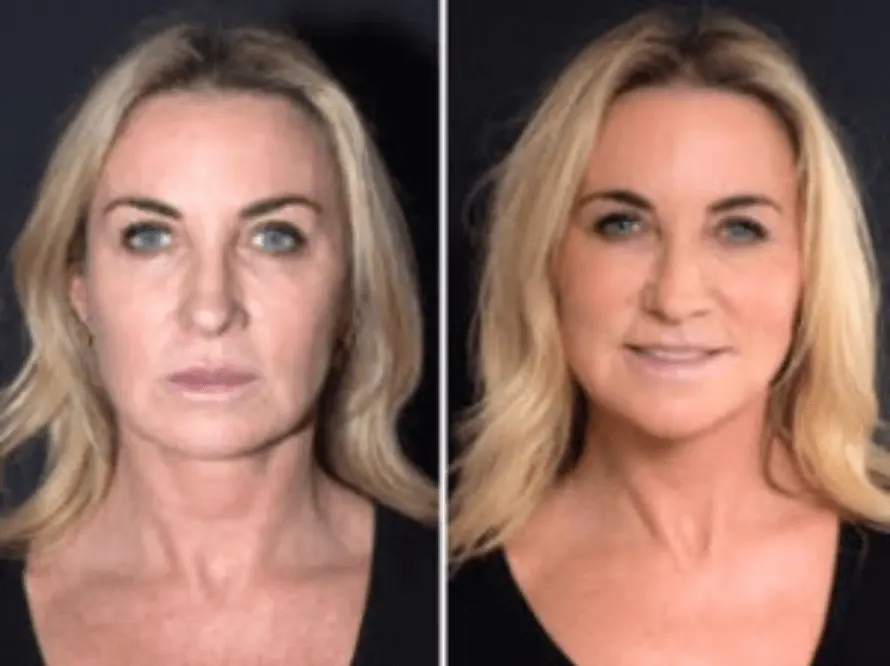
PDO threads offer a modest lift and gradual improvement in skin quality through collagen stimulation. Results are temporary and typically last between 6 and 12 months, although collagen remodelling may continue beyond this point. Anyone with significant skin laxity or heavy jowls is unlikely to achieve the results they are hoping for with a thread lift alone.
If a clinic promises facelift results without surgery, offering a thread lift in its place, this should be treated as a red flag, as they are two different treatments that yield different results.
How much do PDO threads cost?
PDO threads’ cost varies depending on the area being treated, the number of threads required, the practitioner’s qualifications, and the clinic location. In the UK, PDO thread lifts commonly cost several hundred pounds per area, with more extensive treatments often reaching £1,000 or more. London clinics can typically be expected to be more expensive, particularly for full-face, jawline, neck or combined treatments.
Finding a lower price should never be the deciding factor for where and with whom you get your treatment. Remember that your fee is for more than the results, as it will include access to a thorough consultation, qualified professional, treatment planning, sterile medical equipment, appropriate aftercare, and access to support if complications occur.
Understanding The Risks of PDO Thread Lifts
Like any cosmetic procedure, thread lifts carry potential risks and complications.
Some temporary effects and downtime are expected post-procedure, including:
- bruising
- swelling
- tenderness
- mild skin puckering at the insertion points
The skin puckering should only last for the first couple of weeks as the tissues settle into their lifted positions. These symptoms usually improve without intervention as part of the healing process.
However, PDO thread lift complications can occur, particularly when treatment is performed by someone who doesn’t have appropriate medical training or facial anatomical knowledge.
Potential complications include:
- thread extrusion, where the thread becomes visible through the insertion point in the skin
- infection
- prolonged puckering
- facial asymmetry or lopsidedness
- dimpling
- thread migration
- chronic pain
- unsatisfactory cosmetic results
In some cases, surgical removal of the threads may be required, alongside antibiotic treatment for infection or solutions for scar management.
Your face contains a complex network of blood vessels, nerves, and supporting ligaments that must be understood to avoid adverse effects. Correct placement of threads requires detailed facial anatomical knowledge that cannot be gained through a short training course; the safest approach to any procedure is to ensure your practitioner is legitimate.
Why Choosing the Right Practitioner for PDO Threads Matters
One of the greatest safety concerns in aesthetics is not the treatment itself, but who’s performing it.
Although non-surgical PDO thread lifts are increasingly marketed by beauty businesses, they should only be carried out by appropriately qualified healthcare professionals who understand facial anatomy, can recognise complications early, and are trained to manage medical emergencies.
In England, thread lifts performed by registered healthcare professionals fall under regulation by the Care Quality Commission (CQC). Unfortunately, many non-medical establishments fall outside this regulatory framework, leaving patients exposed to greater risk.
A thorough consultation should always include your medical history, a discussion about realistic outcomes, possible risks, aftercare requirements, and alternative treatments if PDO threads are not the most appropriate option. If your consultation feels rushed or focuses more on selling treatment than assessing your suitability, it should register as a red flag and be reason enough to seek another opinion.
Are there other non-surgical face lift options?
It’s understandable to want to find non-surgical face lift options that avoid surgery but still produce natural improvements and skin lifting, but that doesn’t have to be from thread lifts.
Depending on your concerns, your practitioner may recommend wrinkle-relaxing injections, volume replacement and contouring with dermal fillers, skin boosters and collagen-stimulating treatments for natural tissue regeneration and hydration, or radiofrequency and ultrasound-based skin tightening. In many cases, combining aesthetic treatments provides a more balanced and natural result that improves lift, tone, and skin texture for full facial rejuvenation, rather than relying on PDO threads and thread lifting alone.
The right approach will depend on your facial anatomy, skin quality, and long-term goals, and you should not be swayed by treatments currently trending online.
Thread Lift Safety in the UK
If you have your heart set on exploring PDO threads, then ensuring thread lift safety in the UK should be your priority rather than finding the cheapest provider.
Before booking, check that your practitioner is a registered healthcare professional with appropriate qualifications, insurance, and advanced training in thread lifting procedures.
Ask where the procedure will be performed (this should be a CQC-registered premises if the clinic is in England), what aftercare is included, and how complications would be managed if they occur. Don’t worry about feeling awkward or nosy when asking questions; it’s essential for your safety.
Non-surgical face lift options and PDO threads should never be treated like a beauty appointment. They are medical treatments that deserve medical standards of care.
How Save Face Helps You Choose Safely
Choosing the right practitioner is one of the most important decisions you will make.
Save Face independently assesses practitioners and clinics through a comprehensive accreditation process, checking qualifications, training, insurance, clinical standards, product sourcing, and patient safety procedures before they are listed, including registration with the CQC where relevant. This gives patients greater confidence that they are choosing someone who meets recognised standards of safe practice.
If you’re considering PDO threads, start by finding a Save Face-accredited practitioner. A thorough consultation with a qualified medical professional will help you understand whether the treatment is right for you, what results are realistically achievable, and how your safety will be protected throughout your journey.
Categories
Related news articles