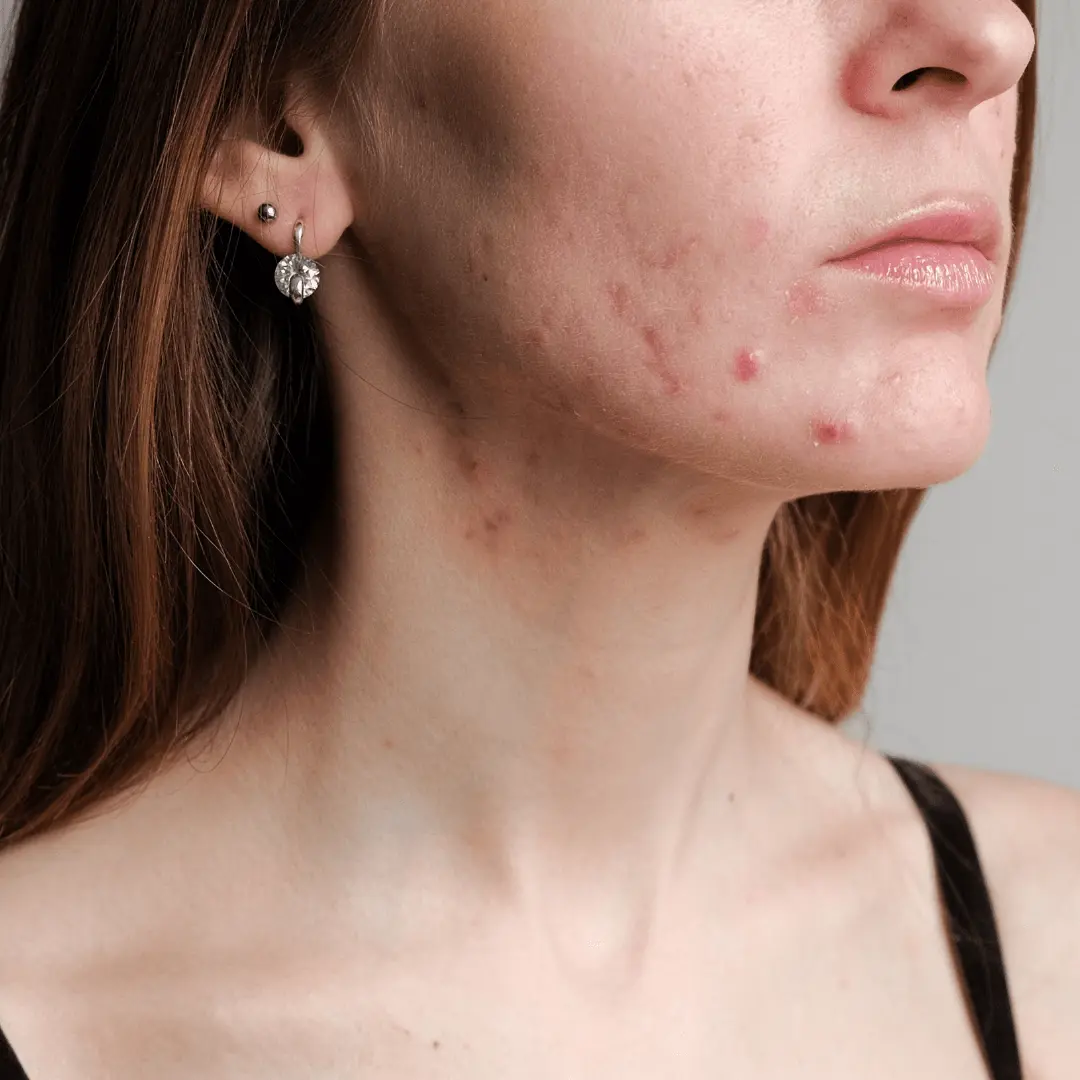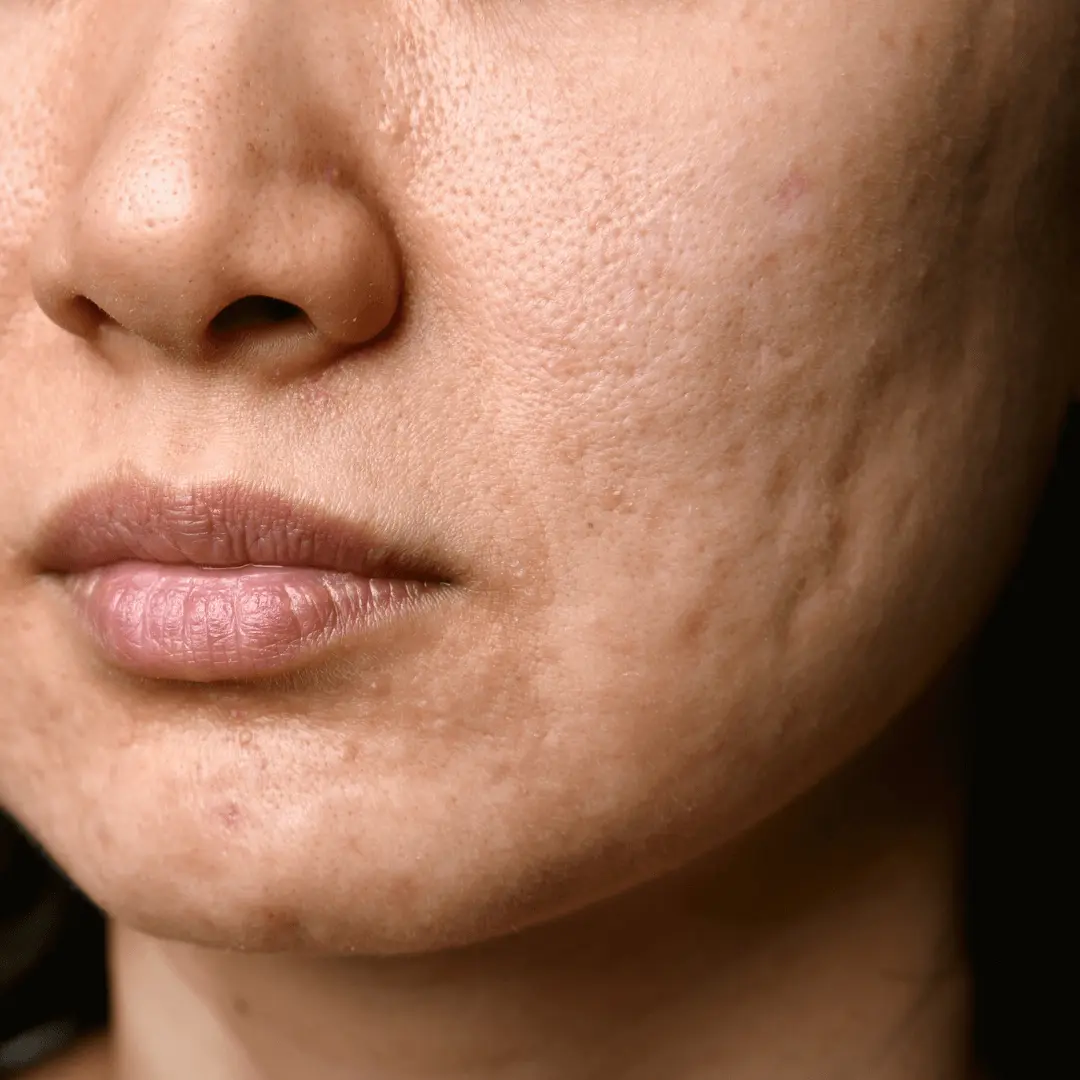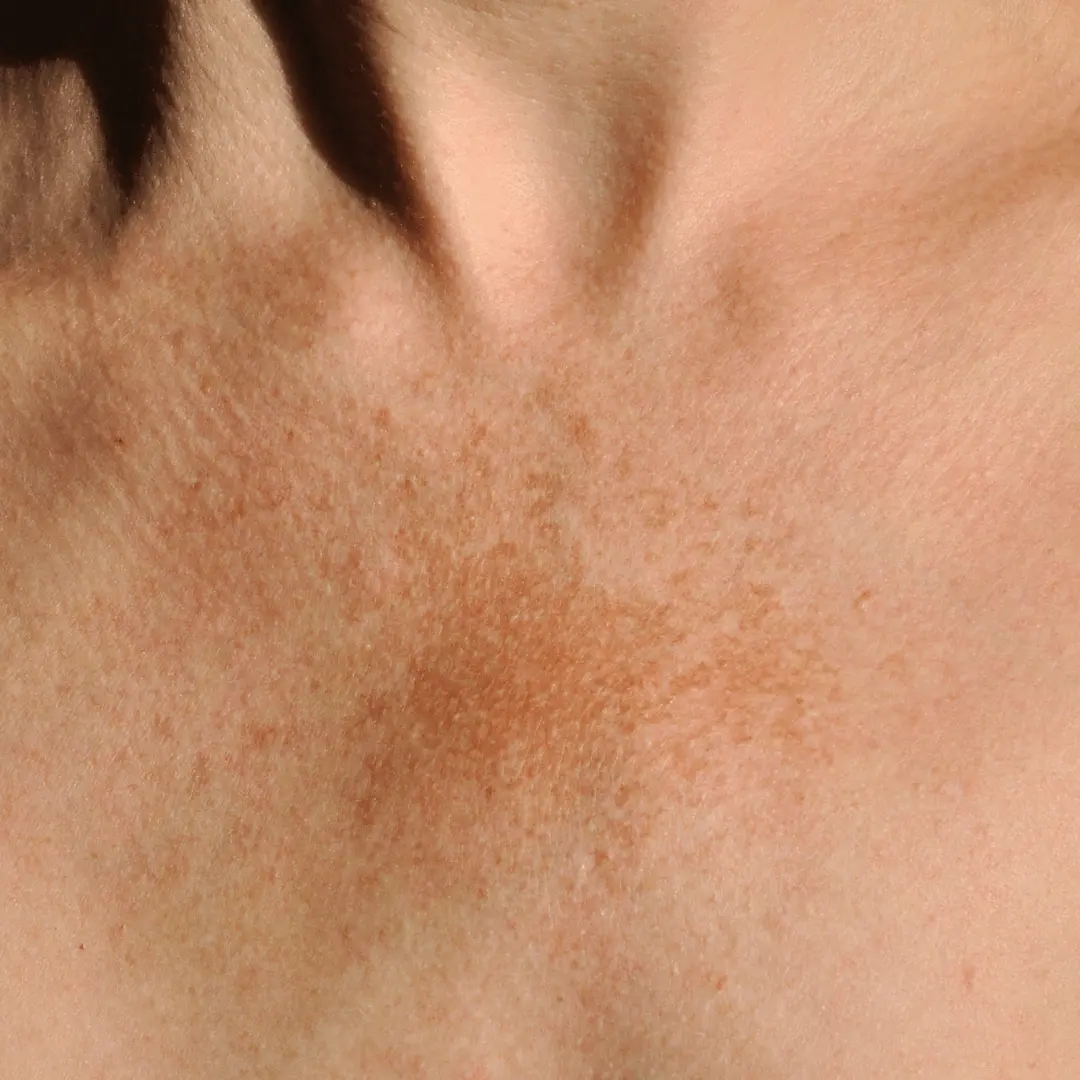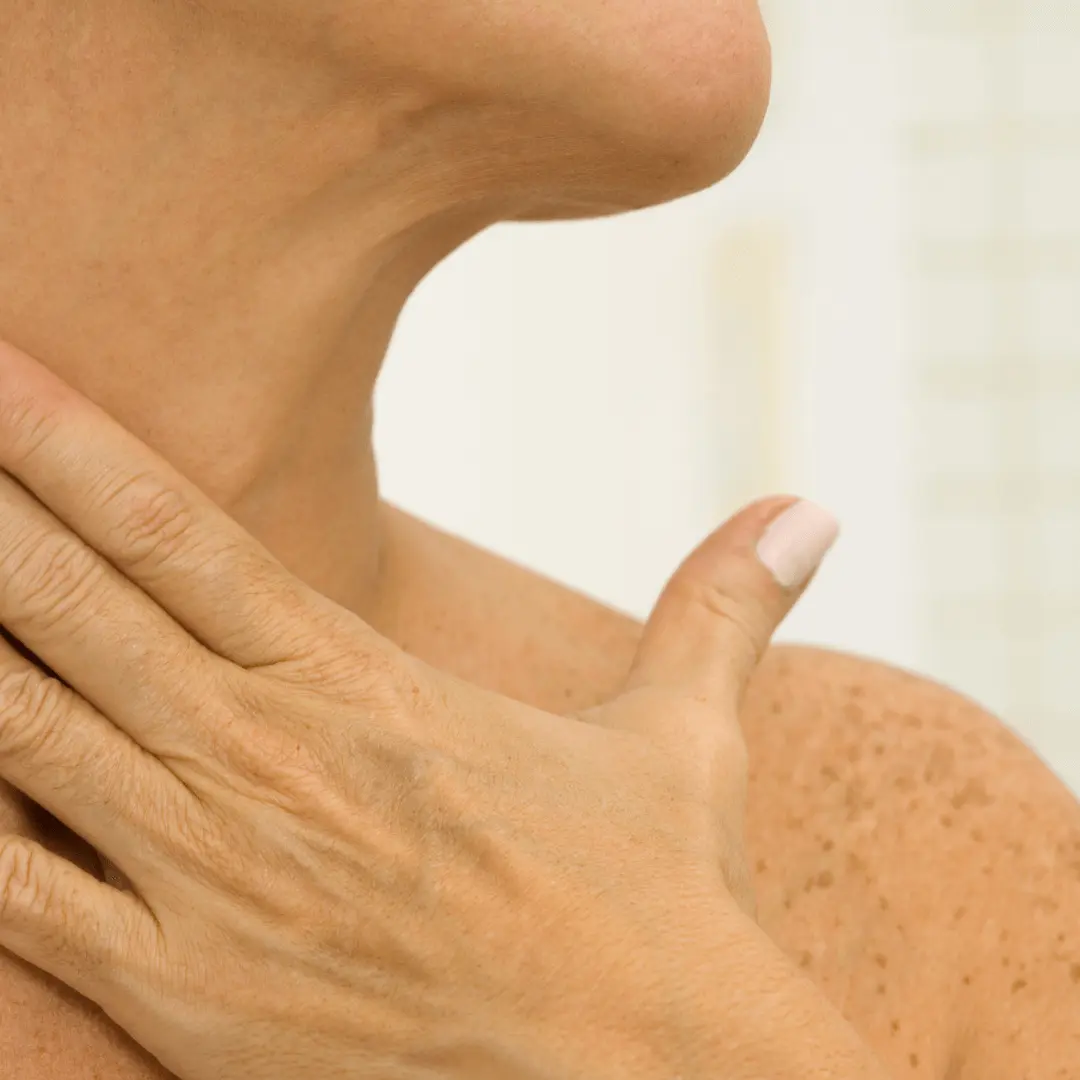


Retinoids are often described as the gold standard in topical skincare for acne and photo ageing. Two of the most commonly prescribed prescription retinoids are adapalene and tretinoin. They are related, but not identical, and understanding the difference helps you choose the safest and most effective option for your skin.
This guide explains how adapalene and tretinoin work, adapalene vs tretinoin for acne and anti ageing, key side effects, what to avoid, and how to use them safely alongside aesthetic treatments.
What Are Adapalene And Tretinoin?
Both adapalene and tretinoin are topical retinoids. They are vitamin A derivatives that speed up skin cell turnover and influence how skin cells grow and shed.
-
Tretinoin (all trans retinoic acid)
- First generation retinoid
- Licensed in the UK mainly for acne
- Widely used off label for signs of photo ageing (fine lines, uneven tone and texture)
- Prescription only
-
Adapalene
- Third generation synthetic retinoid
- Designed to bind more selectively to certain retinoid receptors in the skin
- Licensed in the UK for mild to moderate acne, often in combination with benzoyl peroxide
- Generally prescription only in the UK
Both are medicines, not cosmetic creams, and should be used under medical supervision.
How Do Adapalene And Tretinoin Work?
Retinoids share several key actions:
-
Normalise shedding of skin cells
Prevent build up of dead cells inside pores and reduce blackheads and whiteheads. -
Reduce inflammation
Helpful in inflammatory acne and some types of redness. -
Improve cell turnover and collagen production
Over time this can soften fine lines, smooth texture and fade some pigment changes caused by sun damage.
Tretinoin acts on multiple retinoid receptors and is generally more potent and more irritating. Adapalene is more selective (mainly RAR beta and RAR gamma), which is one reason it is often slightly better tolerated.
Adapalene vs Tretinoin For Acne
How effective are they for acne?
Both adapalene and tretinoin are effective acne treatments:
-
Adapalene for acne
- Common first line retinoid for mild to moderate acne
- Often prescribed with benzoyl peroxide in fixed combination products
- Suitable for both comedonal acne (blackheads and whiteheads) and inflammatory lesions
-
Tretinoin for acne
- Effective for comedonal and inflammatory acne
- Often considered when acne is more persistent, or when other topicals have failed
- Used alongside other prescription treatments in more complex cases
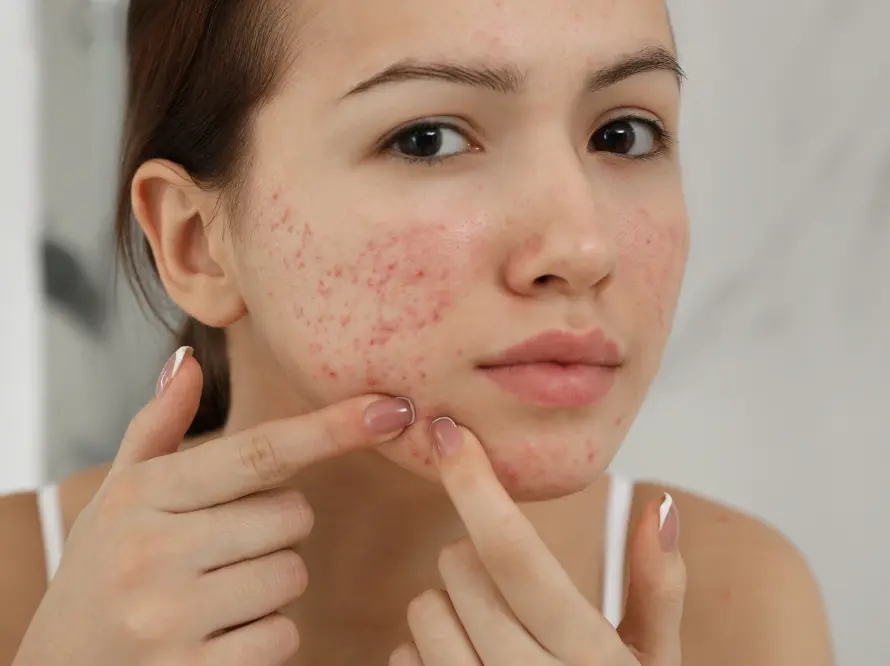
Head to head studies generally show similar levels of acne improvement, with the main differences in tolerability.
Which is better tolerated?
Both can cause:
- Dryness and flaking
- Redness
- Stinging or burning, especially in the first 4 to 8 weeks (often called the retinisation period)
Many studies show adapalene causes slightly less irritation than tretinoin at equivalent strengths, so dermatologists often start with adapalene for people with more sensitive skin or first time retinoid users.
Adapalene vs Tretinoin For Anti Ageing
In the UK, tretinoin is the retinoid most often used off label for anti ageing:
-
Tretinoin for wrinkles and sun damage
- Strong clinical evidence for improving fine lines, mottled pigmentation and texture over many months
- Considered the best studied topical retinoid for photo ageing
-
Adapalene for anti ageing
- Less extensively studied for anti ageing than tretinoin, but early evidence suggests it can improve texture and pigmentation
- Often considered where acne and early signs of ageing co exist, or if tretinoin is not tolerated
Neither adapalene nor tretinoin provides instant results. Improvement in wrinkles, texture and sun damage typically takes at least 3 to 6 months of consistent use and must be combined with strict daily sun protection.
Which Is Stronger: Adapalene Or Tretinoin?
Strength depends on:
- The molecule (tretinoin vs adapalene)
- The concentration (for example 0.025, 0.05 or 0.1 per cent)
- The formulation (cream, gel, lotion)
Broad rules:
- Tretinoin is usually more potent per percentage and more likely to irritate.
- Adapalene is more targeted in its receptor binding and is often slightly gentler at comparable strengths.
The best retinoid is not simply the strongest. It is the one you can use consistently, at an appropriate strength, with benefits that outweigh side effects.
Side Effects And Safety
Common side effects of both adapalene and tretinoin:
- Redness, peeling, dryness, tightness
- Temporary worsening of acne in some patients (purging)
- Increased sensitivity to the sun
Less common but important:
- Eczema like irritation or contact dermatitis
- Post inflammatory hyperpigmentation, particularly in darker skin tones if used aggressively or combined with strong procedures
- Eye and mucous membrane irritation if applied too close to eyelids, nostrils or mouth
Tretinoin and adapalene are not recommended during pregnancy or breastfeeding. If you are trying for a baby, planning treatment, or already pregnant, discuss this with your prescriber before starting or continuing any topical retinoid.
Things To Avoid When Using Adapalene Or Tretinoin
Because retinoids make the skin more fragile and sensitive, certain products and behaviours can significantly increase irritation and risk.
Avoid the following while using adapalene or tretinoin:
1. Unprotected sun exposure
Retinoids increase photosensitivity. UV exposure on retinoid treated skin can lead to:
- Burning and redness
- Pigment changes and brown patches
- Premature ageing, which undermines the point of using a retinoid in the first place
What to do:
- Use a broad spectrum SPF 30 to 50 every day, even in winter
- Reapply if outdoors for long periods
- Avoid sunbeds completely
2. Harsh scrubs and physical exfoliants
Grainy scrubs, stiff brushes and rough cloths can:
- Damage the skin barrier
- Worsen redness and peeling
- Increase the chance of post inflammatory pigmentation
Choose gentle, fragrance free cleansers and avoid physical exfoliation on retinoid treated areas.
3. Strong acids and multiple active products
Layering prescription retinoids with:
- Daily glycolic, lactic or salicylic acid toners
- At home chemical peels
- Multiple “brightening” serums
often leads to over exfoliation, irritation and pigment problems.
Ask your prescriber which products to pause or reduce, and avoid stacking strong actives without a clear plan.
4. Waxing and depilatory creams on treated areas
These hair removal methods can:
- Tear or burn sensitised skin
- Prolong redness and irritation
If you need hair removal on the face, check timing and method with your prescriber or aesthetic practitioner.
5. Fragranced and foaming cleansers
Perfumed products and harsh foaming agents can strip the skin barrier. On retinoid treated skin this can result in:
- Increased stinging
- Eczema like rashes
- Slower healing
Use bland, non foaming, fragrance free cleansers and moisturisers.
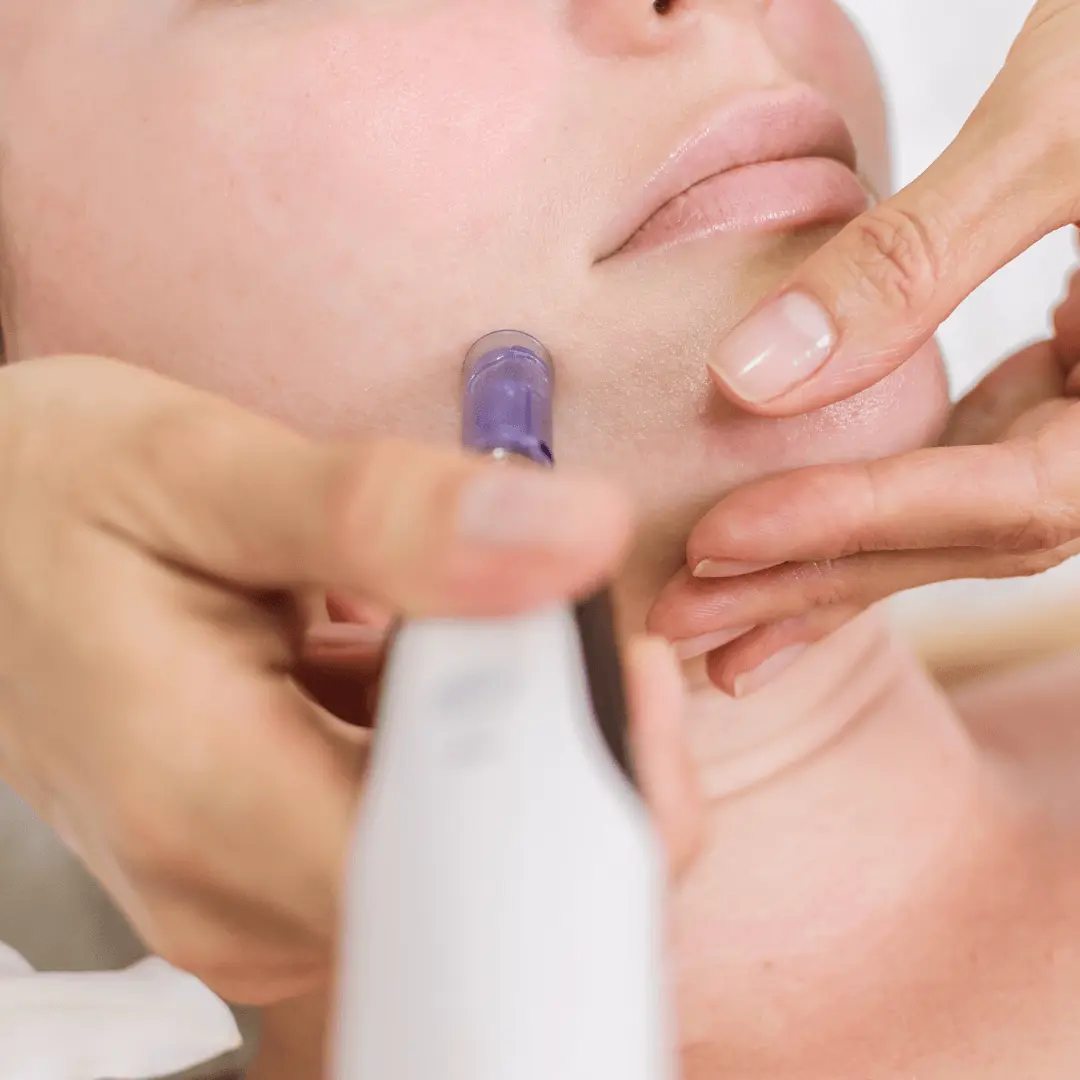
6. DIY peels and home microneedling devices
At home chemical peels, dermarollers and microneedling pens on retinoid treated skin greatly increase the risk of:
- Burns and scarring
- Infection
- Long term pigment changes
These procedures should only be carried out by trained professionals, with your retinoid use factored into the treatment plan.
7. Going too fast or using too much
Starting with a strong retinoid every night or using more than a pea sized amount will not speed your results, but it will:
- Increase irritation
- Raise the chance you have to stop altogether
Introduce slowly and follow the schedule set by your prescriber.
Adapalene, Tretinoin and Aesthetic Treatments
Using adapalene or tretinoin while also having in clinic aesthetic treatments can be done safely, but it needs careful planning.
Retinoids can increase the risk of burns, prolonged redness and pigmentation when combined with:
- Chemical peels
- Microneedling and skin needling
- Laser and intense pulsed light (IPL)
- Strong at home exfoliants
Safe practice includes:
- Always tell your aesthetic practitioner and prescriber about any retinoid use
- Stopping retinoids for an appropriate period before and after certain procedures, based on medical advice
- Avoiding aggressive combinations unless your care is clearly coordinated by a medically qualified practitioner who understands both prescriptions and procedures
If a practitioner does not ask about your skincare and retinoid use before performing peels, microneedling or laser, that is a concern.
How To Choose Between Adapalene And Tretinoin
There is no universal best retinoid. General guidance:
-
Adapalene may be preferred if:
- Your main concern is mild to moderate acne
- You have sensitive skin or have struggled with retinoids before
- You want a more tolerable starting point
-
Tretinoin may be preferred if:
- Your acne is more persistent or comedonal and has not responded to milder options
- You and your prescriber are also targeting clear signs of sun damage and photo ageing
- You accept more dryness and peeling in exchange for potentially greater effect
The right choice should follow a proper medical consultation, with a product and strength tailored specifically to your skin and your long term goals.
Questions To Ask Before Starting Adapalene Or Tretinoin
Before starting any prescription retinoid, ask your practitioner:
- What exact product, strength and formulation are you prescribing, and is it mainly for acne, anti ageing or both?
- How often should I use it at the beginning, and how will I increase frequency?
- Which cleanser, moisturiser and sunscreen should I use with it?
- Which existing products should I stop or change (acids, scrubs, peels, retinol serums)?
- How long should I pause this before and after peels, microneedling or laser?
- What should I do if I get severe redness, stinging, burning or dark marks?
If you are not given clear instructions, or you are encouraged to combine several strong treatments and products at once, consider seeking a second opinion.
How Save Face Can Help
Adapalene and tretinoin can significantly improve acne and photo aged skin when they are:
- Prescribed appropriately
- Monitored over time
- Combined with a sensible skincare routine
- Safely integrated with any in clinic aesthetic treatments
Problems arise when they are bought online without supervision, used casually, or stacked on top of aggressive procedures by unqualified providers.
Save Face independently accredits healthcare professionals who provide non surgical cosmetic treatments in safe, regulated settings. Our standards cover:
- Medical qualifications and prescribing practice
- Treatment planning, consent and aftercare
- Safe product sourcing, storage and record keeping
- Recognition, management and referral of complications
If you are considering prescription retinoids, chemical peels, microneedling or other aesthetic procedures, start by choosing a practitioner who understands how to use these treatments together safely.
Use the Save Face register to find an accredited medical practitioner near you:
https://www.saveface.co.uk/en/find-a-practitioner
Categories
Related news articles