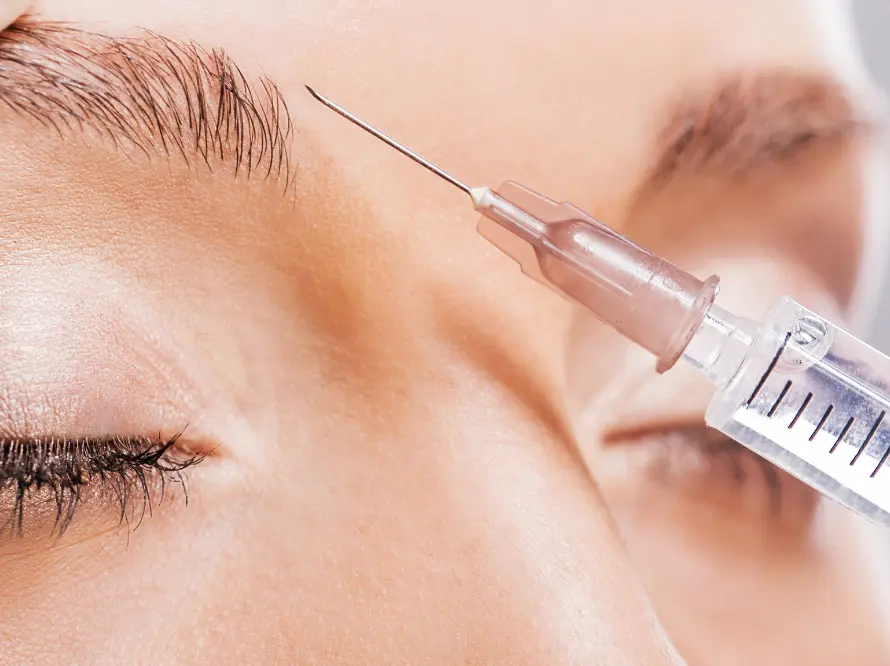


Tear trough correction, or under-eye filler, is a very popular aesthetic treatment in the UK that reduces or softens a tired look, characterised by heavy under-eye shadows (dark circles). It can also improve the appearance of hollowing beneath the eyes, which exacerbates shadowing.
Due to its popularity, tear trough correction has become widely available and promoted by medic- and non-medic-led aesthetic clinics across the nation. However, the tear trough is one of the most technically demanding areas to treat safely; hence, choosing the right practitioner is vital.
The region under the eye contains delicate anatomy. It is made up of major blood vessels or arteries, many of which supply blood to the cheeks, eyelids and nose, overlayed with very thin skin. This means poor technique or inappropriate treatment in this area can lead to serious complications, especially given the obvious proximity to the eye.
If you are researching tear trough filler, understanding under-eye filler safety should be your main priority.
What is the tear trough?
The tear trough is a highly complex anatomical region. It sits between the lower eyelid and the upper cheek, starting at the inner corner of the eye (by the tear duct), and running along the underside of the eye.
To the untrained, it might look like an empty groove or hollow that can be easily filled with an injectable dermal filler product. This is the first mistake. The tear trough contains multiple fat pads, lymphatic vessels for draining fluid that would otherwise cause puffy eyes, muscles and ligaments involved in opening the eye, and blood vessels, all of which interact closely beneath the extremely thin skin.
What is tear trough filler?
Dark circles may occur or be worsened as a result of one or a combination of the following:
- hollowing
- your underlying bone structure
- excess pigmentation
- visible blood vessels beneath the thin skin
- allergies
- genetics
- lifestyle factors, including smoking
Tear trough filler only improves the darkness caused by shadowing from volume loss. It does not remove pigmentation.
What is the best filler for dark circles?[GE1]
You would be forgiven for thinking you need to search for the best filler for dark circles, but there isn’t a single go-to product that works for everyone or treats all tear trough presentations, despite some brands being marketed specifically for use in the delicate eye area. The right treatment depends on a combination of the right product, the right practitioner (and skills), and the cause of the darkness or shadowing under your eye.
Most reputable clinics owned and operated by registered medical practitioners (doctors, dentists, nurses, independent prescribing nurses, and prescribing pharmacists) use hyaluronic acid-based fillers in the tear trough area because they are reversible if complications occur. Hyaluronic acid can be dissolved using an enzyme called hyaluronidase. This is a major safety advantage for this risky treatment, but it does require a practitioner who can prescribe hyaluronidase, which is a prescription-only medicine.
The dermal filler product itself is only one part of the equation, and your practitioner will choose the best one for you. Training, experience, anatomical knowledge, and complication management skills are far more important than the product’s brand name or whether it is the “best filler for dark circles”.
What are the risks of tear trough filler?
Even a small amount of hyaluronic acid-based filler product, placed incorrectly, can create chronic or delayed visible swelling and puffiness (because it naturally draws in extra water), lumps, or a bluish appearance through the thin skin, known as the Tyndall effect.
More seriously, injecting filler directly into a blood vessel or placing it in large boluses or droplets that compress a blood vessel can lead to vascular occlusion or vascular compression, meaning the blood supply becomes blocked or compromised.
In rare cases, and if left untreated as an emergency, this may result in tissue damage/death (necrosis) or even blindness, if the filler gets into vessels that travel into the eye itself.
A trained medical practitioner understands not only how to inject filler products, but also when and where not to treat. Some patients are simply unsuitable for tear trough filler from the get-go because of increased fluid retention, excessive skin laxity under the eye, prominent or protruding eye bags, or other underlying medical factors. In those cases, filler will likely worsen the appearance of the tear trough rather than improve it.
Understanding tear trough filler complications[GE2]
All aesthetic procedures and injectable treatments carry risks. Honest practitioners should discuss these openly with you during a thorough consultation, taking a full medical history and providing patient information documentation, rather than dismissing risks or trivialising them, even pointing out that blindness is a very rare risk. You should never feel pressured into immediate treatment; if you need time to go away and think about it after the consultation, this should be an option.
Upon your consent to proceed with treatment, the practitioner should inject in a way that mitigates these risks and the likelihood of your experiencing a complication or adverse event.
The most serious tear trough filler complication or adverse event is vascular occlusion. This occurs when filler blocks blood flow within a vessel. Early warning signs can include severe, immediate pain (often during the treatment), blanching or whitening of the skin, mottled discolouration after some time (called livedo reticularis), or vision changes. Immediate medical treatment is essential to avoid potential damage to the eye.
This is why under-eye filler safety depends heavily on choosing a qualified medical professional who can not only mitigate complications but also recognise and manage them quickly. The practitioner should have emergency protocols in place, access to prescription medicines such as hyaluronidase, and the clinical training required to respond appropriately.
What are the side effects of tear trough correction?[GE3]
Complications are not the same as post-treatment side effects. Common short-term side effects from tear trough filler include bruising, swelling, tenderness, and mild asymmetry. These usually settle within a few days or up to two weeks as the product integrates into your tissue.
More significant tear trough filler complications can include persistent swelling, visible filler, irregular texture, infection, and filler migration into surrounding tissue. Delayed onset swelling is particularly common in the under-eye area because the lymphatic drainage system is easily disrupted. If you experience prolonged adverse effects, always report them directly to the clinic or practitioner.
What happens during recovery from tear trough filler?
Recovery from a tear trough correction procedure can vary; most people will experience some mild swelling for several days, and bruising, if it occurs, may last one to two weeks.
You will be advised to avoid strenuous exercise, alcohol consumption, excessive heat (saunas, steam rooms, etc.), and putting pressure on the area for the first 24 to 48 hours. Sleeping with your head elevated (propped up on extra pillows) can help minimise swelling.
The under-eye area often looks worse before it looks better. This is normal and does not necessarily indicate a problem. After two to four weeks, the area will settle fully, swelling will resolve, and the filler will integrate into the tissue, revealing your true result.
It is important to attend any follow-up appointments offered by your practitioner. Sometimes, small adjustments may be required to achieve the safest and most natural result.
How to choose a safe practitioner for tear trough filler
In the UK, aesthetic treatments remain very poorly regulated. Currently, in 2026, anyone can legally inject dermal filler into another person regardless of their background, even into the tear trough, so research is essential when choosing a clinic.
- Look for a practitioner who is a registered healthcare professional, such as a doctor, dentist, nurse, nurse prescriber, or pharmacist prescriber with advanced aesthetics training.
- Ask about their experience specifically with tear trough filler rather than dermal filler treatments in general. They should have done separate training for the under-eye area.
- Choosing a Save Face-accredited clinic provides an additional layer of reassurance and vetting when seeking safer aesthetic treatment. Choosing a medically qualified practitioner registered with Save Face gives you a far better chance of achieving safe, natural-looking results from tear trough filler while reducing the risk of avoidable complications.
How much does under eye filler cost?
Under eye filler cost in the UK typically ranges from around £350 to £800 per treatment, and prices tend to vary within that range depending on the clinic, practitioner experience, product choice and the amount of filler required. In London, you can expect these prices to generally be higher, often sitting between £450 and £950.
This cost does give you more than the filler itself, as it will cover the full appointment and support surrounding. A reputable clinic should provide a full consultation, an assessment of whether tear trough filler is suitable for you, a clear explanation of risks and alternatives, treatment by an appropriately trained medical practitioner, the use of a suitable hyaluronic acid dermal filler, and aftercare advice. Some clinics also include a review appointment.
Very low prices should be treated with caution. With this procedure, practitioner skill, anatomy knowledge and complication management are far more important than finding a lower under eye filler cost.
Is tear trough filler worth it?
When performed appropriately by experienced medical professionals, tear trough filler can produce a subtle and effective improvement to dark circles and under-eye hollowness. The best results are usually the least obvious; the aim is to restore freshness, so you appear less tired, rather than create dramatic change.
However, this treatment is not low-risk or suitable for everyone. Social media often presents tear trough filler as a quick and simple procedure, but the reality is far more clinically complex.
You should give it careful consideration, prioritise safety over price, convenience, or beauty trends that trivialise its seriousness. The most important thing is to research your practitioner carefully, ask questions about their background, training, and complication management, and seek clinics that meet recognised safety standards.
Categories
Related news articles