

Practitioner Newsletter

The Save Face Assessment Process Explained
Why Accreditation Matters Accreditation isn’t just a badge. It’s proof that you meet the highest standards in aesthetics. Save Face is the most recognised Government approved register that validates...
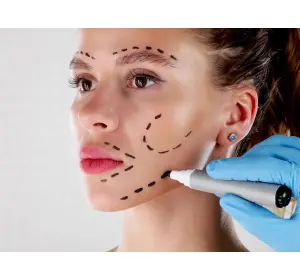
Do facelift patients seem to be getting younger?
Once favoured by more mature ladies, facelift surgery appears to be attracting a much younger crowd, with women as young as 28 turning t the scalpel to hone their facial contours. Save Face investigat...
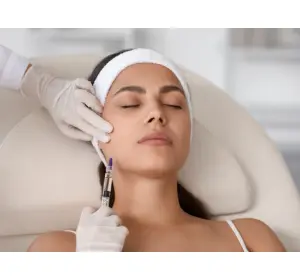
Sculptra and facelift surgery – hearsay versus facts
Videos recently featured on Instagram, from surgeons and aesthetic ‘influencers’, have been stirring up online conversations and rumours with claims that having Sculptra® treatment means you can’t hav...
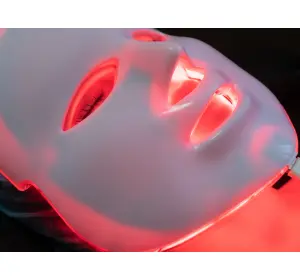
How LED masks blur the lines between cosmetic and medical claims
Social media is full of influencers showcasing the benefits of LED masks, but regulators are cracking down on unsubstantiated medical claims. Save Face explores the science and what aesthetic practiti...
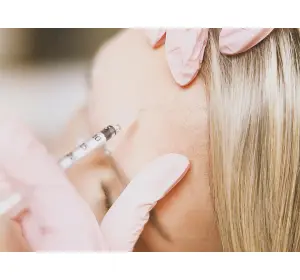
Botulinum toxin interactions: What could be impacting safety and efficacy for your patients?
Recently published clinical studies have highlighted existing health conditions, hypersensitivity reactions, toxin resistance and antibody formation, and interactions with weight loss medication as re...
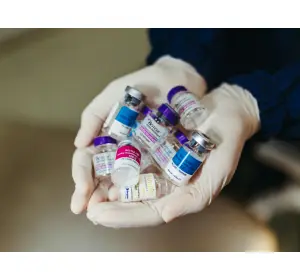
Save Face supports government crackdown on policing illegal ‘Botox’
Suppliers of unlicensed botulinum toxins face a prison sentence Save Face has long highlighted public safeguarding from fake ‘Botox’-like injectables and unlicensed botulinum toxin brands, which canno...
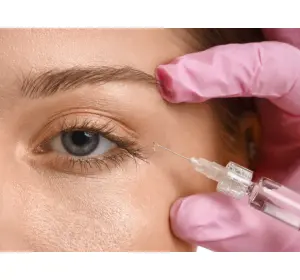
Ocular complications following medical aesthetic treatments are rare, but are you prepared?
A published literature review has highlighted the need for increased awareness of ocular risks in aesthetic practice; collaboration between aesthetic practitioners and ophthalmologists is helping to i...

Why the use of exosomes in medical aesthetics is controversial
Save Face takes a deep dive into the science versus the marketing behind exosomes. If you have visited any aesthetic sector conferences and trade exhibitions this year, you will have witnessed the gro...