

Tretinoin is one of the best studied topical retinoids for acne and photo ageing. But once you are prescribed it, you will often face a practical question: should you use tretinoin gel or tretinoin cream?
Both contain the same active ingredient, but they behave differently on the skin. Understanding the difference between tretinoin gel and cream helps you and your prescribing practitioner choose the safest and most effective option, and reduces the risk of irritation or complications – especially if you also have aesthetic treatments.
This guide explains:
- The key differences between tretinoin gel and cream
- Which suits oily vs dry or mature skin
- Side effects and things to avoid
- How tretinoin interacts with peels, microneedling and laser
- Common FAQs about tretinoin gel vs cream
What Is Tretinoin?
Tretinoin (all trans retinoic acid) is a prescription only retinoid used to treat:
- Acne (comedones and inflammatory spots)
- Photo ageing (fine lines, texture, uneven tone) – usually off label in the UK
It works by:
- Increasing skin cell turnover
- Preventing clogged pores
- Reducing inflammation
- Stimulating collagen over time
Different brands and strengths exist, but the active molecule is the same. What changes is the vehicle – gel vs cream – and that can make a big difference.
Key Differences Between Tretinoin Gel And Tretinoin Cream
1. Base and skin feel
Tretinoin gel
- Alcohol or water based, lighter, less greasy
- Absorbs quickly, leaves a dry or matte finish
- Often feels more “astringent” or drying
Tretinoin cream
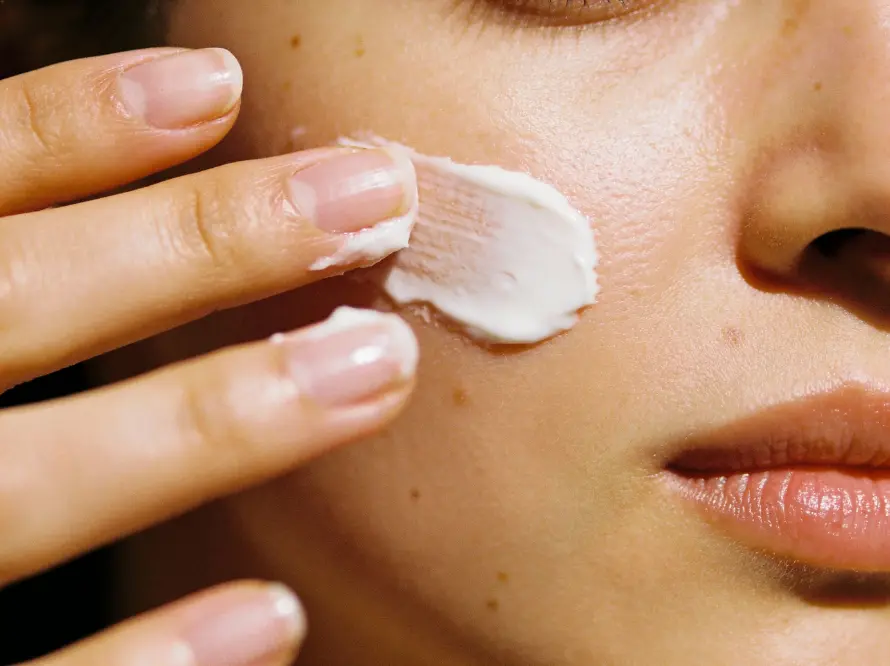
- Emulsion (oil in water), thicker and more moisturising
- Takes longer to absorb
- Feels more emollient and cushioning on the skin
This base difference has a major impact on tolerability and where you use each formulation.
2. Irritation and dryness
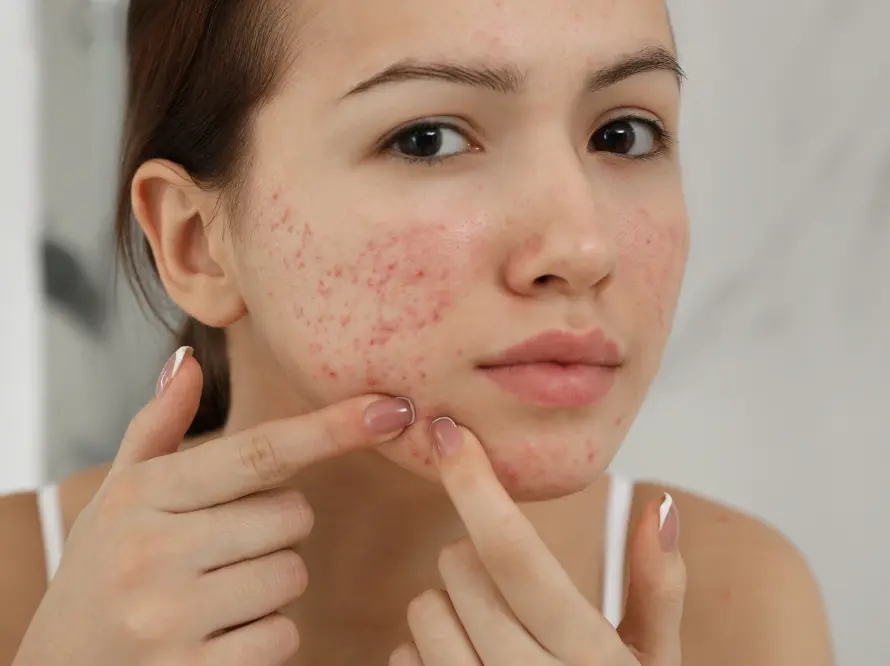
Both gel and cream can cause the classic “retinoid reaction”:
- Redness
- Flaking and peeling
- Tightness
- Burning or stinging, especially in the first 4–8 weeks
In practice:
- Gels are usually more drying and irritating because they penetrate quickly and often contain alcohol.
- Creams are often better tolerated, especially on dry, mature or already sensitised skin.
Many prescribers:
- Choose gel for oilier, acne prone areas (T zone, back, chest).
- Choose cream for normal, dry or mature skin, particularly when targeting fine lines and texture.
3. Skin type and main goal (acne vs ageing)
Tretinoin gel may be preferred if:
- Your skin is oily or very acne prone
- You are treating areas with more sebum (forehead, nose, back, chest)
- You do not have a history of eczema, rosacea or very sensitive skin
Tretinoin cream may be preferred if:
- Your skin is normal, dry or combination
- Your main goal is softening fine lines and sun damage
- You are older, or your skin barrier has already been stressed by other products or procedures
If you are also considering prescription retinoids more broadly, you may find our guide on Adapalene vs Tretinoin helpful.
4. Absorption and perceived “strength”
It is easy to assume gel is “stronger” because it can feel harsher on the skin, but strength is not just about the percentage on the tube. It is also about:
- How quickly the vehicle delivers tretinoin into the skin
- How long it stays on the surface
- How it spreads
Generally:
- Gels tend to deliver tretinoin more rapidly, which can feel more intense.
- Creams may provide a slightly more gradual release and buffer some irritation.
A lower strength gel can sometimes feel more irritating than a slightly higher strength cream on sensitive areas.
5. Where to use tretinoin gel vs cream
On the face:
- Creams are often kinder on cheeks and around the mouth.
- Gels are sometimes used very selectively on oily or comedonal zones.
On the body:
- Gels are often preferred for back or chest acne because they spread easily and do not feel greasy.
Wherever you use tretinoin gel or cream, do not apply:
- Right up to the eyelids and lash lines
- Into the corners of the nose
- Into the corners of the mouth
unless your prescriber has specifically advised and is monitoring you.
Side Effects: Same Active, Same Core Risks
Whether you use gel or cream, tretinoin can cause:
- Dryness, peeling and flaking
- Redness and irritation
- Increased sensitivity to the sun
- Temporary acne “purging” in some cases
Less common but important:
- Eczema like inflammation or contact dermatitis
- Broken skin or crusting if overused
- Post inflammatory hyperpigmentation, particularly in darker skin tones if irritation is not controlled
Choosing cream over gel does not remove these risks – it may simply reduce their intensity if it suits your skin better.
Sun Protection: Non Negotiable With Tretinoin
With both tretinoin gel and tretinoin cream you must:
- Use a broad spectrum SPF 30–50 every day
- Reapply if you are outdoors for long periods
- Avoid sunbeds completely
UV exposure on tretinoin treated skin increases your risk of burning, pigment changes and long term sun damage.
Things To Avoid With Tretinoin (Gel Or Cream)
To reduce the risk of complications, avoid:
-
Harsh scrubs and cleansing brushes
They damage the skin barrier and worsen irritation. -
Daily use of strong acids
Glycolic, lactic and salicylic acid toners or peels on top of tretinoin can easily tip you into over exfoliation and pigmentation problems. -
DIY chemical peels and home microneedling devices
Combining these with prescription tretinoin is a common cause of burns, scarring and dark marks. -
Waxing or depilatory creams on treated areas
These can tear or burn sensitised skin. -
Fragranced, foaming cleansers
Perfume and harsh surfactants strip the skin and provoke eczema like reactions when combined with tretinoin.
If you need in‑clinic procedures such as peels or microneedling, they should always be planned by a medically qualified practitioner who knows you are using tretinoin.
Tretinoin And Aesthetic Treatments
If you are on tretinoin (gel or cream) and considering:
- Chemical peels
- Microneedling or skin needling
- Laser or IPL
- Other resurfacing or exfoliating treatments
you must tell your practitioner and prescriber.
Safer practice usually includes:
- Stopping tretinoin for an appropriate period before and after procedures
- Adjusting strength or frequency
- Simplifying your skincare during treatment cycles
At Save Face we regularly see burns and pigmentation problems where tretinoin use was not disclosed, or where non medical providers did not ask.
For more detail on combining retinoids and aesthetic procedures, see our article Adapalene vs Tretinoin: Which Is Better For Acne And Ageing Skin?.
How To Introduce Tretinoin Gel Or Cream Safely
Whichever formula you use:
-
Start low and slow
- Begin with a lower strength (for example 0.025–0.05 per cent)
- Use 2–3 nights a week at first, not nightly
-
Use a pea sized amount
- More product does not mean better results, it just raises irritation
-
Moisturise generously
- Use a bland, fragrance free moisturiser
- Some people benefit from the “sandwich” method (moisturiser, then tretinoin, then moisturiser again)
-
Monitor your skin
- Mild dryness and peeling are expected
- Stop and contact your prescriber if you see severe redness, burning or new dark patches
-
Follow medical advice
- Do not change strength or switch from cream to gel (or vice versa) without guidance
- Never buy extra tubes from unofficial sources or use someone else’s prescription
Tretinoin Gel vs Cream: Which Should You Use?
In summary:
-
Tretinoin gel
- Often better for oilier, acne prone skin and body acne
- More likely to feel drying and irritating
-
Tretinoin cream
- Often better for normal, dry or mature skin
- Commonly chosen for photo ageing concerns
- Usually more comfortable for long term use
The best choice depends on your skin type, medical history, treatment goals and any other procedures you are having. It should always be made with a qualified prescriber after a proper consultation.
How Save Face Can Help
Tretinoin gel and cream can be highly effective for acne and sun damage – but they are powerful prescription medicines and easy to misuse, especially when combined with aesthetic treatments.
Safe use requires:
- Appropriate prescribing
- Clear instructions and support
- Thoughtful product choices (gel vs cream, strength, frequency)
- Careful coordination with any in‑clinic procedures
Save Face accredits medically qualified practitioners who meet robust standards for prescribing, skincare and non surgical cosmetic treatments. Our assessment covers:
- Professional registration and qualifications
- Treatment planning and consent
- Product sourcing and storage
- Complication recognition, management and referral pathways
If you are thinking about tretinoin, or are already using it alongside peels, microneedling or injectables, start by choosing a practitioner who understands how to use these treatments together safely.
Use the Save Face register to find an accredited medical practitioner near you:
https://www.saveface.co.uk/en/find-a-practitioner
FAQs: Tretinoin Gel vs Cream
Is tretinoin gel stronger than cream?
Not necessarily. Both can be prescribed in different strengths. Gels often feel stronger because they are more drying and penetrate faster, but a cream at a higher percentage can be just as potent. Strength is a combination of formulation, concentration and how your skin responds.
Which is better for acne: tretinoin gel or cream?
For oily or very acne prone skin, gel is often chosen. For drier or more sensitive skin, or when treating both acne and ageing, cream may be preferable. Effectiveness is similar when used correctly; tolerance usually guides the choice.
Which is better for wrinkles: tretinoin gel or cream?
Tretinoin cream is commonly used for photo ageing because it is often better tolerated on dry, mature skin. Long term use, adherence and sun protection matter more than the specific vehicle.
Categories
Related news articles