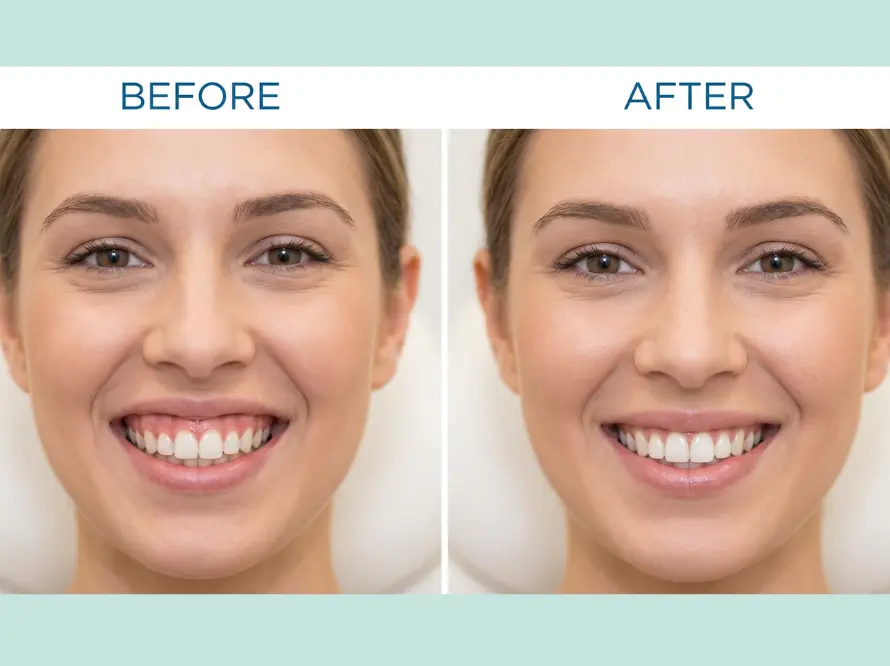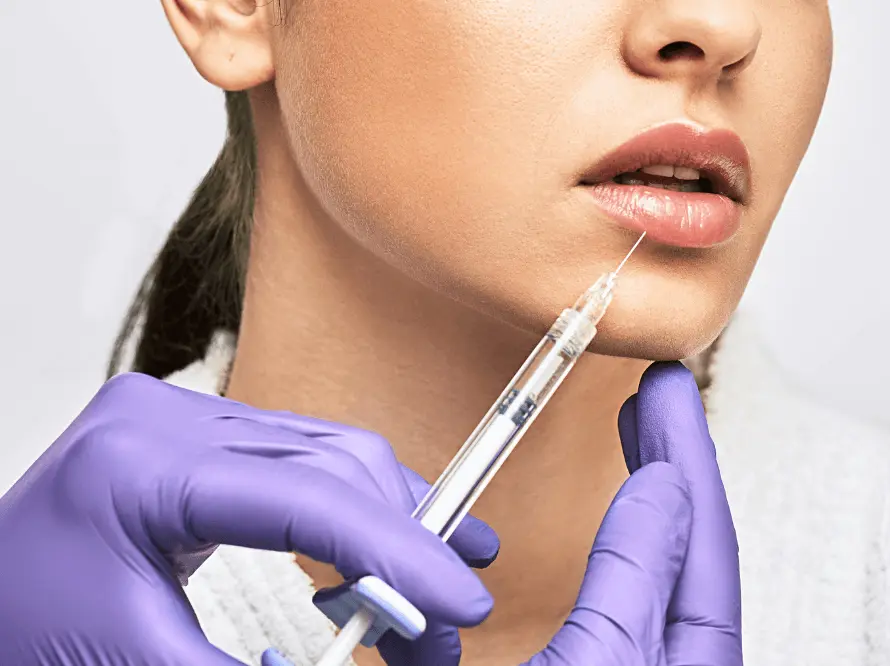


The demand for non surgical cosmetic procedures, especially Botox and other botulinum toxin injections, has never been higher. Alongside this rise, we are seeing more and more adverts for “cheap Botox” and heavily discounted anti wrinkle injections.
At first glance, low prices may seem like good news for consumers. In reality, “cheap Botox” is often a red flag for corners being cut on safety, training, products and aftercare. Quality Botox treatments are expensive for very good reasons. When you understand what goes into safe, effective treatment, you are far less likely to be tempted by unsafe offers.
Below we explain what you are really paying for when you choose a reputable Botox provider, and why cheap Botox can carry hidden risks.
1. Botox Research and Product Quality
Genuine, licensed botulinum toxin brands used for cosmetic treatment have been developed through years of research, clinical trials and ongoing safety monitoring. Manufacturers invest hundreds of thousands of pounds in:
- Proving safety and effectiveness
- Meeting strict regulatory requirements
- Ongoing research and development
That level of investment is reflected in the price. If someone is offering very cheap Botox, you must question whether they are using a genuine UK licensed product or a cheaper, unlicensed or counterfeit alternative that has been illegally sourced online or imported from overseas. Using these products dramatically increases the risk of complications. There is no reliable way of knowing exactly what is in them, so practitioners are effectively playing a lottery with your health and appearance. Managing complications can be extremely difficult when the contents are unknown; if you experience an unusual side effect, there may be no established, evidence based protocol to follow.
2. Botox Is a Prescription Only Medicine
One of the most important facts often missing from “cheap Botox” adverts is that Botox is not a beauty product. It is a prescription only medicine (POM) containing botulinum toxin, a powerful neurotoxin.
In the UK this has very clear legal implications:
-
A prescriber must assess you face to face
Botox can only be prescribed after an in person consultation with an appropriately qualified prescriber: a doctor, dentist, independent nurse prescriber or prescribing pharmacist. Remote prescribing for Botox (by phone, video or online forms only) is not acceptable for cosmetic use. -
The prescriber is responsible for your dose and suitability
It is not for the patient to “order” a number of units. The prescriber must take a medical history, assess your anatomy and decide whether treatment is appropriate, what product to use and at what dose. They should refuse treatment if it is unsafe or unjustified. -
Botox should only be supplied through legitimate channels
Genuine UK licensed brands must be obtained from regulated pharmacies or suppliers against a valid prescription in your name. Products bought from online marketplaces, social media, wholesalers or shipped in from overseas are very likely to be unlicensed or counterfeit. -
Parties and pop ups are not appropriate settings
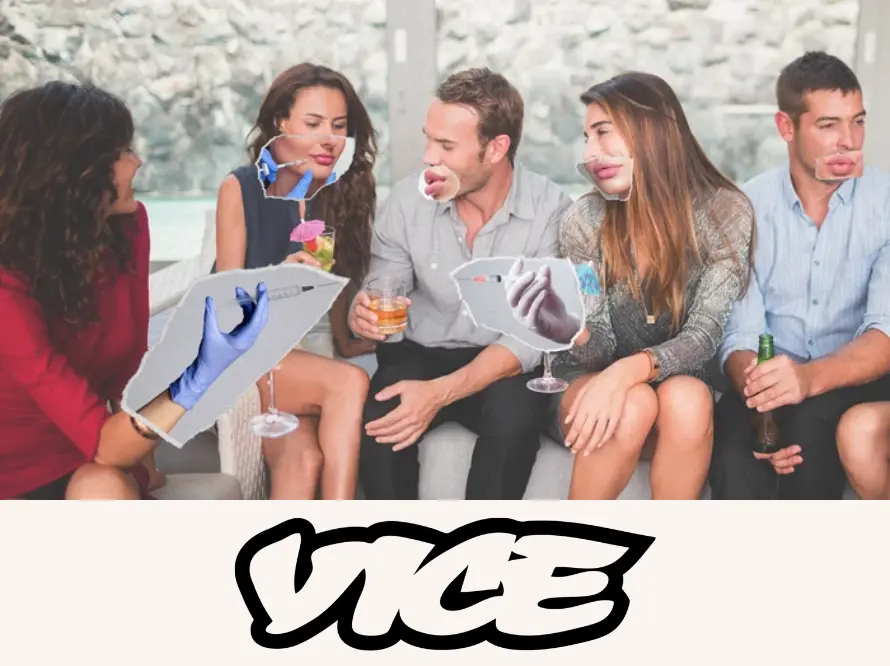
Because Botox is a prescription medicine, it should not be injected at parties, in hotel rooms, in people’s homes or on shop floors. A proper clinical environment is required to meet legal, safety and hygiene standards.
When practitioners ignore these rules in order to offer cheap Botox, they are not just cutting costs – they are breaking the basic safeguards that exist to protect patients. If you are not seen by a named prescriber in person, are not told exactly which licensed product is being used, or are being treated in an informal setting, those are strong warning signs to walk away.
3. Practitioner Training and Expertise
Botox is a medical procedure. Responsible practitioners invest heavily in:
- Initial training in facial anatomy, injection technique and complication management
- Ongoing education, conferences and workshops
- Updates on new products, guidance and safety alerts
Training and continuing professional development come at a cost. Practitioners advertising the lowest prices are unlikely to be investing at this level, which can directly affect your safety and your results.
4. Safe Clinical Environment and Overheads
Providing Botox in a safe, compliant environment is expensive. A legitimate clinic must:
- Meet health and safety and infection control standards
- Store prescription medicines securely and at the correct temperature
- Protect patient confidentiality with secure record keeping and data protection
- Implement and maintain written policies and procedures
All of this carries overheads. If a practitioner is offering Botox at very low prices from a party, hotel room, shop floor or private home, it is unlikely these standards are being met.
5. Proper Consultation and Assessment
A good Botox provider will not simply “inject and go.” They will:
- Take a full medical history and assess your suitability
- Discuss your concerns and treatment goals
- Explain risks, side effects, alternatives and realistic outcomes
- Give you time to make an informed decision
This consultation time is built into the Botox cost. Very cheap or rushed treatments often skip essential safety steps in order to maximise volume and profit.
6. Quality of Care and Aftercare
Safe Botox treatment includes proper aftercare, not just the injection itself. A reputable practitioner will:
- Provide written aftercare advice
- Offer a follow up appointment, especially for first time Botox patients
- Review your results and adjust future treatment plans where appropriate
- Be available if complications or concerns arise
Cheap Botox providers frequently cut back on aftercare, making it difficult to get help if something goes wrong.
7. Insurance and Professional Protection
All good non surgical cosmetic practitioners should hold appropriate medical malpractice insurance. This covers:
- Public liability
- Professional indemnity
- Claims of clinical negligence and medical malpractice
Insurance premiums are another necessary cost of safe practice. Uninsured practitioners may be able to offer cheaper treatment simply because they are not protected – and neither are you if something goes wrong.
8. Registration and Professional Regulation
Clinicians who offer Botox and other prescription treatments should be:
- Registered with a statutory body such as the NMC, GMC, GDC or GPhC
- Compliant with ongoing revalidation requirements
- Often members of professional associations for aesthetics
Registration, revalidation and membership fees are part of running a legitimate practice. Practitioners who avoid these costs can charge less, but you lose the protection and accountability that regulation provides.
Is Cheap Botox Worth the Risk?
To offer very cheap Botox, a practitioner has to reduce their costs somewhere. That usually means:
- Cheaper, potentially unlicensed or counterfeit products
- Lower investment in training and ongoing education
- Inadequate clinical environment or infection control
- Little or no aftercare
- No or inadequate insurance
At Save Face, we strongly believe profit must never come before patient safety. Non-surgical cosmetic procedures carry real risks. When Botox is supplied or injected by unqualified, unregulated or poorly trained individuals, the chances of side effects and serious complications increase dramatically.
How to Choose Safe Botox Treatment
Botulinum toxin injections should never be administered at:
- Parties or “Botox parties”
- Hotel rooms or rented apartments
- Shops, salons or homes without clinical standards
Instead, patients should look for:
- A medically qualified, established practitioner with a visible track record
- A physical clinic address
- Clear information on qualifications, registrations and insurance
- Genuine licensed products and full treatment records
You are paying for safety, expertise and accountability – not just for “cheap Botox.”
Save Face: Helping You Find a Trusted Practitioner
At Save Face, our aim is to remove the guesswork from choosing a Botox or non surgical cosmetic provider. We:
- Independently assess each practitioner and clinic
- Check qualifications, training, insurance and clinical standards
- Review product sourcing, ensuring all of our members only use licenced products that have been sourced from reputable pharmacies
- Ensure that robust consent processes, record keeping and aftercare protocols are in place
- Monitor and verify patient feedback to ensure ongoing compliance
Every practitioner listed on the Save Face register has been inspected against a stringent set of standards by a Save Face Clinical Assessor.
The Bottom Line: Do Not Be Swayed by Cheap Botox
Quality Botox treatment will never be the cheapest option, and nor should it be. When powerful prescription medicines are involved, safety and standards must come first.
- Do not choose Botox on price alone
- Expect and demand a safe environment, proper consultation and aftercare
- Be prepared to pay appropriately for care that protects your health
Use the Save Face register today to find an accredited Botox practitioner you can trust.
Categories
Related news articles